英语
英语 西班牙语
西班牙语 简体中文
简体中文Industry News
Home / News / Industry News / How Does a Horizontal Packing Machine Improve Production Line Efficiency?
Content
A horizontal packing machine is an automated piece of equipment used to wrap, seal, and package products that move along a horizontal plane during the packaging process, as opposed to vertical form-fill-seal systems where product flows downward. This type of machine is widely used for items such as biscuits, bars, soap, hardware components, and other solid or semi-solid products that require a flat, pillow-style, or flow-wrap package. The horizontal orientation makes it especially suitable for products that are rigid, irregularly shaped, or sensitive to crushing, since gravity does not play a primary role in moving the product through the sealing process.
These machines typically feed products onto a moving conveyor, wrap them in film, and then seal the ends using heat, ultrasonic energy, or mechanical pressure, producing a finished package ready for labeling, cartoning, or palletizing. Because the process runs continuously along a horizontal axis, these systems are often referred to as flow wrappers or horizontal flow-wrap machines in industrial settings.
The core operation of a horizontal packing machine can be broken down into a series of coordinated steps. Products are first placed onto an infeed conveyor, either manually or through an automated loading system connected to an upstream production line. A film reel unwinds continuously and forms a tube or wrap around the moving product using a set of forming shoulders or plows. Longitudinal sealing jaws then close the film along the bottom or side of the package, followed by cross-sealing jaws that cut and seal each individual package at set intervals.
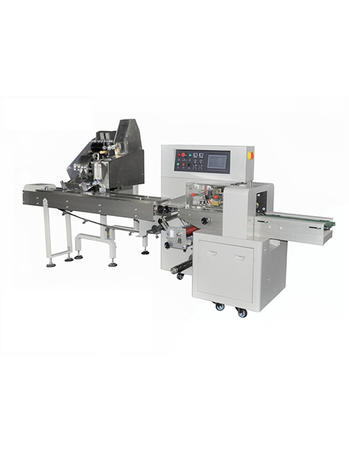
Modern machines rely on servo-driven motors and programmable logic controllers to synchronize product feeding, film movement, and sealing timing with high precision. This level of automation allows manufacturers to run at speeds ranging from a few dozen packages per minute to several hundred, depending on the machine's design and the complexity of the product being packaged.
Manufacturers across food, industrial, and consumer goods sectors adopt horizontal packing machines for several practical reasons:
These advantages make horizontal packing machines a practical investment for companies aiming to scale production while maintaining consistent packaging standards.
Different industries require different configurations depending on product characteristics and output requirements. The table below outlines the most common types and their typical applications.
Machine TypeKey FeatureTypical ProductsPillow Pack Flow WrapperSimple pillow-shaped sealSnack bars, soap, candyServo-Driven Flow WrapperHigh-precision, adjustable sealing timingBakery items, frozen foodsMulti-Lane Horizontal PackerSimultaneous packaging of multiple product linesSmall hardware, single-serve packetsOverwrapping MachineWraps pre-boxed products in filmCartons, boxed goods, cases
Selecting the right type depends on the physical characteristics of the product, required output speed, and the level of automation already present on the production floor.
Before selecting a horizontal packing machine, manufacturers should evaluate the size, weight, shape, and fragility of the products being packaged. Machines designed for rigid items may not handle soft or uneven products well, and vice versa, so testing with actual product samples during the equipment selection process is strongly recommended.
Production speed needs vary widely across industries. A small-batch specialty food producer may only require a machine capable of packaging a few dozen units per minute, while a large-scale snack manufacturer may need equipment that exceeds several hundred packages per minute. Matching machine speed to actual production demand prevents both bottlenecks and unnecessary equipment costs.
The type of film used affects both product protection and sustainability goals. Many manufacturers are now shifting toward recyclable or compostable films, which requires confirming that the chosen packing machine can handle these alternative materials without compromising seal integrity or line speed.
Routine maintenance plays a significant role in keeping a horizontal packing machine running efficiently over its operational lifespan. Sealing jaws should be inspected regularly for wear, as worn jaws can lead to inconsistent seals and increased product waste. Conveyor belts, film unwind rollers, and sensors also require periodic cleaning to prevent buildup of dust or product residue, which can interfere with accurate product detection and film tracking.
Scheduling preventive maintenance checks, rather than waiting for a breakdown, helps manufacturers avoid unplanned downtime and costly production delays, particularly in high-speed operations where even a short stoppage can result in significant output loss.
For manufacturers upgrading from manual or semi-automated packaging processes, integration planning is essential. This includes evaluating available floor space, aligning conveyor speeds with upstream and downstream equipment, and ensuring that control systems can communicate with existing plant automation software. Working closely with the equipment supplier during installation and staff training helps minimize disruption and ensures operators can quickly adapt to the new system, leading to a smoother transition and faster return on investment.


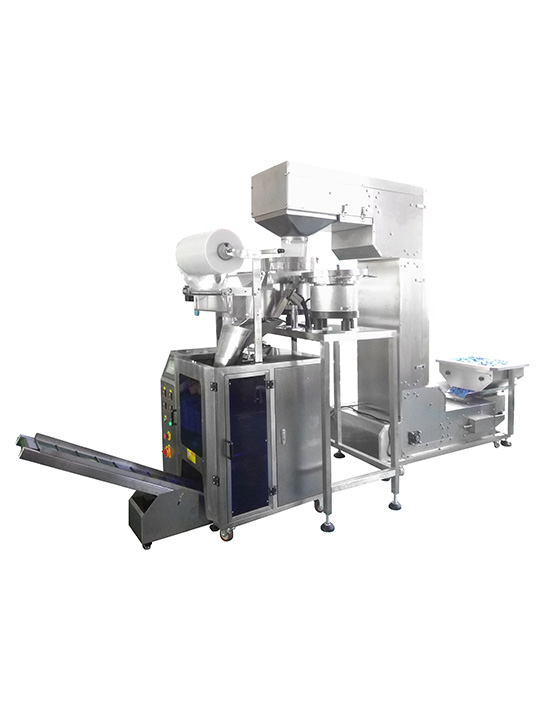
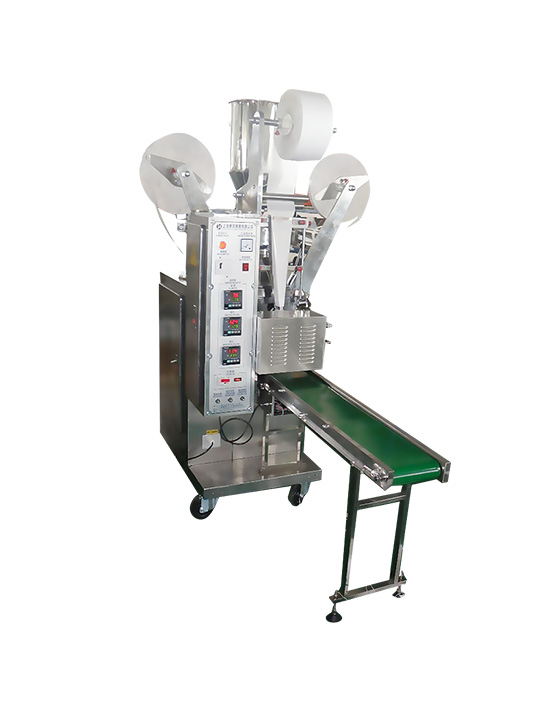
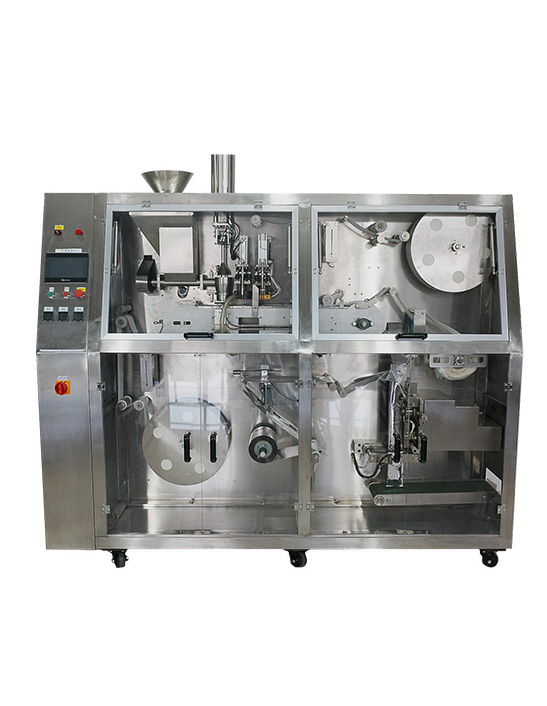
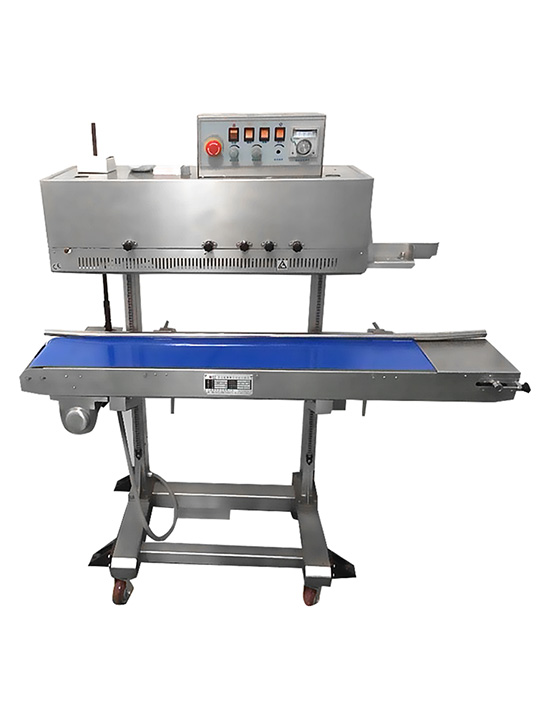
Copyright © Soontrue Huihe Automation Equipment (Shanghai) Co.,LtdAll Rights Reserved. Custom Packaging Machinery Manufacturers