英语
英语 西班牙语
西班牙语 简体中文
简体中文Industry News
Home / News / Industry News / What Are the 4 Types of Industrial Packaging Machines and How Do You Choose the Right One?
Content
In today's competitive manufacturing landscape, packaging is far more than a finishing step — it is a critical part of the production process that directly affects speed, cost, product integrity, and customer satisfaction. Industrial packaging machines automate tasks that would otherwise require intensive manual labor, reducing human error and dramatically increasing throughput. Whether you're packaging food, pharmaceuticals, chemicals, or consumer goods, selecting the right type of packaging machine for your operation can determine how efficiently you scale and how consistently you meet quality standards. Understanding the four primary categories of industrial packaging machines is the first step toward making that decision wisely.
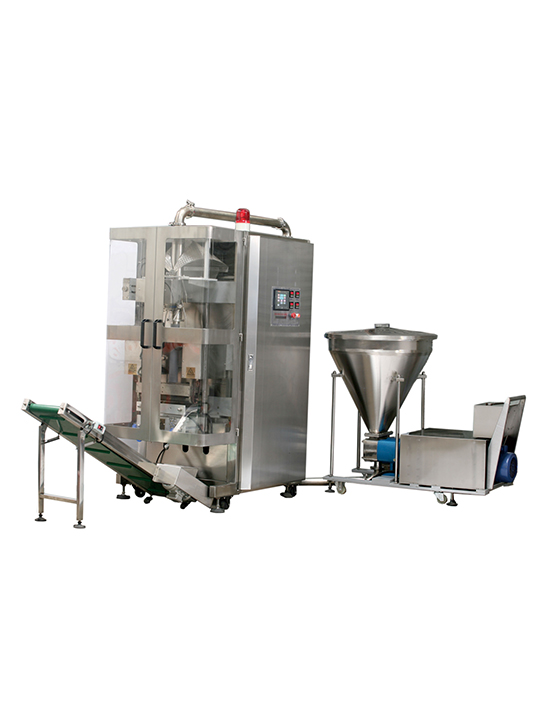
Filling machines are designed to dispense a precise quantity of product into a container, whether that container is a bottle, jar, bag, pouch, or carton. They are among the most widely used industrial packaging machines across industries including food and beverage, cosmetics, pharmaceuticals, and chemicals. The accuracy and speed of a filling machine can have a significant impact on both product consistency and profitability, especially in high-volume operations where even small measurement deviations accumulate into significant material waste.
Filling machines are typically categorized by the type of product they handle:
When evaluating filling machines, key factors include fill accuracy tolerance, speed (measured in units per minute), ease of changeover between product types, and compatibility with the container formats used in your facility. Hygienic design standards are especially important for food and pharmaceutical applications, where filling equipment must meet strict regulatory requirements for cleanability and materials of construction.
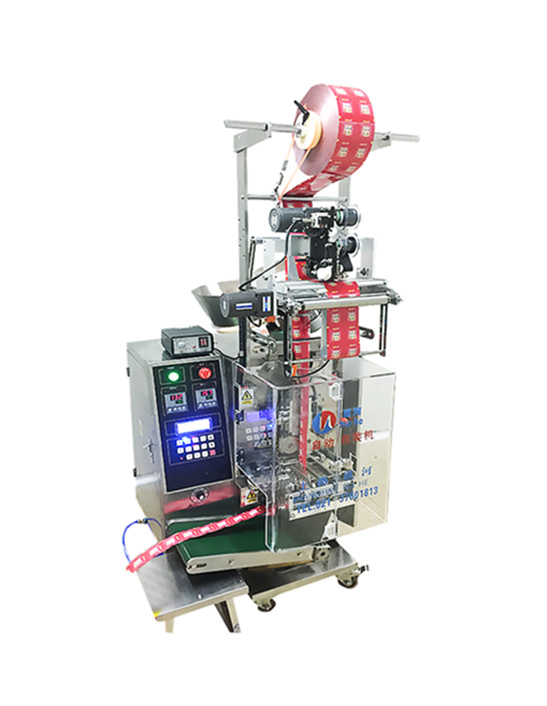
Once a product is filled into its container, it must be securely closed to protect contents during storage and transportation and to ensure tamper evidence where required. Sealing machines accomplish this through a variety of methods depending on the packaging material and the level of hermetic closure required. Improper sealing leads to product spoilage, leakage, contamination, and customer complaints — making sealing equipment a critical link in the packaging chain.
Common types of sealing machines include:
Sealing machine selection depends on the container type, packaging material, seal integrity requirements, and production speed. In regulated industries, seal strength testing and integrity verification are often mandatory quality control steps performed alongside the sealing process.
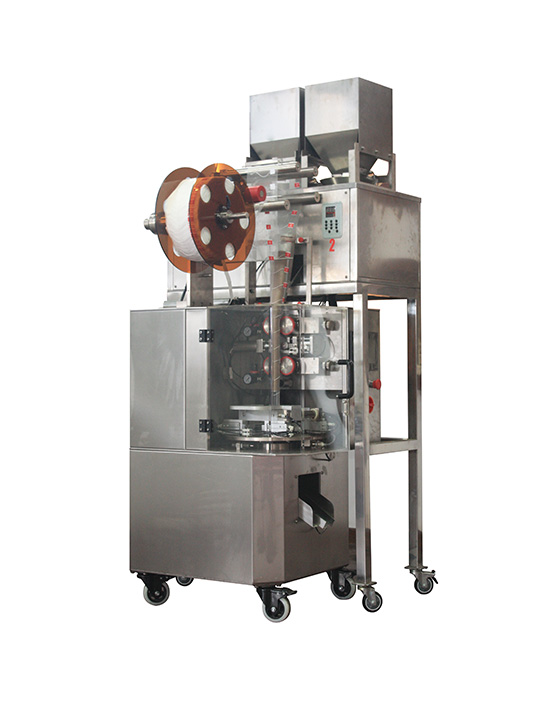
Wrapping machines enclose products or groups of products in a film, paper, or other flexible material. Unlike filling and sealing machines, wrapping machines are often used to bundle products for secondary or tertiary packaging — grouping individual items together for retail display or protecting palletized loads for warehouse storage and shipping. They offer both protective and presentational value, which makes them common across retail, logistics, and e-commerce fulfillment operations.
Stretch wrappers apply layers of stretchable plastic film around palletized goods to stabilize loads for transport. Turntable stretch wrappers rotate the pallet while dispensing film, while rotary arm wrappers keep the pallet stationary and rotate the film arm — better suited for unstable or very heavy loads. Horizontal stretch wrappers handle long products like pipes, lumber, or profiles.
Shrink wrappers apply a loose film around a product or bundle and then pass it through a heat tunnel, which causes the film to contract tightly around the contents. This method is widely used in beverage multipacks, boxed goods, and retail product bundling. The result is a tight, tamper-evident package with high visual clarity when using transparent films.
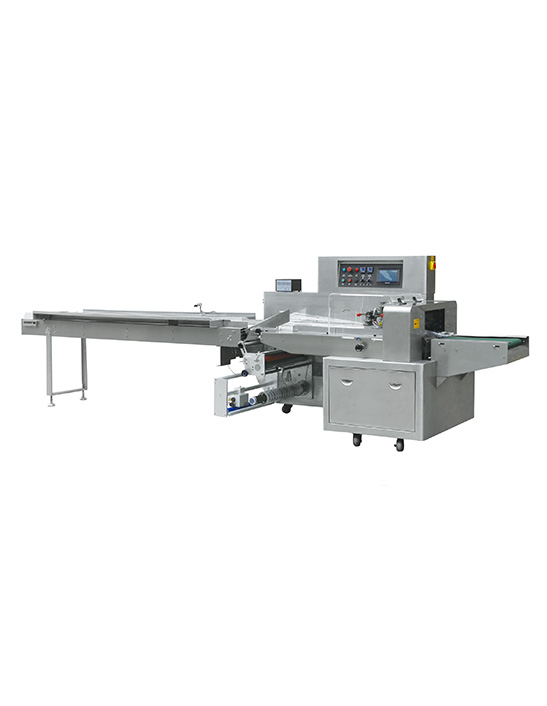
Also known as horizontal form-fill-seal (HFFS) machines, flow wrappers enclose individual products in a continuous tube of film that is then cut and sealed at both ends. They are commonly used for confectionery, baked goods, hardware items, and other uniform-shaped products that require individual wrapping at high speeds.
Labeling machines apply pre-printed or printed-on-demand labels to containers, packages, or pallets with precision and speed. Accurate labeling is not just a branding requirement — it is a legal obligation in most industries. Product labels must display ingredients, weight, origin, safety warnings, barcodes, expiration dates, and in some sectors, serialization codes for traceability. Manual labeling at scale is slow, inconsistent, and prone to placement errors that can result in regulatory non-compliance or costly recalls.
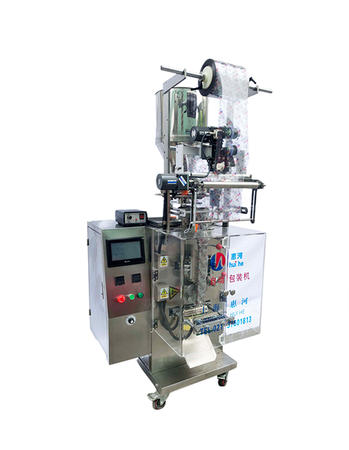
Industrial labeling machines vary significantly based on the container shape and labeling requirements:
Integration with vision systems for label placement verification is increasingly common in high-compliance industries, ensuring every labeled unit meets specification before it leaves the line.
| Machine Type | Primary Function | Common Industries | Key Consideration |
| Filling | Dispense product into containers | Food, pharma, chemicals | Fill accuracy and product viscosity |
| Sealing | Close and secure containers | Beverage, medical, food | Seal integrity and tamper evidence |
| Wrapping | Enclose products in film or material | Retail, logistics, e-commerce | Product shape and bundling needs |
| Labeling | Apply labels with product information | All regulated industries | Label placement accuracy and compliance |
No single machine type suits every operation, and many production lines integrate two or more categories into a fully automated packaging line. Before investing, consider the following factors carefully:
Working with an experienced packaging machine supplier who can audit your line and recommend the right configuration is often more valuable than purchasing equipment based on specifications alone. A well-matched machine improves not just throughput but also uptime, maintenance costs, and operator satisfaction — all of which contribute to the total return on investment over the machine's lifespan.

Copyright © Soontrue Huihe Automation Equipment (Shanghai) Co.,LtdAll Rights Reserved. Custom Packaging Machinery Manufacturers