英语
英语 西班牙语
西班牙语 简体中文
简体中文Industry News
Home / News / Industry News / What Is a Tea Bag Packing Machine and How Does It Work for Different Tea Types?
Content
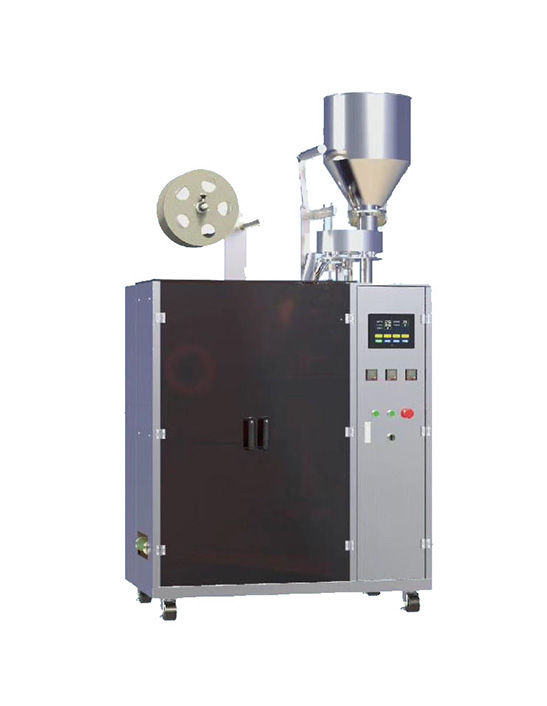
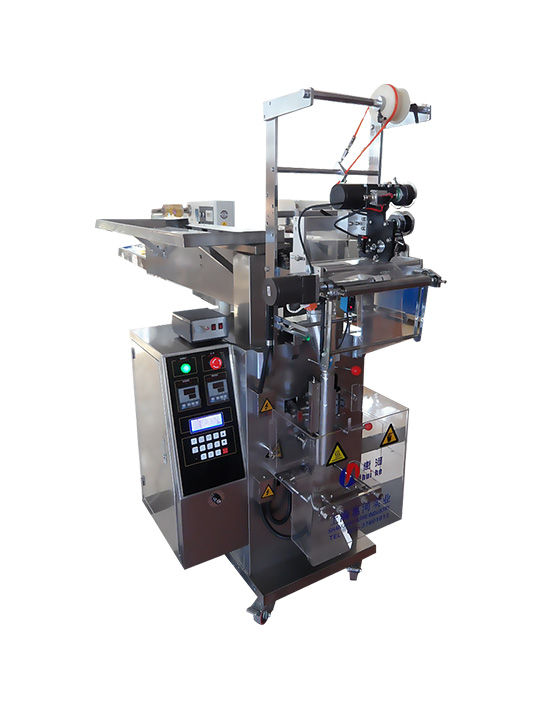
A tea bag packing machine is a specialized piece of packaging equipment designed to accurately dose, fill, form, seal, and package tea into individual bags. These machines are widely used by tea manufacturers, herbal product companies, and private-label brands to ensure consistency, hygiene, and production efficiency. Unlike general-purpose packaging systems, tea bag packing machines are engineered to handle delicate tea leaves, fine powders, and herbal blends without damaging their structure or aroma.
Modern tea bag packing machines can automatically complete multiple processes, including material feeding, weighing, bag forming, string and tag attaching, heat sealing, and outer envelope packing. Depending on the configuration, a single machine can produce thousands of tea bags per hour while maintaining tight control over weight accuracy and seal quality.
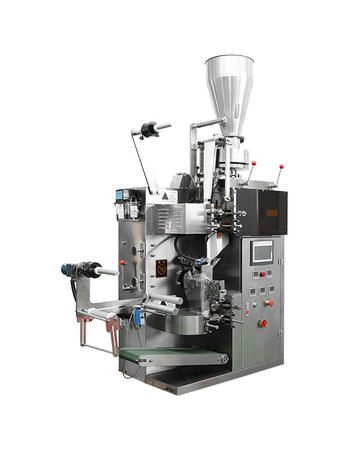
Although designs vary by manufacturer and automation level, most tea bag packing machines share several essential components. Each part plays a critical role in ensuring stable operation and consistent product quality.
The integration and precision of these components determine the machine’s speed, reliability, and compatibility with different tea types.
The working process of a tea bag packing machine follows a carefully synchronized sequence. Understanding this workflow helps manufacturers evaluate machine suitability for their specific tea products.
Tea is first loaded into a hopper or feeding system. Depending on the tea type, the machine may use volumetric cups, auger fillers, or multi-head weighers. Loose leaf teas require gentle handling to prevent breakage, while powdered teas demand dust-controlled and high-precision dosing.
Filter paper or mesh material is drawn from a roll and formed into the desired bag shape. The machine fills the pre-measured tea into the bag before sealing. Common formats include flat bags, pyramid bags, and round tea bags.
Sealing is typically achieved through heat or ultrasonic methods. Heat sealing is widely used for traditional filter paper, while ultrasonic sealing is preferred for nylon or PLA mesh pyramid bags. After sealing, the bag is cut to size with clean, consistent edges.
Many machines can automatically attach strings and printed tags. Advanced models also integrate outer envelope packaging, where each tea bag is sealed into an individual paper or foil sachet to protect freshness and aroma.
Tea varieties differ significantly in shape, density, and sensitivity. These differences directly affect how a tea bag packing machine must operate.
| Tea Type | Key Characteristics | Machine Considerations |
| Black Tea | Uniform granules, strong aroma | High-speed filling, standard filter paper |
| Green Tea | Delicate leaves, heat sensitive | Gentle feeding, precise temperature control |
| Herbal Tea | Mixed particle sizes | Flexible dosing system |
| Powdered Tea | Fine texture, dusty | Auger filling, dust prevention |
The bag format has a direct impact on infusion quality and consumer perception. Tea bag packing machines are often selected based on the bag style required for specific teas.
Machines designed for pyramid bags typically support ultrasonic sealing and mesh materials, while flat bag machines focus on speed and cost efficiency.
Tea bag packing machines range from semi-automatic to fully automatic systems. Semi-automatic machines require manual loading or secondary packaging, making them suitable for small batches or specialty teas. Fully automatic machines integrate all processes and are optimized for large-scale production.
Higher automation not only increases output but also improves hygiene standards and reduces labor costs. However, it requires a higher initial investment and more technical maintenance capabilities.
Consistency is essential in tea packaging, as variations in weight or seal integrity can affect brewing performance and brand reputation. Advanced tea bag packing machines use sensors and PLC control systems to monitor dosing accuracy, sealing temperature, and operating speed in real time.
For premium teas, machines may also support nitrogen flushing or oxygen-reduction features to preserve freshness during packaging.
When choosing a tea bag packing machine, manufacturers should evaluate more than just output speed. Matching machine capability to tea type and business goals is critical.
A well-chosen tea bag packing machine not only improves efficiency but also supports consistent product quality across different tea varieties.
A tea bag packing machine is far more than a simple packaging tool. Its design, filling method, sealing technology, and automation level must align with the physical and sensory properties of the tea being packaged. By understanding how different tea types influence machine operation, manufacturers can make informed decisions that enhance product quality, operational efficiency, and long-term competitiveness in the tea market.

Copyright © Soontrue Huihe Automation Equipment (Shanghai) Co.,LtdAll Rights Reserved. Custom Packaging Machinery Manufacturers