Industry News

Home / News / Industry News / ExpertInsights: The Ultimate FAQ Guide to Powder Packing Machines

ExpertInsights: The Ultimate FAQ Guide to Powder Packing Machines

13-Mar-2026

What Is a Powder Packing Machine and How Does It Work?

A powder packing machine is an automated or semi-automated piece of industrial equipment designed to measure, fill, and seal pre-determined quantities of powder into packaging formats such as sachets, pouches, bags, bottles, cans, or boxes. These machines are widely used across food processing, pharmaceutical manufacturing, chemical production, and cosmetics industries wherever a dry, free-flowing or semi-cohesive powdered substance needs to be packaged at speed with consistent accuracy.

The core working principle involves three sequential operations: volumetric or gravimetric dosing of the powder, transfer of the measured dose into the packaging container, and sealing of the package to prevent spillage or contamination. Depending on the machine type and configuration, these operations can be performed in a continuous motion — where packaging material is drawn from a reel and formed, filled, and sealed in one uninterrupted flow — or in an intermittent motion, where each station completes its task before the package advances to the next. Auger fillers, cup fillers, and net-weight scales are the three most common dosing mechanisms used within powder packing systems, and each is suited to different powder characteristics and accuracy requirements.

What Types of Powder Packing Machines Are Available?

The market offers several distinct machine types, each optimized for specific packaging formats, production volumes, and powder properties. Understanding these categories is the essential first step in specifying the right equipment for your line.
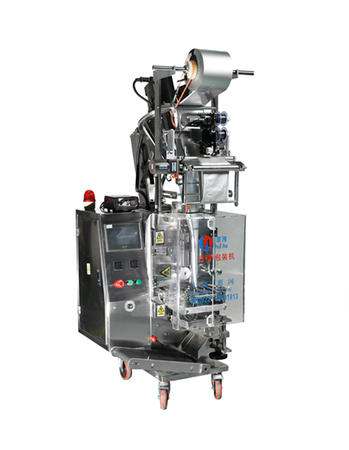
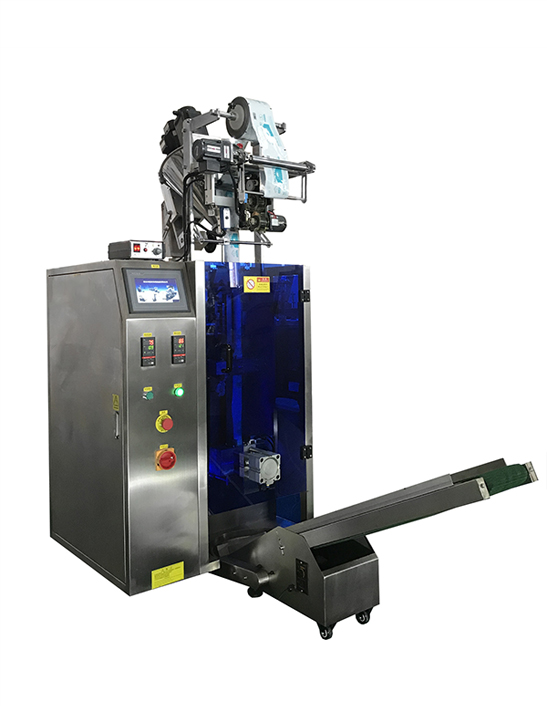
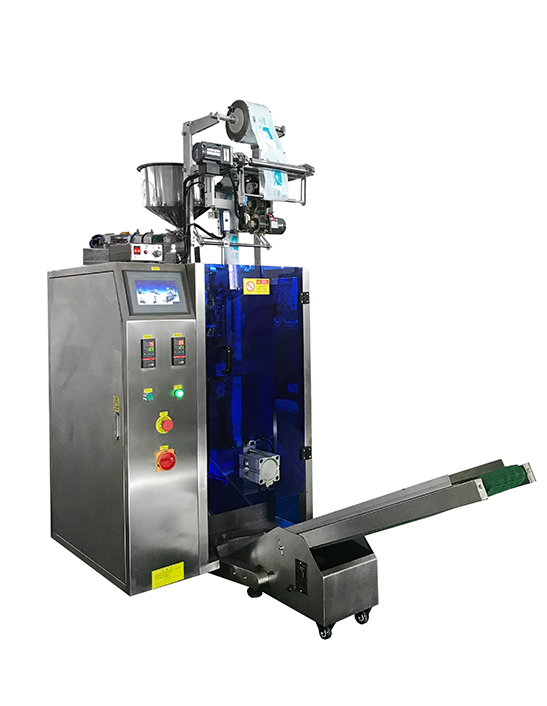
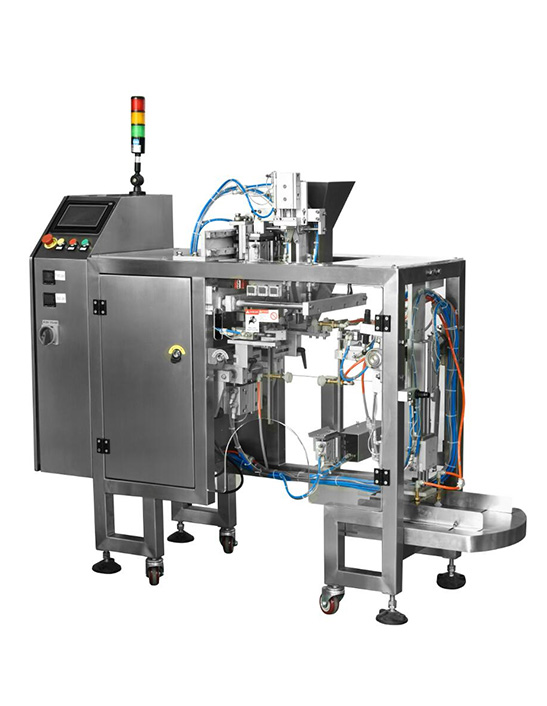
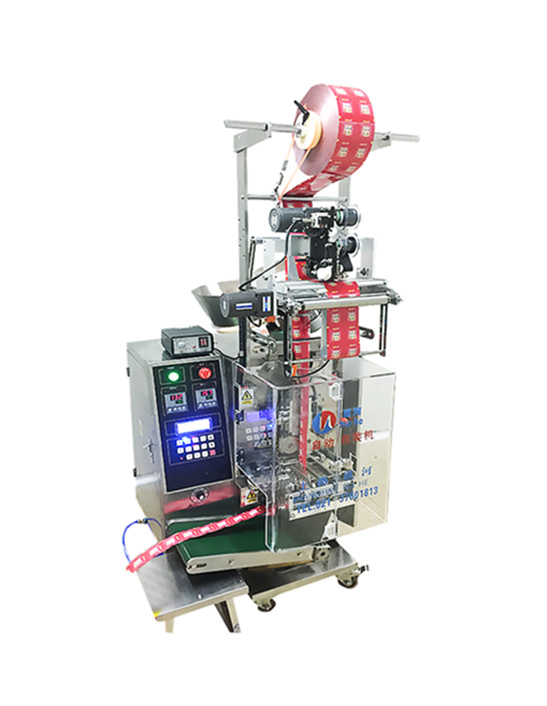
Automatic Powder Packing Machine with 3 or 4 Sides Seal

  • Vertical Form Fill Seal (VFFS) machines: The most widely used format in the industry. A continuous film reel is formed around a vertical tube, filled from above with measured powder, and sealed horizontally to create individual pouches or pillow bags. VFFS machines are highly versatile and can run at speeds from 20 to over 200 bags per minute depending on configuration.
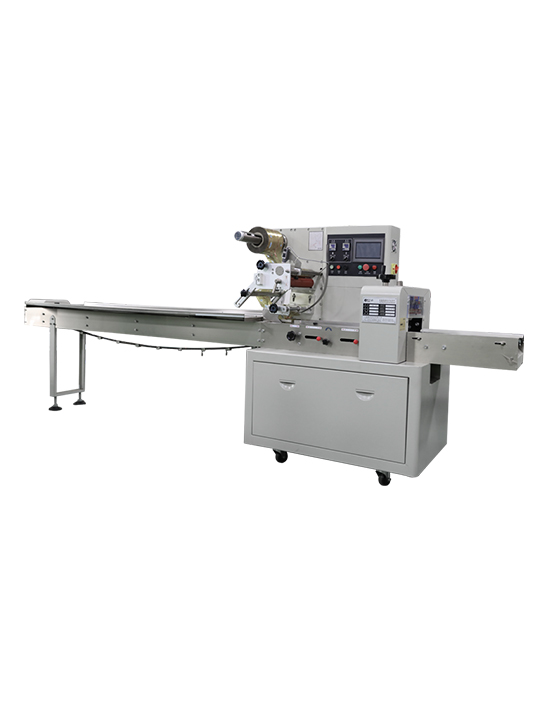
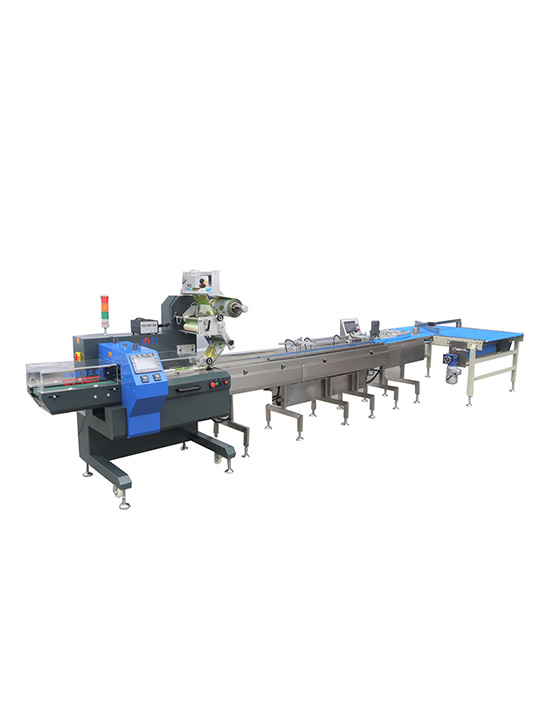
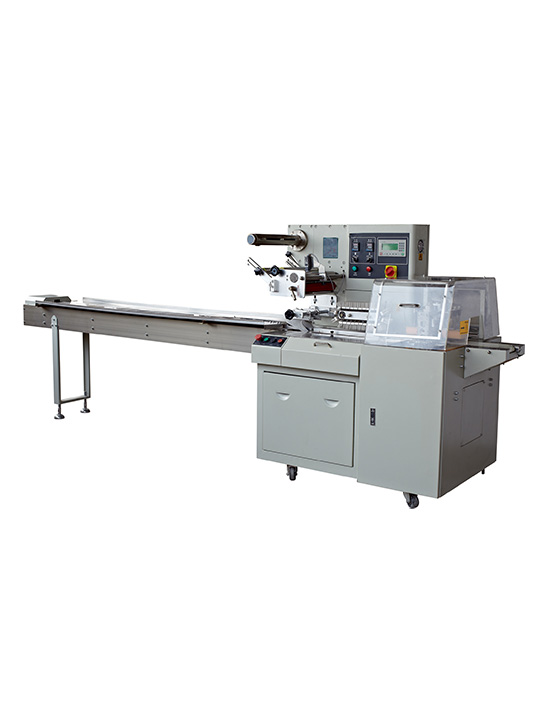
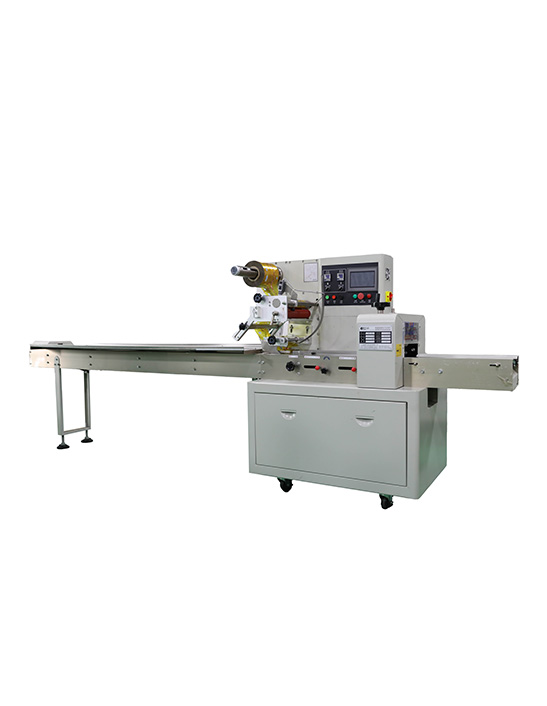
  • Horizontal Form Fill Seal (HFFS) machines: The film is formed and conveyed horizontally. Better suited to products that require gentle handling or shaped packaging formats. Less common for bulk powder applications but used extensively in single-serve sachet production for coffee creamers, spice blends, and pharmaceutical powders.
  • Auger filling machines: Use a rotating screw (auger) inside a hopper to deliver precise, consistent doses of powder into pre-made containers such as cans, jars, or stand-up pouches. Particularly effective for fine, difficult-to-flow powders including spices, protein powders, flour, and pharmaceutical APIs.
  • Multi-head weigher systems: A combination of multiple weighing buckets that calculate and combine portions to achieve a target weight with minimal giveaway. Typically used for granular or coarser powders at high throughput and is the preferred solution when weight accuracy to within ±0.5g or less is required at high speeds.
  • Stick pack machines: Produce narrow, tube-shaped single-serve sachets popular for instant beverages, sugar, and nutritional supplements. Compact footprint with high per-minute output makes these ideal for portion-controlled consumer retail products.
  • Valve bag filling machines: Designed for large-volume industrial powder packaging into 5kg to 50kg valve bags. Common in cement, flour milling, fertilizer, and chemical industries where high output and robust construction are priorities.

How Accurate Are Powder Packing Machines?

Filling accuracy is one of the most commercially critical specifications of any powder packing machine, directly affecting raw material costs, regulatory compliance, and consumer confidence. The accuracy achievable depends heavily on the dosing mechanism used and the flow characteristics of the specific powder being packed.

Dosing Mechanism Typical Accuracy Range Best Suited For
Auger Filler ±0.5% – ±2% Fine, cohesive powders
Volumetric Cup Filler ±1% – ±3% Free-flowing granular powders
Net-Weight Scale ±0.1% – ±0.5% High-value, regulated products
Multi-Head Weigher ±0.2% – ±1% Coarser powders at high speed

It is important to note that accuracy figures published by machine manufacturers are typically achieved under ideal conditions with a specific reference powder — often dry, free-flowing salt or sugar. When running powders with high moisture content, poor flowability, static charge, or inconsistent bulk density, real-world accuracy may be lower than the stated specification. Always request a factory acceptance test (FAT) with your actual product before finalizing a purchase.

What Factors Should You Consider When Choosing a Powder Packing Machine?

Selecting the right powder packing machine is a multi-variable decision that goes well beyond comparing headline speeds and prices. Buyers who evaluate the following factors systematically are far less likely to encounter costly mismatches between the machine's capabilities and the demands of their production environment.

  • Powder characteristics: Bulk density, particle size, flowability, moisture sensitivity, abrasiveness, and whether the product is dusty or prone to static charge all affect which dosing mechanism and contact material are appropriate. A machine optimized for free-flowing sugar granules may perform poorly with sticky, hygroscopic protein powder.
  • Target fill weight and range: Confirm the machine's minimum and maximum fill weights, and ensure that your target weight sits comfortably within the machine's optimal operating range — not at the extremes where accuracy typically degrades.
  • Required output speed: Calculate your required bags or packs per minute from your daily production target and planned operational hours. Always build in a buffer of 20–30% above the minimum required speed to allow for scheduled maintenance downtime and format changeovers.
  • Packaging format and material: Define your target pack format — pillow bag, gusseted bag, sachet, stick pack, or container — and the film or material specification. Not all machines can run all film types, and laminate structures with aluminum foil layers may require higher seal temperatures and different jaw configurations.
  • Regulatory environment: Pharmaceutical and nutraceutical applications require machines compliant with GMP (Good Manufacturing Practice) standards, constructed in FDA-approved materials, with fully documented validation support. Food applications may require hygienic design with IP65 or IP67 ingress protection ratings for washdown capability.
  • Changeover requirements: If you run multiple SKUs, products, or bag sizes on the same line, evaluate the time and complexity of format changeovers. Tool-free changeover systems, recipe-based HMI controls, and modular auger assemblies can reduce changeover time from hours to under thirty minutes.
  • Footprint and utilities: Verify the machine's physical dimensions against your available floor space and ensure that compressed air supply, electrical power rating, and extraction requirements are compatible with your facility infrastructure.

What Powder Types Can These Machines Handle?

Modern powder packing machines are engineered to handle an exceptionally wide range of powder types across different industries, but no single machine configuration handles all powder types equally well. The following overview groups common applications by industry and notes the machine type most typically specified for each.

Food and Beverage

Coffee, tea, cocoa, protein powder, flour, sugar, salt, spices, powdered milk, instant soup mixes, baking powder, and nutritional supplements are among the highest-volume food powder applications. VFFS machines fitted with auger dosers dominate this segment for small-to-medium retail pack sizes. Multi-head weighers are preferred where product is granular and output speed is a priority. Nitrogen flushing is commonly integrated for oxygen-sensitive products like coffee and milk powder to extend shelf life.

Pharmaceutical and Nutraceutical

APIs (active pharmaceutical ingredients), excipient blends, herbal powders, vitamin and mineral premixes, and oral rehydration salts require machines built to GMP standards with full CIP (clean-in-place) or documented manual cleaning validation protocols. Containment solutions may be required for highly potent or hazardous active ingredients. Stick pack and sachet machines are particularly popular for single-dose pharmaceutical sachets, while auger fillers are standard for bottled supplements.

Chemical and Agricultural

Detergent powder, fertilizer, pesticide granules, titanium dioxide, carbon black, and cement additives represent the chemical and agricultural segment. These products are often abrasive, corrosive, or dusty, requiring machines built from hardened steel or coated alloys with robust dust extraction integration. Valve bag filling machines with impeller or screw feeding are standard for bulk industrial packaging of 10kg to 50kg bags.

How Fast Can a Powder Packing Machine Run?

Speed specifications vary enormously across machine types, formats, and fill weights. As a practical reference, entry-level semi-automatic auger filling machines typically manage 10–20 fills per minute. Fully automatic VFFS machines for small sachets and stick packs can reach 100–300 packs per minute in optimal conditions. High-speed multi-head weigher systems integrated with VFFS lines for larger bag formats typically operate at 40–120 bags per minute depending on target weight. Valve bag fillers for heavy industrial powders typically achieve 2–10 bags per minute, where cycle time is dominated by the weight and transport of each filled bag rather than the machine's mechanical speed.

It is critical to distinguish between the machine's rated maximum speed and its achievable sustained throughput under your specific conditions. Film tension issues, seal quality checks, powder flow inconsistencies, and operator interventions all reduce effective output in real production. Request OEE (Overall Equipment Effectiveness) data from the manufacturer rather than relying solely on maximum rated speed when comparing machines.

What Maintenance Does a Powder Packing Machine Require?

Consistent preventive maintenance is essential to sustaining accuracy, uptime, and hygienic compliance throughout the machine's operational life. Neglecting maintenance on a powder packing machine typically manifests first as filling accuracy drift, then as seal failures, and ultimately as unplanned breakdowns that halt production entirely.

  • Daily tasks: Clean all powder contact surfaces including the hopper, auger, dosing funnel, and fill tube. Inspect sealing jaws for product contamination or residue buildup. Check film tension and alignment. Verify fill weight accuracy on each SKU run.
  • Weekly tasks: Inspect and lubricate drive chains and cam followers according to the manufacturer's schedule. Check jaw temperature calibration with an independent thermocouple. Inspect all pneumatic seals and connections for leaks.
  • Monthly tasks: Inspect the auger flight for wear — an auger that has lost metal due to abrasive powder will consistently underfill. Check load cell calibration on gravimetric systems using certified reference weights. Inspect all electrical connections and check motor current draw for early signs of bearing wear.
  • Annual tasks: Full mechanical inspection by a qualified service engineer. Replace consumable items such as sealing jaw inserts, PTFE tapes, and timing belts on schedule rather than waiting for failure. Update PLC software and back up all recipes and calibration data.

What Are the Most Common Problems and How Are They Resolved?

Even well-maintained powder packing machines encounter recurring operational challenges. Knowing what to look for and why it happens allows maintenance teams to resolve issues quickly rather than defaulting to expensive service call-outs for problems that have straightforward root causes.

  • Inconsistent fill weights: Most commonly caused by powder bridging in the hopper, worn auger flights, or fluctuating bulk density due to changes in powder moisture content. Solutions include installing agitator paddles in the hopper, replacing the auger, and controlling the storage environment of the powder before it reaches the line.
  • Poor seal quality or leaking bags: Typically caused by incorrect jaw temperature, contamination of the seal area by powder, or film that has been stored in conditions causing moisture absorption. Verify jaw temperature calibration, check the cut-off point of the fill cycle relative to the sealing position, and inspect film storage conditions.
  • Powder dusting and product loss: Excessive dust during filling causes product loss, environmental contamination, and potential explosion risk with certain fine powders. Solutions include slowing the fill speed, lowering the fill tube to reduce the drop height into the bag, and integrating dust extraction at the fill point.
  • Film tracking errors: The packaging film drifts off the center path, causing misaligned seals or print registration errors. Check dancer roll tension, film reel alignment, and the condition of the film guide rollers. On modern machines, auto-tracking systems with servo-driven edge guides can resolve chronic tracking issues automatically.

What Should You Ask a Supplier Before Buying?

The quality of the supplier relationship matters as much as the specification of the machine itself. Powder packing equipment is a long-term capital investment, and the level of technical support, spare parts availability, and application knowledge a supplier can provide will significantly affect the total cost of ownership over the machine's lifespan — typically 10 to 20 years for a well-maintained unit.

  • Can you conduct a trial run with our actual product at your facility or a demonstration center before we commit to purchase?
  • What is the lead time for the critical wear parts — augers, jaw inserts, load cells — and do you hold them in stock in our region?
  • What documentation is provided with the machine for regulatory validation, including IQ/OQ/PQ protocols for GMP environments?
  • What warranty is provided, and what does it cover in terms of parts, labor, and travel costs for on-site service?
  • Can the machine be upgraded in the future — for example, to add a nitrogen flushing system, a checkweigher, or an additional format — without replacing the base machine?
  • What remote diagnostics capability does the machine have, and can your engineers access the PLC remotely to troubleshoot issues without an on-site visit?

A supplier who can answer these questions thoroughly, provide customer references from similar applications, and offer a documented factory acceptance test process is demonstrating the level of technical competence and after-sales commitment that a capital equipment purchase of this nature demands. Prioritizing these factors alongside the machine's technical specification is the most reliable path to a successful long-term investment in powder packing automation.