Content
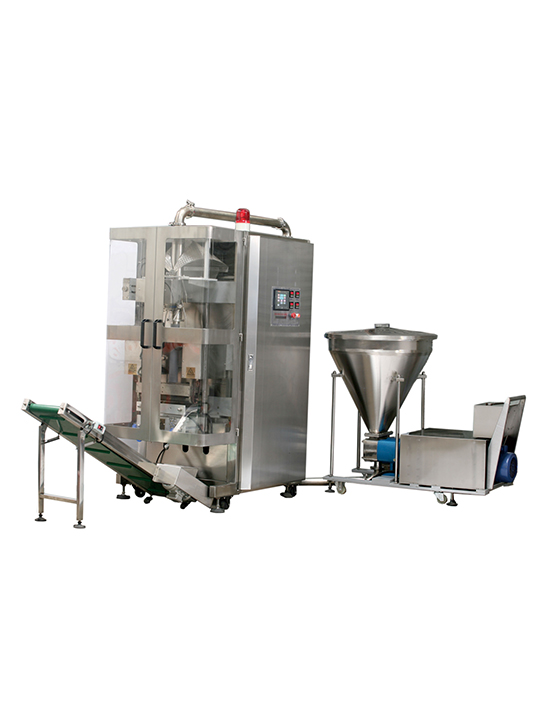
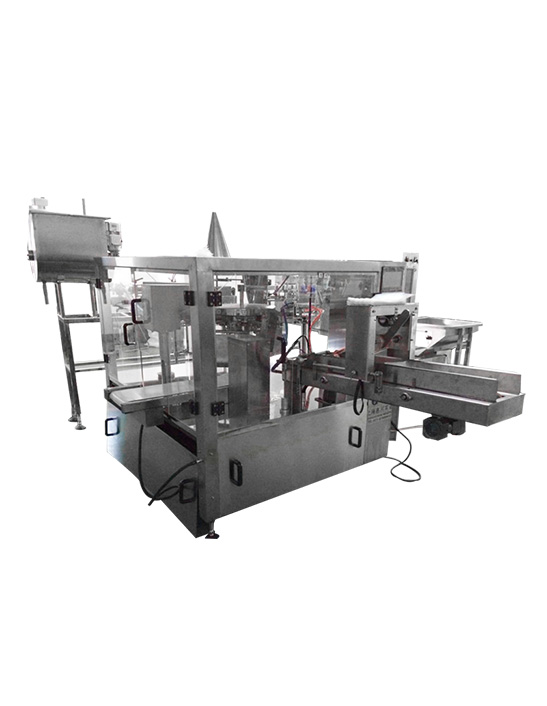
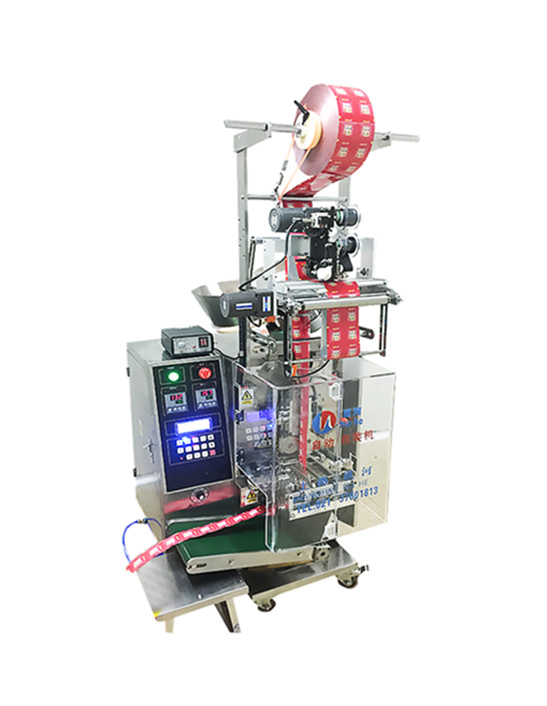
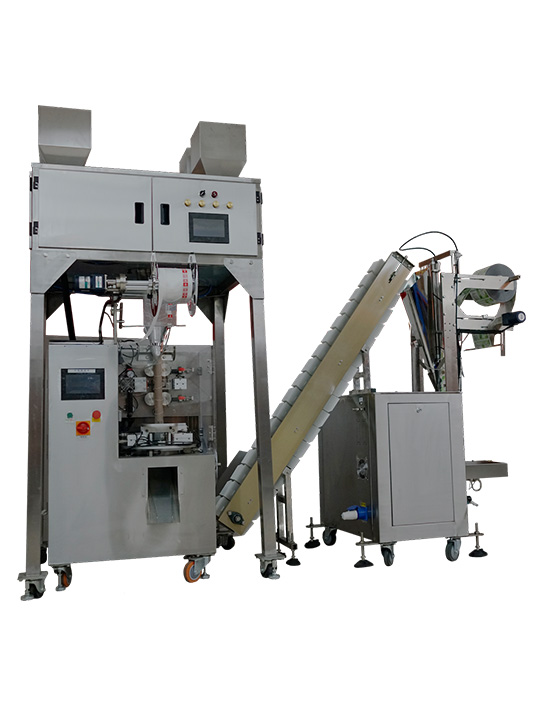
A powder packing machine automates the process of measuring, dispensing, and sealing powdered products into bags, pouches, or containers. These machines are used across industries such as food production, pharmaceuticals, cosmetics, chemicals, and agriculture, wherever consistent, accurate portioning of fine or granular powder is required. Manual powder filling is slow, prone to human error, and difficult to scale, which is why most production facilities handling powder in any meaningful volume eventually invest in automated or semi-automated packing equipment.
The core function of any powder packing machine is to measure a precise quantity of product, either by weight or volume, and deposit it into a package before sealing. However, the specific mechanism used to achieve this measurement varies significantly between machine types, and choosing the right one depends heavily on the characteristics of the powder being packed, including its flowability, density, and particle size.
Powder packing machines are generally categorized by their filling mechanism, since this is what most directly affects accuracy, speed, and suitability for different powder types.
| Machine Type | Filling Method | Best Suited For |
| Auger Fillers | Rotating screw meters powder by volume | Fine, free-flowing powders like flour, spices, and protein powder |
| Net Weigh Fillers | Load cells measure product by exact weight | High-value or variable-density powders needing precise weight accuracy |
| Vibratory Fillers | Vibration moves powder through a controlled channel | Granular or slightly coarse powders that do not flow well through augers |
| Vacuum Fillers | Vacuum suction draws powder into a metering chamber | Very fine, dusty powders where minimizing dust release is critical |
| Volumetric Cup Fillers | Fixed-volume cups dispense a consistent amount | Uniform, consistent-density powders needing high-speed filling |
Auger fillers remain the most widely used type of powder packing equipment because they handle a broad range of fine powders reliably and at a reasonable cost. A rotating screw, or auger, moves a metered amount of powder from a hopper into the package below, with the fill volume controlled by the number of screw rotations. This method works particularly well for powders like flour, cocoa, protein blends, and spice mixes, though it is less effective for powders that clump or have inconsistent density, since variations in how tightly the powder packs into the auger flights can affect fill accuracy.
Vacuum filling systems are often chosen specifically for powders that generate significant dust during handling, such as certain pharmaceutical compounds or fine chemical powders. By drawing powder into a sealed metering chamber using suction rather than gravity or mechanical agitation, vacuum fillers reduce airborne dust, which improves workplace safety and reduces product waste. This filling method also tends to produce more consistent fill weights for powders that are otherwise difficult to measure using auger or vibratory systems.
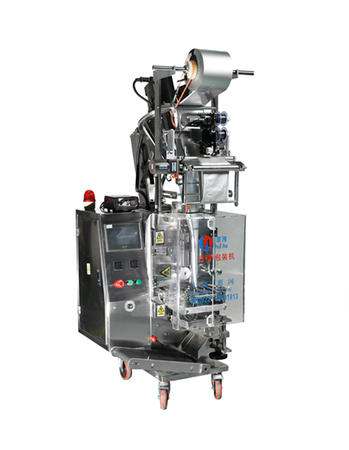
Choosing the right powder packing machine requires evaluating several factors specific to the product and production environment, rather than simply picking the most popular option on the market.
Powder packing machines are available in semi-automatic and fully automatic configurations, and the right choice largely depends on production volume and available labor. Semi-automatic machines typically require an operator to place empty bags or containers under the filling nozzle manually, while the machine handles the measuring and dispensing. This setup works well for smaller operations or businesses with variable product lines that do not justify the cost of full automation.
Fully automatic systems integrate bag forming, filling, sealing, and sometimes labeling into a single continuous process, dramatically increasing throughput while reducing labor costs per unit produced. These systems are common in large-scale food and pharmaceutical manufacturing, where consistent output volume justifies the higher upfront investment. Facilities considering fully automatic equipment should also factor in the cost of integration with existing conveyor systems, quality control checkpoints, and packaging line software.
Regular maintenance is essential for keeping a powder packing machine running accurately over time. Auger and vibratory components in particular are prone to wear from constant contact with abrasive or fine powders, which can gradually affect fill consistency if not addressed. Operators should establish a routine schedule for calibrating load cells, checking auger flights for wear, and cleaning filling chambers to prevent residue buildup that can affect both accuracy and hygiene.
Humidity control in the surrounding facility also plays a meaningful role in machine performance, since many powders absorb moisture from the air and become more prone to clumping in humid conditions. Facilities packing hygroscopic powders, such as certain protein powders or pharmaceutical compounds, often benefit from climate-controlled packing rooms to maintain consistent fill weights and reduce mechanical strain on the filling equipment. Combining proper environmental control with a consistent maintenance schedule helps extend equipment lifespan and minimizes costly production downtime.
Copyright © Soontrue Huihe Automation Equipment (Shanghai) Co.,LtdAll Rights Reserved. Custom Packaging Machinery Manufacturers


 英语
英语 西班牙语
西班牙语 简体中文
简体中文