Content
A powder packing machine automates the process of measuring, filling, and sealing fine or granular powdered products into bags, pouches, or containers. These machines are used across industries such as food processing, pharmaceuticals, chemicals, and cosmetics to package products ranging from flour and spices to detergents and pharmaceutical powders. By automating what was traditionally a manual and time-consuming task, powder packing machines improve fill accuracy, reduce product waste, and significantly increase packaging throughput compared to hand-filling methods.
The core operating principle involves a metering system that measures a precise quantity of powder, typically using volumetric cups, auger screws, or weighing systems, before dispensing it into a pre-formed or automatically formed bag. The machine then seals the package using heat sealing, ultrasonic sealing, or other closure methods, depending on the packaging material. Many modern systems also integrate date coding, batch printing, and quality inspection features directly into the packaging line, reducing the need for separate downstream equipment.
Different powder packing machine designs are suited to different production volumes, powder characteristics, and packaging formats. Understanding these categories helps buyers select equipment that matches their specific operational needs.
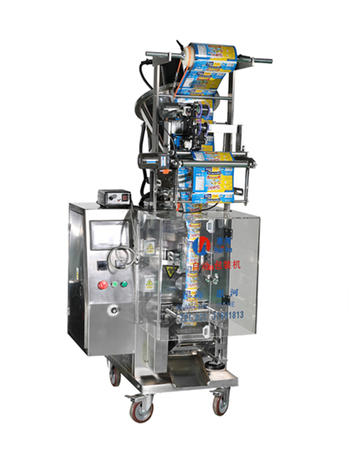
Auger fillers use a rotating screw mechanism to measure and dispense powder by volume, making them well suited for free-flowing powders such as flour, sugar, or protein powder. The rotation speed and auger duration determine fill weight, allowing for precise, repeatable dosing even at high production speeds.
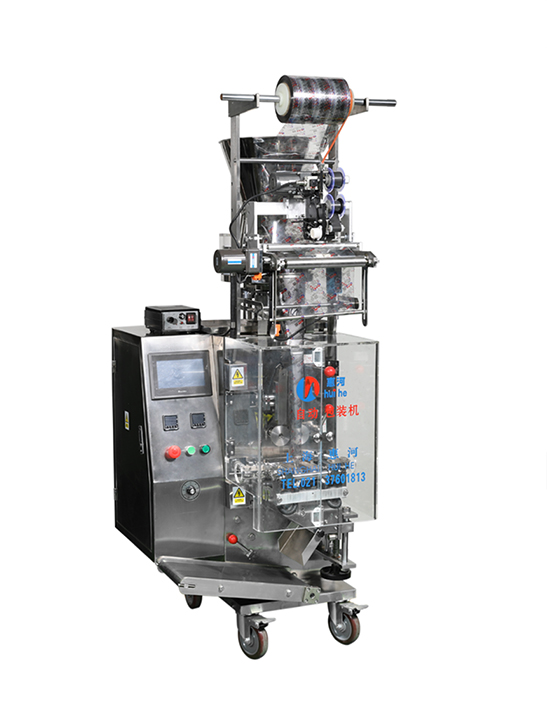
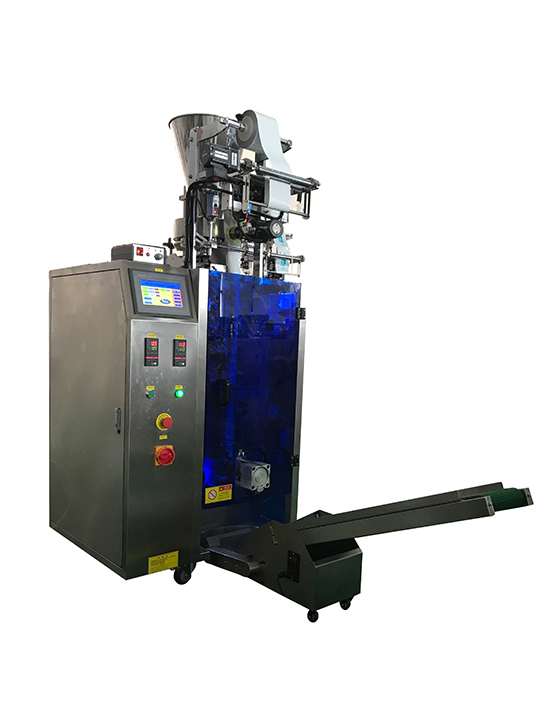
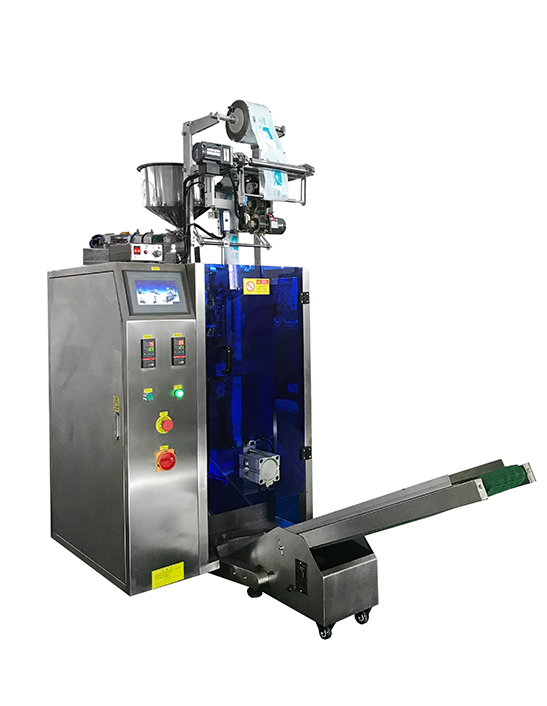
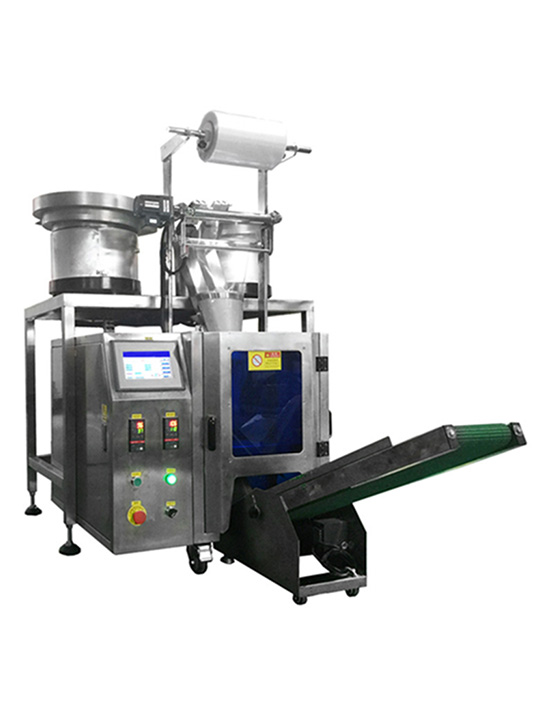
VFFS machines form bags from a roll of packaging film, fill them with the measured powder, and seal them in a continuous vertical process. This design is highly efficient for high-volume production and is commonly used for products like spice packets, powdered beverages, and detergent sachets.
Net weight fillers use load cells to measure the exact weight of powder dispensed into each package, offering higher accuracy than volumetric systems. These machines are often preferred for pharmaceutical and nutraceutical applications where precise dosing is a regulatory requirement.
The physical properties of the powder being packaged significantly influence which machine type and filling mechanism will perform best. The table below summarizes common powder characteristics and their recommended filling approaches.
| Powder Characteristic | Example Products | Recommended Filling Method |
| Free-flowing | Sugar, salt, rice flour | Auger filler, volumetric cup filler |
| Fine and dusty | Cocoa powder, milk powder | Auger filler with dust extraction |
| Sticky or compressible | Certain protein blends, herbal extracts | Net weight filler with agitation system |
| High-value, precise dosing | Pharmaceutical powders, supplements | Net weight filler with load cell verification |
Selecting the right powder packing machine requires evaluating several operational and technical factors beyond the basic machine type.
Powder packing machines serve a wide range of industries, each with distinct regulatory and operational requirements that influence machine selection and configuration.
Regular maintenance keeps powder packing machines running efficiently and helps avoid costly production downtime. Filling components such as augers, hoppers, and dosing cups should be inspected and cleaned according to the product changeover schedule to prevent cross-contamination and material buildup that can affect fill accuracy. Seals and cutting blades on form fill seal machines require periodic inspection, as worn components can lead to inconsistent seal integrity and increased product waste from leaking or improperly formed packages. Calibration of weighing systems should be performed on a defined schedule, particularly for net weight fillers used in regulated industries, to ensure fill weights remain within required tolerances over time.
Choosing a reliable equipment supplier is as important as selecting the right machine type. Buyers should request performance data or trial runs using their actual product whenever possible, since powder flow characteristics can vary significantly even within the same general product category. Confirming the availability of local technical support, spare parts, and training resources helps minimize downtime if issues arise after installation. For facilities anticipating future growth, discussing scalability options with the supplier, such as modular upgrades or compatibility with additional packaging formats, can help ensure the investment continues to meet production needs as the business expands.

Copyright © Soontrue Huihe Automation Equipment (Shanghai) Co.,LtdAll Rights Reserved. Custom Packaging Machinery Manufacturers


 英语
英语 西班牙语
西班牙语 简体中文
简体中文