英语
英语 西班牙语
西班牙语 简体中文
简体中文Industry News
Home / News / Industry News / How Can Horizontal Packing Machines Optimize Production Efficiency and Packaging Quality?
Content
Horizontal packing machines have revolutionized the packaging industry, enabling high-speed automated production of sealed packages meeting stringent quality standards while dramatically reducing labor costs and material waste. These sophisticated systems combine precision engineering with advanced control technologies, transforming bulk products into consumer-ready packages with consistent dimensions, proper sealing, and professional appearance that distinguish quality products in competitive markets. Understanding the design principles, operational capabilities, advantages, and application considerations of horizontal packing machines enables manufacturers, packaging engineers, and procurement professionals to specify solutions optimally suited for specific product types, production volumes, and quality requirements. This comprehensive guide explores every dimension of horizontal packing machines, from fundamental operating principles through advanced features, performance advantages, diverse industrial applications, and strategic selection criteria enabling businesses to maximize production efficiency, enhance packaging quality, and optimize return on capital investment in packaging infrastructure.
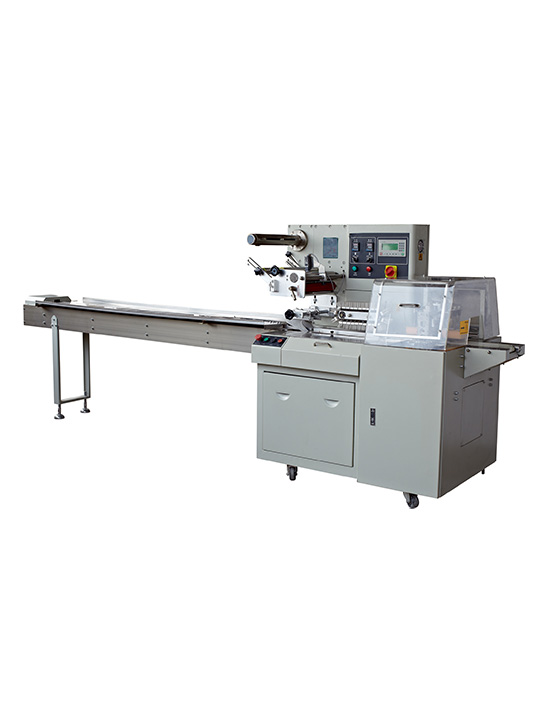
Horizontal packing machines automate the process of filling, sealing, and cutting packages through continuous or intermittent motion of film material that forms the package envelope around product contents. The fundamental operating principle involves unwinding a continuous roll of film material, positioning product on the film, folding the film to create package sides, applying heat and pressure to seal edges creating airtight packages, and cutting the sealed package from the continuous film feed. This straightforward mechanical sequence occurs at remarkable speed, with modern machines capable of producing 50-300+ packages per minute depending on product type, package size, and complexity requirements.
The horizontal orientation refers to the package flow direction during processing, with products advancing horizontally across the machine's working surface rather than vertically as in alternative designs. This configuration enables reliable gravity feed of products into the sealing area, simplifies machine loading and product positioning, and accommodates diverse product shapes and sizes through adjustable components. The horizontal arrangement also facilitates maintenance access and operator interface with production controls, positioning critical adjustment points at comfortable working heights enabling efficient operator interaction.
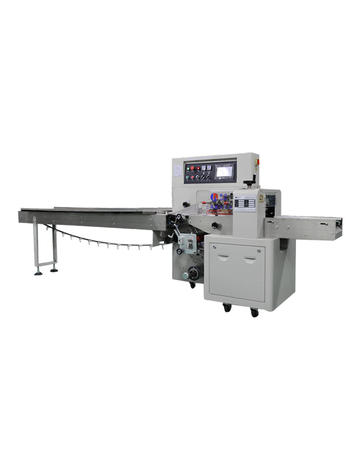
Modern horizontal packing machines incorporate sophisticated servo motor controls enabling precise speed adjustment, synchronized motion between film advance and product positioning, and intelligent quality monitoring ensuring consistent package dimensions and seal integrity. Variable speed operation accommodates different product types and package configurations without requiring mechanical adjustment, enabling rapid changeovers between production runs. Programmable logic controllers manage complex operational sequences, coordinate multiple mechanical subsystems, and provide real-time monitoring enabling rapid identification and correction of operational problems.
Horizontal packing machines deliver dramatic productivity improvements compared to manual packaging, with single machines replacing 10-30+ manual workers depending on production speed and complexity. Automated operation maintains consistent speed throughout shifts, eliminating the fatigue-related production slowdowns characteristic of manual processes. The continuous operation capability enables extended production runs producing thousands of units daily without operator intervention, maximizing equipment utilization and significantly reducing per-unit packaging costs. These productivity improvements directly translate to competitive pricing advantages enabling manufacturers to capture market share or improve profitability on existing volumes.
Consistency and quality improvement represent additional critical advantages, as machines apply identical sealing pressure, heat, and cut positioning to every package regardless of operator skill or fatigue state. This consistency eliminates quality variation that damages brand reputation and generates customer complaints requiring costly remediation. Proper seal integrity ensures that packages maintain product freshness, prevent contamination, and provide professional appearance enhancing consumer perception of product quality. Reduced package damage compared to manual handling eliminates waste and ensures that consumers receive undamaged products improving satisfaction and reducing returns.
Material efficiency improvements emerge from precise film cutting and minimal scrap generation characteristic of automated operation. Manual operators generate substantially greater film waste through imprecise cutting and learning curve inefficiencies, directly increasing per-unit packaging material costs. Automated systems optimize film utilization, maximizing packages per roll and reducing waste disposal costs. The improved efficiency combined with reduced labor costs creates rapid payback periods justifying capital investment in modern equipment despite substantial upfront costs.
| Performance Factor | Automated Machine | Manual Packaging | Improvement |
| Production Speed | 100-300/min | 10-30/min | 5-10x faster |
| Consistency | 99%+ uniform | 85-95% uniform | Dramatic improvement |
| Material Waste | 2-3% | 8-12% | 60-75% reduction |
| Labor Requirement | 1-2 operators | 10-30 workers | 90% labor reduction |
Food and beverage packaging represents the dominant application for horizontal packing machines, with systems producing packages for snacks, dried goods, flour, sugar, coffee, tea, and numerous processed food products. The machines accommodate diverse product forms including powders, granules, and small discrete items, enabling manufacturers to optimize packaging for specific product characteristics. Pharmaceutical and supplement packaging employs horizontal machines for strict quality control and contamination prevention, with integrated vision systems verifying product presence and proper fill levels meeting regulatory requirements. The superior consistency meets pharmaceutical industry demands for tamper-evident packaging and precise dosage indication.
Personal care and cosmetics manufacturers utilize horizontal packing machines for efficient production of sachets, sample packets, and retail packages for powders, creams, and similar products. The gentle product handling prevents damage to delicate materials while maintaining professional packaging appearance enhancing brand perception. Chemical and industrial product manufacturers employ robust horizontal machines for packaging fertilizers, minerals, powders, and other bulk materials in retail or industrial quantities. The machines' ability to seal thick materials and apply strong seals ensures package integrity during handling and storage of heavy or abrasive contents.
Seed and agricultural product packaging benefits from horizontal machines enabling rapid, consistent packaging of seeds, grains, and animal feed in retail or bulk quantities. The precision fill systems ensure accurate weight or count consistency meeting customer expectations and regulatory requirements. The versatility of horizontal machines enables manufacturers to serve diverse markets from consumer retail through industrial bulk applications through simple parameter adjustments and minimal mechanical modification.
Production capacity requirements represent the primary machine selection criterion, establishing minimum throughput capability needed to meet business objectives. Machines are specified in packages per minute, with capacity ranging from 30-50 for basic equipment through 200-300+ for high-speed systems. The selection process should account for anticipated production growth and seasonal demand variations, specifying machines with capacity exceeding current requirements by 20-30% enabling business expansion without equipment replacement. Overly conservative sizing results in underutilized expensive equipment, while insufficient capacity creates production bottlenecks limiting business potential.
Package dimensions and material handling requirements influence machine selection, as different systems accommodate specific size ranges and material types. Compact machines excel with small packages, while larger systems handle oversized products. Film material compatibility determines whether machines can process polyethylene, polypropylene, laminates, or specialty materials demanded by specific product types. Fill system selection including volumetric, weight-based, or counting mechanisms should match product characteristics and accuracy requirements. Seal quality and heat application capabilities must accommodate specific film materials and thickness ranges enabling reliable package closure.
Control system sophistication affects operational flexibility and ease of use, with programmable systems enabling rapid changeovers and complex operational sequences impossible on manually controlled equipment. Vision inspection systems detect product presence and positioning errors, eliminating defective packages and reducing waste. Integration with upstream filling and downstream case-packing equipment creates complete packaging lines minimizing manual handling and maximizing overall efficiency. Energy efficiency considerations including heat source selection and seal optimization reduce operational costs over extended equipment lifespan.
Proper installation and setup establish foundation for reliable long-term operation, with manufacturer technical support ensuring correct film path routing, seal temperature calibration, and alignment of all mechanical components. Initial trial runs using actual production materials validate seal quality and fill accuracy before full-scale production commences. Operator training on equipment operation, basic troubleshooting, and routine maintenance prevents many common problems while ensuring consistent operator utilization of available equipment features and capabilities.
Preventive maintenance schedules ensure optimal performance, with routine inspection identifying wear requiring attention before failures compromise production. Heat seal element replacement maintains consistent sealing quality, while film path cleaning prevents material buildup interfering with smooth film advance. Lubrication of moving components reduces friction and wear extending equipment service life. Documentation of maintenance activities and part replacement enables tracking of equipment condition and planning of major repairs or component replacement before unexpected failures occur.
Quality control validation including periodic seal strength testing, package dimension measurement, and weight verification ensures that machines maintain output meeting specifications. Statistical process control methodologies establish control limits detecting degradation requiring maintenance before significant quality problems develop. Integration with upstream filling systems and downstream inspection equipment creates closed-loop quality systems enabling rapid identification and correction of problems.
Modern horizontal packing machines increasingly incorporate Industry 4.0 technologies enabling remote monitoring, predictive maintenance, and data-driven optimization. Internet connectivity enables real-time production monitoring from remote locations, providing visibility into machine performance and enabling rapid response to developing problems. Machine learning algorithms analyze production data identifying optimization opportunities, predicting maintenance requirements before failures occur, and continuously improving packaging parameters responding to changing conditions.
Modular machine design enables manufacturers to add new capabilities through plug-and-play component upgrades rather than complete equipment replacement. Integrated printing systems apply variable information including production dates, batch codes, or serial numbers directly onto packages. Enhanced vision inspection combines multiple detection methods eliminating defective packages and rejecting products failing quality criteria. These innovations continuously advance packaging efficiency and quality while reducing operational costs.
Horizontal packing machines represent essential infrastructure for modern manufacturing, enabling rapid, consistent production of quality packages at costs making products competitive in retail channels. The technology's versatility accommodates diverse product types and package configurations through straightforward parameter adjustments, enabling single machines to serve multiple production requirements. For manufacturers seeking to enhance production capacity, improve package quality, and reduce unit packaging costs, horizontal packing machines provide proven solutions delivering substantial competitive advantage and strong return on capital investment.
Copyright © Soontrue Huihe Automation Equipment (Shanghai) Co.,LtdAll Rights Reserved. Custom Packaging Machinery Manufacturers