Content
A screw packing machine automates the process of counting, sorting, and packaging screws and similar small fasteners into predetermined quantities, replacing what would otherwise be a slow and error-prone manual counting process. These machines are widely used by fastener manufacturers, hardware suppliers, and industrial distributors who need to package large volumes of screws quickly while maintaining accurate count and consistent packaging presentation for retail or wholesale distribution.
Beyond simply speeding up production, screw packing machines significantly reduce human error in counting, which is particularly important for businesses that guarantee exact quantities per package. Manual counting, especially at high volumes, is prone to miscounts that can lead to customer complaints or compliance issues with quantity labeling requirements. Automating this process not only improves accuracy but also frees up labor for other tasks within the production line.
Screw packing machines rely on one of several counting technologies to achieve accurate quantities, and understanding these methods helps clarify why certain machines perform better with specific screw types or sizes.
Weight-based counting systems calculate quantity by dividing the total weight of a batch by the average weight of a single screw, which has been pre-calibrated into the machine. This method works efficiently for consistent, uniform screws but can introduce small counting errors if there is significant variation in individual screw weight due to manufacturing tolerances or mixed batch sizes.
Photoelectric counting systems use light sensors to detect each individual screw as it passes through a designated counting channel, providing highly accurate piece counts regardless of minor weight variation between individual fasteners. This method is often preferred for applications requiring guaranteed exact counts, such as retail packaging where quantity accuracy is a labeling requirement.
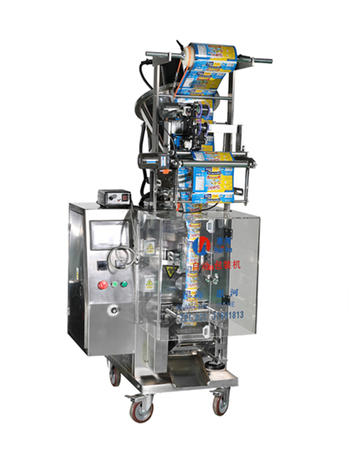
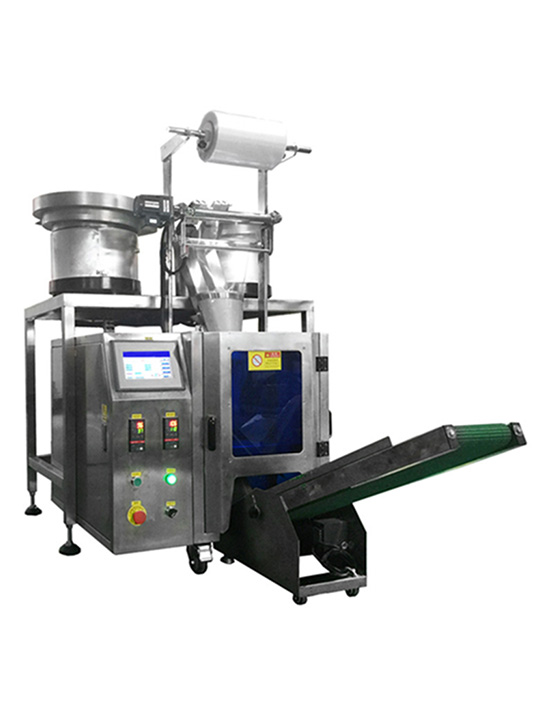
Vibratory feed systems use controlled vibration to move screws along a track in a single-file line, often combined with photoelectric or mechanical counting at the end of the track. This approach helps orient screws consistently before counting, which can improve accuracy for fasteners with irregular shapes, such as screws with unusually shaped heads or long thread lengths.
| Counting Method | Accuracy Level | Best Suited For |
| Weight-Based | Good for uniform items | High-volume, consistent screw sizes |
| Photoelectric Sensor | High precision | Exact-count retail packaging |
| Vibratory Feed | High precision | Irregularly shaped fasteners |
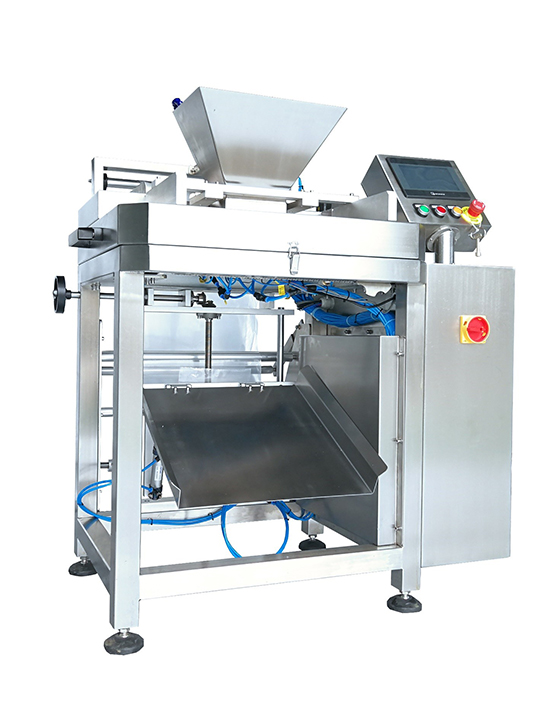
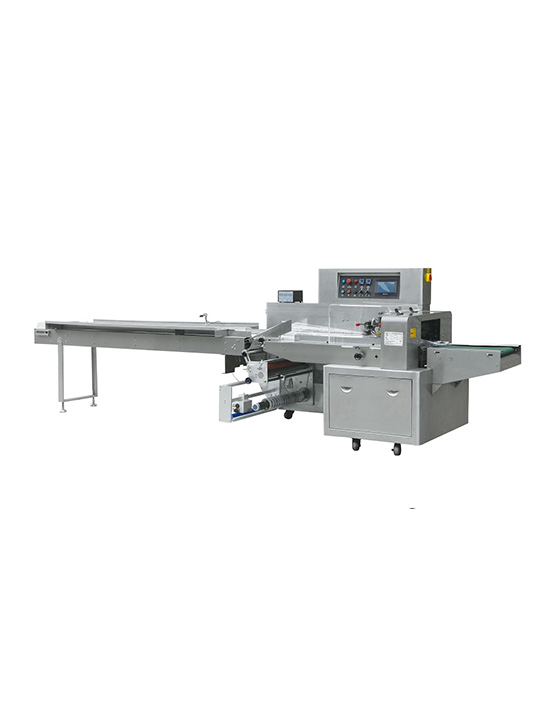
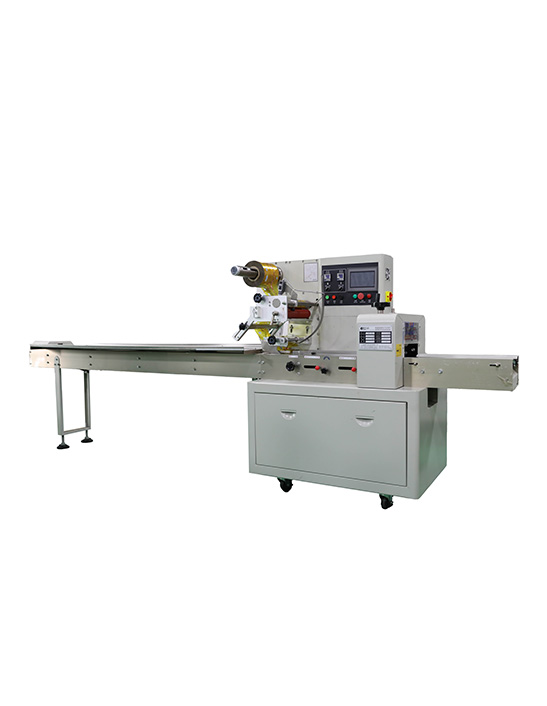
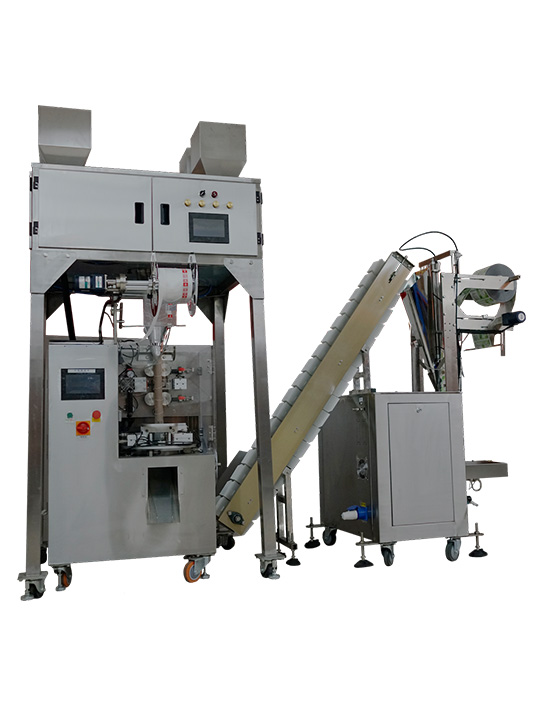
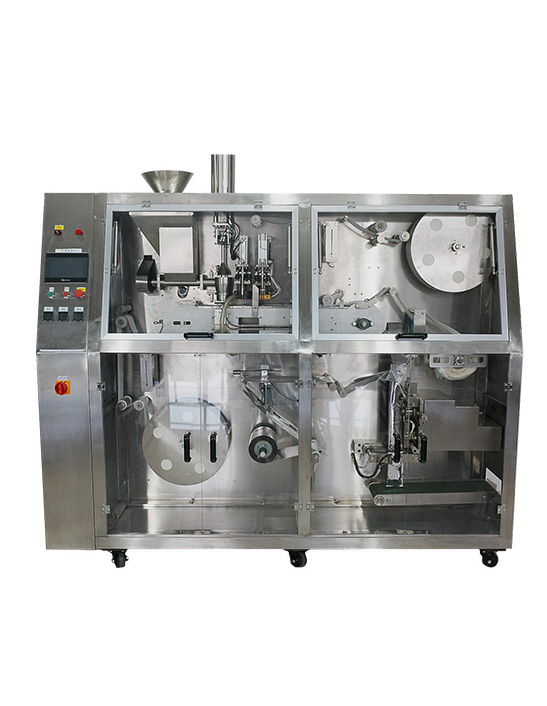
Screw packing machines are available in several configurations, each suited to different production volumes, packaging formats, and available floor space.
Choosing the right screw packing machine requires evaluating several operational factors specific to a business's product range and production goals.
Screw packing machines are used across a range of industries that rely on efficient, accurate fastener packaging as part of their broader production or distribution operations.
Proper setup of a screw packing machine is important for achieving accurate, consistent performance from the start of operation. Before regular production begins, the machine should be calibrated specifically for the screw type and size being packaged, particularly for weight-based counting systems where accurate calibration directly determines counting accuracy.
Operators should also verify that vibratory feed tracks and counting channels are properly adjusted to prevent jamming, especially when switching between different screw sizes or shapes. Running a series of test batches after any calibration change, and manually verifying counts against the machine's output, helps confirm that the system is performing accurately before full production resumes.
Regular maintenance helps screw packing machines maintain counting accuracy and minimizes unplanned downtime. Sensors used in photoelectric counting systems should be cleaned periodically, since dust or debris buildup can interfere with accurate detection and lead to counting errors over time.
Vibratory feed components and mechanical counting mechanisms should be inspected regularly for wear, since worn parts can cause screws to jam or misalign as they move through the counting process. For machines with integrated bagging or sealing functions, checking heat sealing elements and film feed mechanisms helps prevent packaging defects that could affect product presentation or seal integrity.
By selecting a screw packing machine suited to the specific fastener types and production volume required, and by maintaining consistent calibration and maintenance practices, businesses can achieve reliable counting accuracy and efficient packaging output that supports both operational efficiency and customer satisfaction over the long term.

Copyright © Soontrue Huihe Automation Equipment (Shanghai) Co.,LtdAll Rights Reserved. Custom Packaging Machinery Manufacturers


 英语
英语 西班牙语
西班牙语 简体中文
简体中文