Content
Tablet packing machines are at the heart of pharmaceutical, nutraceutical, and consumer health manufacturing. Whether you're packaging aspirin, vitamin supplements, or prescription drugs, the right packing machine determines your output speed, packaging quality, product safety, and regulatory compliance. Making the wrong choice can cost you time, money, and market credibility. This guide walks through everything you need to understand before committing to a tablet packing machine investment.
At its core, a tablet packing machine automates the process of counting, sorting, and sealing tablets into their final packaging — whether that's blister packs, bottles, pouches, strip packs, or sachets. The process typically begins with a hopper that holds the bulk tablets. From there, tablets are fed into a counting or dispensing mechanism, transferred to the packaging material, and then sealed, labeled, and ejected for further processing or shipment.
Modern machines integrate sensors, vision systems, and programmable logic controllers (PLCs) to detect broken tablets, foreign objects, or incorrect counts before sealing. This level of automation significantly reduces human error, minimizes product waste, and ensures that every finished package meets the exact specification required by quality standards and regulatory bodies like the FDA or EMA.
Understanding the different machine types is essential because each is designed for a specific packaging format and production environment. Choosing the wrong type leads to inefficiency, rework, or inability to meet packaging requirements.
Blister packing machines are the most widely used format in pharmaceutical tablet packaging. They form individual cavities in a plastic film (usually PVC or PVDC), place one tablet per cavity, and then seal the back with aluminum foil using heat. The result is a tamper-evident, moisture-resistant pack that protects tablets individually. Blister machines are available in flat-bed, rotary, and roller types, with rotary machines offering the highest output speeds — often exceeding 400 blisters per minute in high-end configurations.
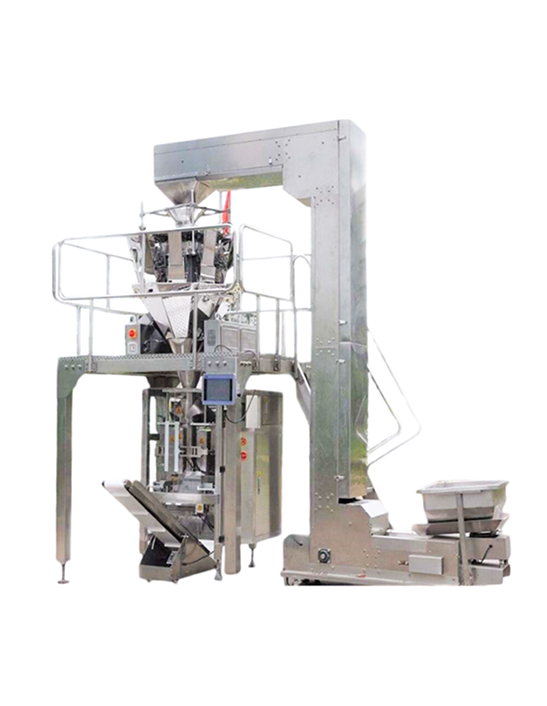
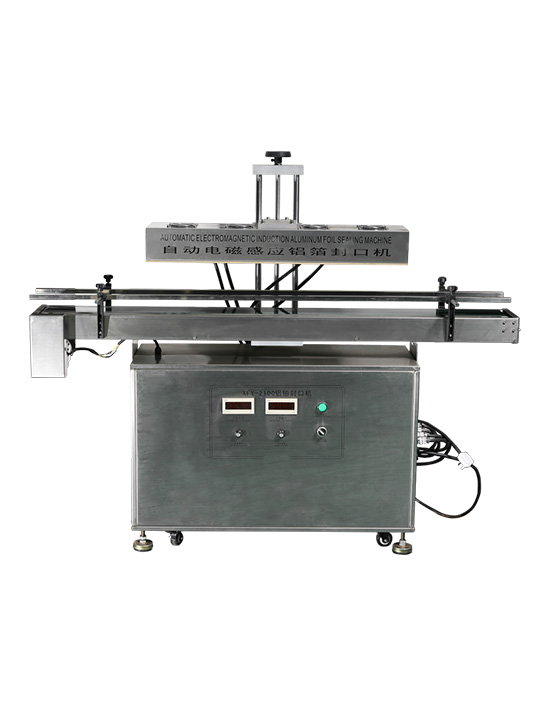
Bottle packing lines are common for over-the-counter tablets sold in retail. These systems use electronic counting heads — typically with multiple channels and infrared sensors — to count tablets and dispense them directly into plastic or glass bottles. After filling, the bottles pass through capping, induction sealing, and labeling stations. These machines are highly flexible and can handle a wide range of tablet shapes and bottle sizes with minimal changeover time.
Strip packing is an older but still widely used format, especially in markets across Asia and Africa. Tablets are placed between two layers of foil or film that are heat-sealed around each tablet. Strip packs are more economical to produce than blisters and require simpler machinery, making them popular for high-volume, cost-sensitive markets. However, they offer less moisture protection than blister packs and are less suitable for hygroscopic or sensitive formulations.
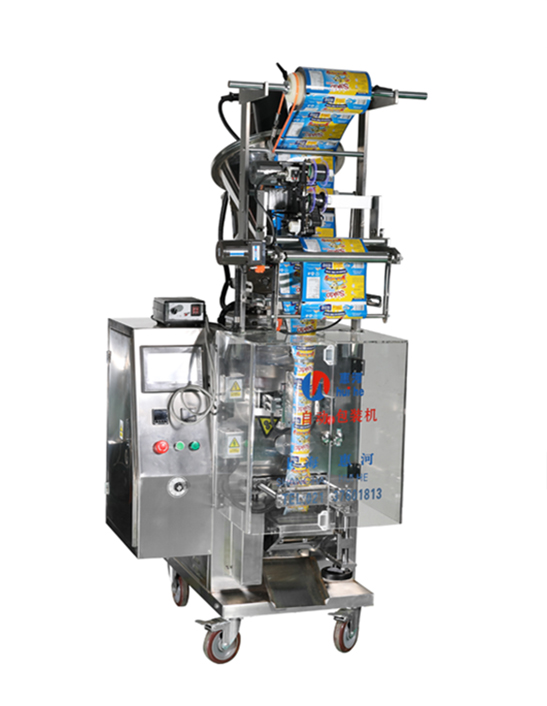
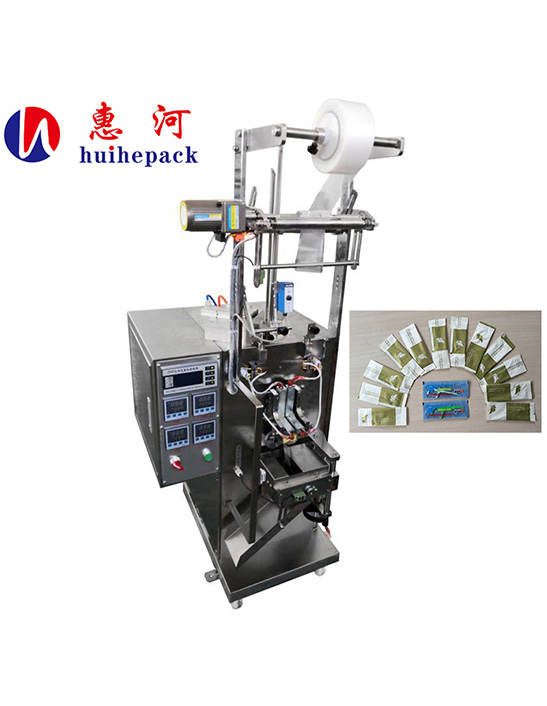
Pouch machines are used when multiple tablets need to be packaged together in a single dose or unit-of-use format. Common in hospital unit-dose dispensing or nutraceutical retail, these machines form a pouch from a roll of film, fill it with a counted number of tablets, and then seal it. Some advanced systems can print lot numbers, expiry dates, and patient information directly on each pouch, making them valuable for pharmacy automation and long-term care facilities.
Not all tablet packing machines are created equal. Beyond the basic packaging format, the following features separate high-performance machines from average ones:
The table below provides a practical comparison of the main tablet packing machine types to help you identify the best fit for your operation:
| Machine Type | Packaging Format | Speed Range | Best Application |
| Blister Packing | Individual cavity foil packs | 100–400+ blisters/min | Prescription & OTC pharma |
| Bottle Filling | Plastic or glass bottles | 30–200+ bottles/min | Retail OTC & supplements |
| Strip Packing | Foil-sealed strip | 200–1,000+ strips/min | High-volume generic markets |
| Pouch/Sachet | Multi-dose sealed pouch | 30–120 pouches/min | Unit-dose dispensing, hospitals |
Tablet packing machines are available across a wide spectrum of automation levels, from semi-automatic benchtop units suited for small compounding pharmacies or clinical trials, to fully automated high-speed lines designed for large-scale pharmaceutical manufacturers producing millions of units per day.
Semi-automatic machines require an operator to manually load tablets or position packaging materials, which reduces throughput but keeps initial investment costs low. They are practical for startups, small batches, or facilities with a wide variety of low-volume SKUs. Fully automatic machines, on the other hand, integrate seamlessly into production lines with upstream tablet presses and downstream cartoning or case-packing equipment, delivering maximum efficiency with minimal labor intervention.
When evaluating automation level, consider not just today's production volume but also your growth trajectory over the next three to five years. Scaling up too frequently by replacing machines is far more costly than investing in a machine with slightly more capacity than you currently need.
For pharmaceutical manufacturers, a tablet packing machine is not just a piece of equipment — it's part of a validated manufacturing system. Before any machine can be used in production, it must undergo Installation Qualification (IQ), Operational Qualification (OQ), and Performance Qualification (PQ) as required by regulatory agencies.
Choosing a machine supplier who provides detailed validation documentation packages, factory acceptance testing (FAT), and on-site installation support can dramatically reduce the time and cost of getting a machine validated and production-ready. Suppliers with experience working in FDA, EU GMP, or WHO GMP-regulated environments will understand these requirements and build their machines to accommodate them from the ground up.
Serialization is another growing regulatory requirement. Markets including the United States, the European Union, China, and many others now mandate that individual pharmaceutical packages carry a unique serial number linked to a track-and-trace system. Ensure that any machine you purchase can integrate with aggregation software and print or apply serialization codes at line speed without creating a production bottleneck.
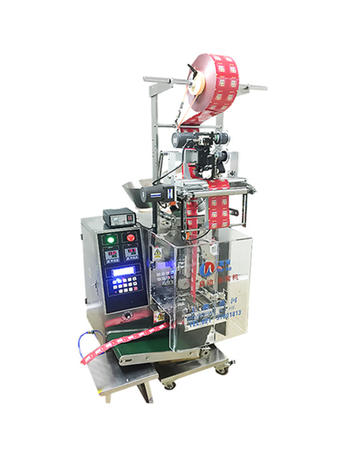
The sticker price of a tablet packing machine is only part of the financial picture. To make a truly informed investment decision, you need to calculate the total cost of ownership (TCO), which includes:
The machine itself is only as good as the supplier behind it. A reputable tablet packing machine manufacturer should have a proven track record in your specific industry, references from customers operating in your regulatory environment, and the engineering resources to customize solutions when standard machines don't fully meet your requirements.
Request a factory visit before purchasing if possible. Seeing the manufacturing quality firsthand, meeting the engineering team, and observing machines running at speed under factory acceptance test conditions gives you far more confidence than any brochure can provide. Ask specifically about lead times, warranty terms, spare parts availability, and the supplier's local service network in your region.
A tablet packing machine is a long-term asset that will serve your production line for a decade or more if properly selected, maintained, and operated. Taking the time to evaluate all technical, regulatory, and financial dimensions before purchasing is not caution — it's smart manufacturing strategy.

Copyright © Soontrue Huihe Automation Equipment (Shanghai) Co.,LtdAll Rights Reserved. Custom Packaging Machinery Manufacturers


 英语
英语 西班牙语
西班牙语 简体中文
简体中文