英语
英语 西班牙语
西班牙语 简体中文
简体中文Industry News
Home / News / Industry News / What Is a Large Vertical Packing Machine and How Does It Improve High-Volume Packaging Efficiency?
Content
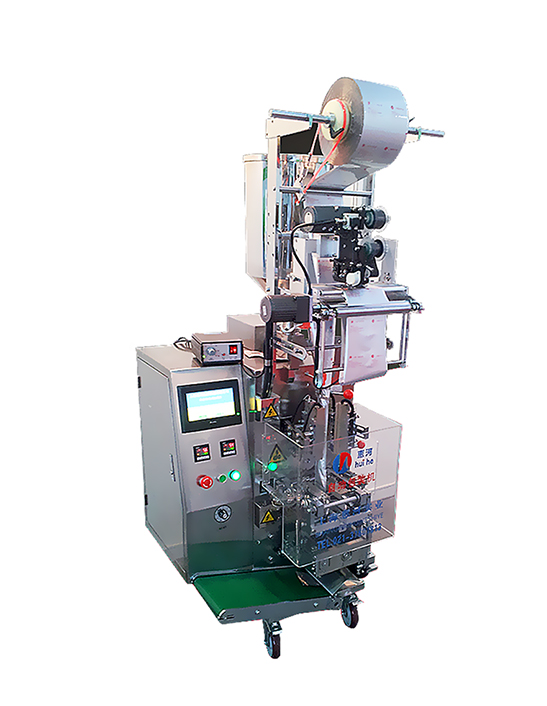
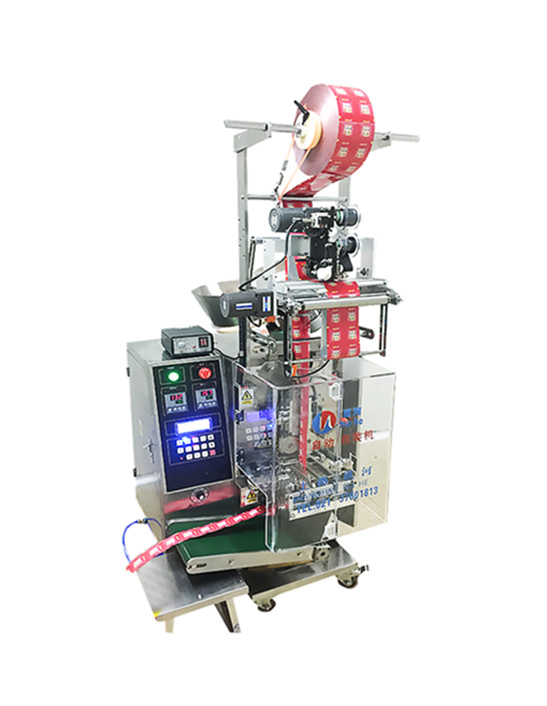
A large vertical packing machine is an industrial-grade packaging system designed to automatically form, fill, and seal bags in a vertical orientation. It is commonly used for high-volume packaging of granular, powder, liquid, or irregular products. Compared with small or medium vertical machines, large vertical packing machines are built for higher output, larger bag sizes, heavier filling weights, and continuous operation in demanding production environments.
These machines are widely applied in food processing, agriculture, chemicals, building materials, and pet food industries. By integrating precise weighing systems, robust sealing units, and automated control systems, large vertical packing machines significantly improve packaging efficiency while ensuring consistent bag quality.
The operation of a large vertical packing machine follows a form-fill-seal process. Packaging film is unwound from a roll, shaped into a tube by a forming collar, filled with product, and sealed vertically and horizontally to create finished bags. Each component plays a critical role in maintaining speed, accuracy, and sealing integrity.
The structural strength of large vertical packing machines allows them to handle heavier loads and thicker packaging films without compromising sealing quality or machine stability.
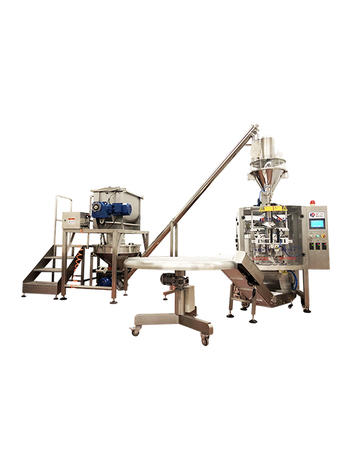
Large vertical packing machines are mainly selected when production volume and package size exceed the capacity of standard models. Their flexibility enables them to package a wide variety of products across multiple industries.
Their ability to handle large bag weights, often ranging from 5 kg to 50 kg or more, makes them essential for bulk packaging operations.
Investing in a large vertical packing machine brings clear operational advantages for manufacturers aiming to scale production while controlling labor and quality costs.
One of the most significant advantages is high efficiency. These machines are designed for continuous operation, allowing manufacturers to achieve stable output with minimal downtime. Automated weighing and sealing systems reduce human error and ensure consistent package weight.
Another advantage is labor reduction. A single operator can manage multiple machines, significantly lowering labor costs. Additionally, precise sealing improves product shelf life and reduces packaging waste.
Understanding the difference between large vertical packing machines and standard models helps buyers make informed decisions based on production needs.
| Aspect | Large Vertical Packing Machine | Standard Vertical Machine |
| Bag Size | Large and heavy bags | Small to medium bags |
| Production Volume | High-volume continuous output | Moderate output |
| Machine Structure | Heavy-duty reinforced frame | Standard frame |
Selecting the right large vertical packing machine requires careful evaluation of product characteristics, packaging requirements, and production goals. Choosing the wrong configuration can lead to inefficiency or excessive maintenance.
A well-matched machine improves long-term reliability and maximizes return on investment.
Proper maintenance is essential to keep a large vertical packing machine running efficiently. Due to their size and workload, regular inspection and preventive maintenance reduce unexpected downtime.
Key maintenance practices include cleaning sealing jaws, checking film alignment, lubricating moving parts, and verifying sensor accuracy. Operators should also monitor sealing temperature and pressure to prevent bag leakage.
As packaging demands evolve, large vertical packing machines are becoming more intelligent and energy-efficient. Smart control systems, remote diagnostics, and data integration are increasingly common features.
In addition, manufacturers are focusing on sustainable packaging compatibility, enabling machines to handle recyclable and biodegradable films without compromising performance.
Large vertical packing machines are essential solutions for businesses that require efficient, reliable, and scalable packaging operations. Their robust structure, automation capabilities, and flexibility make them a key investment for high-volume production lines.
By understanding their structure, applications, and selection criteria, manufacturers can choose the right large vertical packing machine to improve productivity, reduce costs, and maintain consistent packaging quality over the long term.


Copyright © Soontrue Huihe Automation Equipment (Shanghai) Co.,LtdAll Rights Reserved. Custom Packaging Machinery Manufacturers