英语
英语 西班牙语
西班牙语 简体中文
简体中文Industry News
Home / News / Industry News / How to Choose the Right Automatic Packing Machine for Your Packaging Line?
Content
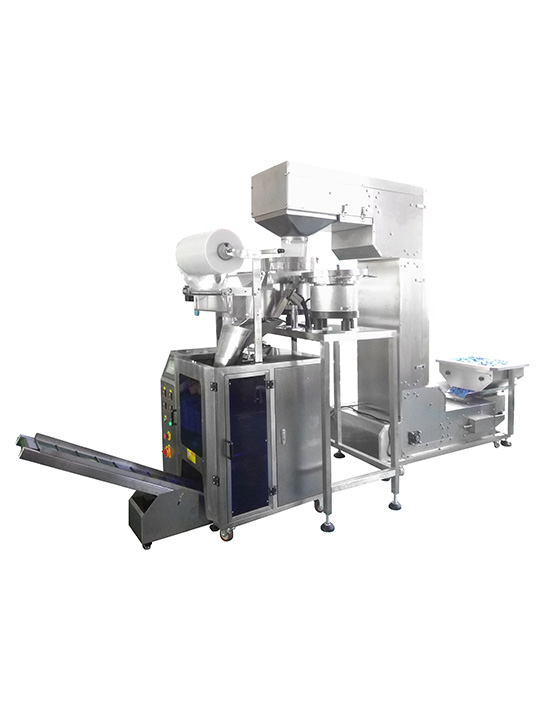
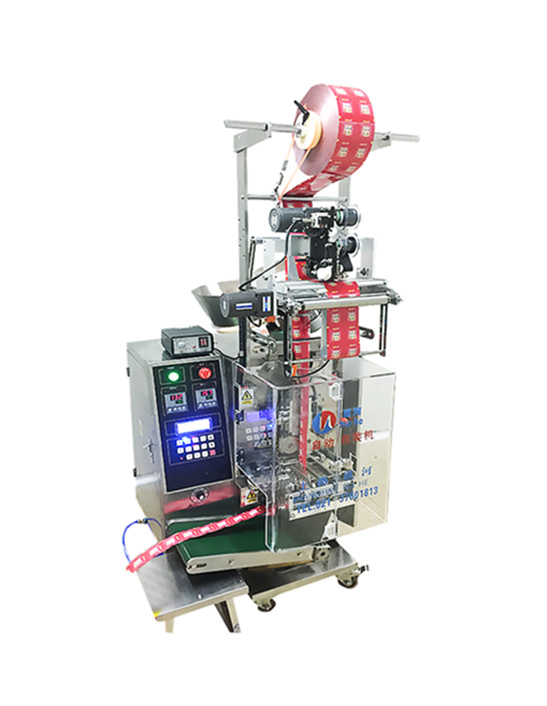
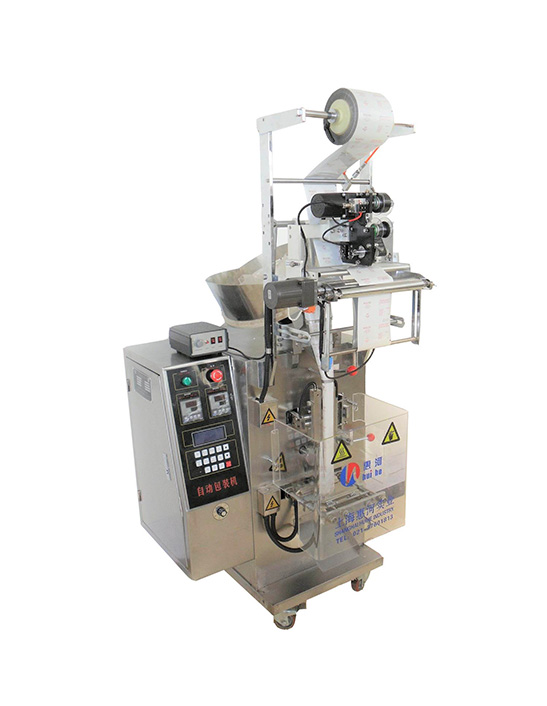
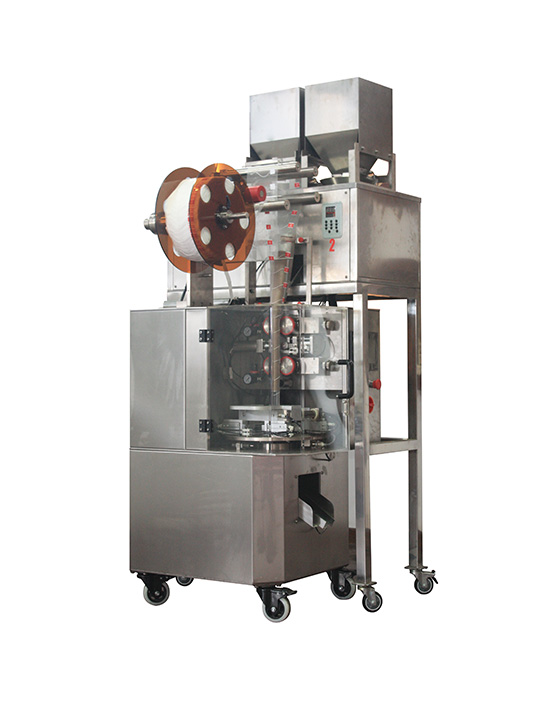
An automatic packing machine is a fully or semi-automated system designed to pack products into bags, pouches, cartons, bottles, or other containers with minimal human intervention. These machines are widely used in manufacturing and processing industries to improve efficiency, ensure consistent packaging quality, and reduce labor costs. Automatic packing machines are essential in modern production lines where speed, accuracy, and hygiene are critical.
As production volumes increase and market competition intensifies, manufacturers rely on automatic packing machines to maintain productivity while meeting strict quality and safety standards. These machines integrate mechanical, electrical, and control systems to handle product feeding, weighing, filling, sealing, labeling, and inspection in a continuous process.
Automatic packing machines operate by coordinating multiple subsystems that handle different stages of the packaging process. The working principle depends on the product type and packaging format, but most systems follow a structured sequence to ensure consistent results.
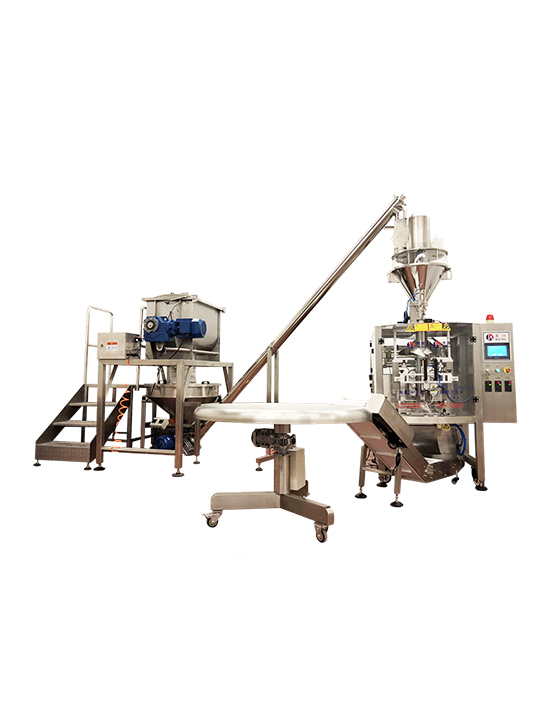
Products are delivered to the packing machine through conveyors, vibratory feeders, augers, or robotic pick-and-place units. Accurate positioning ensures that each product or batch is correctly aligned for filling or insertion into packaging materials.
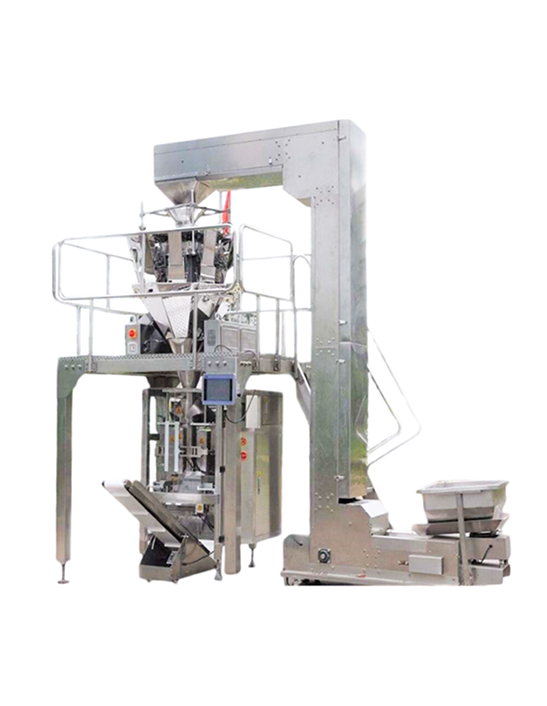
Integrated weighing systems, such as multihead weighers or load cell-based fillers, measure precise quantities of product. This step is critical for meeting weight regulations, reducing product giveaway, and maintaining consistent pack sizes.
Once filled, packages are sealed using heat sealing, ultrasonic sealing, vacuum sealing, or mechanical closure systems. The sealing method is selected based on packaging material and product requirements, ensuring airtight, leak-proof, and tamper-evident packaging.
Automatic packing machines are available in a wide range of configurations to handle different product forms and packaging styles. Understanding the main types helps manufacturers select the most suitable equipment for their production needs.
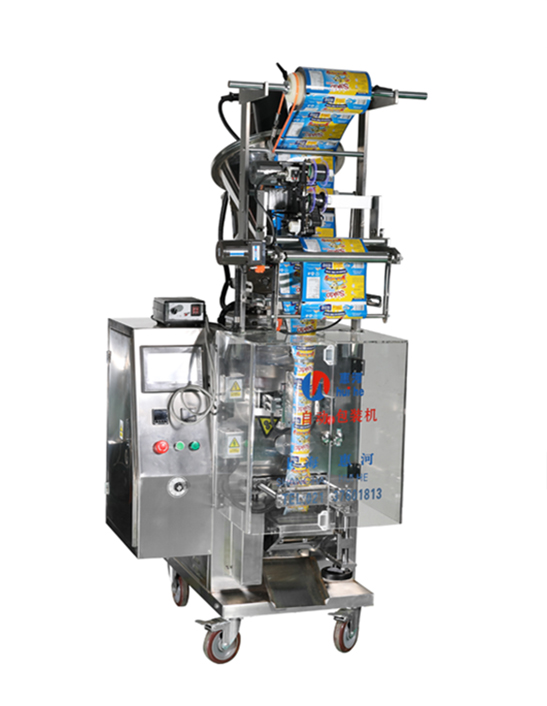
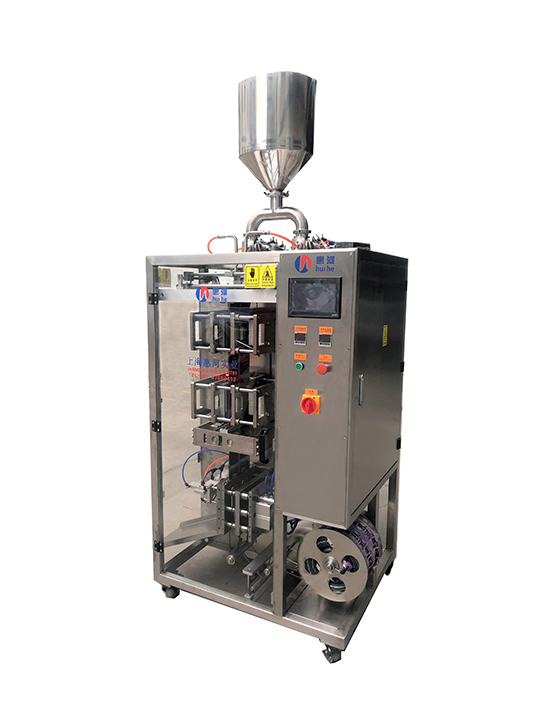
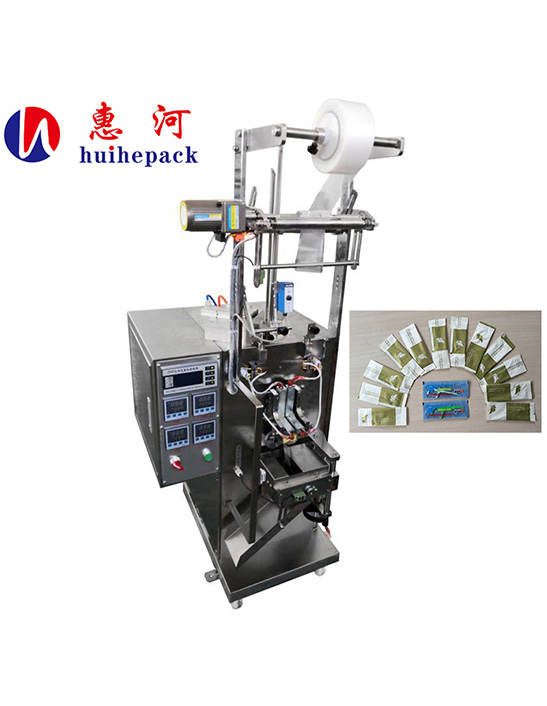
VFFS machines form bags from roll film, fill them with product, and seal them vertically. They are commonly used for granular, powder, and liquid products such as snacks, coffee, sugar, rice, detergents, and sauces. VFFS machines are valued for their compact footprint and high-speed operation.
HFFS machines form and seal packages in a horizontal orientation. They are ideal for solid or individually wrapped products such as biscuits, chocolate bars, medical devices, and fresh produce. HFFS systems offer flexibility in package shapes and are well suited for flow-wrap and tray-sealing applications.
These machines handle pre-formed pouches and automate the opening, filling, and sealing process. Pre-made pouch machines are commonly used for stand-up pouches, zipper bags, and spouted pouches. They are popular in food, beverage, and personal care industries due to their premium package appearance.
Automatic packing machines are used in a wide range of industries to support large-scale production and consistent packaging quality. Each industry has specific requirements related to hygiene, speed, and product handling.
These applications require machines that can meet regulatory standards while maintaining high throughput and product integrity.
Modern automatic packing machines are complex systems that integrate multiple components for synchronized operation. The performance of the entire system depends on the quality and compatibility of these components.
Programmable Logic Controllers (PLC) and Human Machine Interfaces (HMI) manage machine operation, parameter settings, and fault diagnostics. These systems allow operators to adjust packaging speed, temperature, and dosing accuracy with minimal downtime.
Infeed and outfeed conveyors connect the packing machine to upstream and downstream equipment. Proper conveyor integration ensures smooth product flow and prevents bottlenecks that can reduce overall line efficiency.
Evaluating the performance of an automatic packing machine involves analyzing several key metrics that directly impact production efficiency and operating costs.
| Metric | Description | Impact |
| Packaging Speed | Packs per minute or hour | Determines total output capacity |
| Filling Accuracy | Deviation from target weight or volume | Affects compliance and product cost |
| Downtime | Unplanned machine stops | Reduces overall equipment effectiveness |
Choosing the right automatic packing machine requires careful evaluation of product characteristics, packaging format, and production goals. A well-defined selection process helps avoid costly mismatches and underperforming equipment.
Engaging with equipment suppliers to conduct product trials and technical evaluations can significantly reduce implementation risks.
Proper installation and commissioning are essential to ensure that the automatic packing machine performs as expected. This phase includes mechanical setup, electrical connections, software configuration, and operator training.
Factory acceptance tests and site acceptance tests are commonly used to verify machine performance before full-scale production begins. These tests help identify potential issues early and ensure that the system meets contractual specifications.
Preventive maintenance is critical for minimizing downtime and extending machine life. Regular lubrication, inspection of wear parts, and replacement of seals and belts help maintain consistent performance.
Establishing a spare parts inventory for critical components reduces the risk of prolonged production stoppages. Many manufacturers also offer remote diagnostics and service contracts to support long-term reliability.
The evolution of automatic packing machines is closely linked to advancements in automation, digitalization, and smart manufacturing. Modern systems increasingly incorporate sensors, data collection, and connectivity to support predictive maintenance and real-time performance monitoring.
Integration with Manufacturing Execution Systems (MES) and Enterprise Resource Planning (ERP) platforms enables better production planning, traceability, and quality control across the entire packaging line.
Automatic packing machines are a strategic investment for manufacturers seeking to improve efficiency, reduce labor dependence, and achieve consistent packaging quality. By understanding machine types, core components, and performance metrics, companies can make informed decisions that align with their production objectives.
With proper selection, installation, and maintenance, an automatic packing machine can deliver long-term operational benefits, support scalable growth, and enhance overall competitiveness in fast-paced manufacturing environments.

Copyright © Soontrue Huihe Automation Equipment (Shanghai) Co.,LtdAll Rights Reserved. Custom Packaging Machinery Manufacturers