英语
英语 西班牙语
西班牙语 简体中文
简体中文Industry News
Home / News / Industry News / What Should You Know Before Buying a Powder Packing Machine for Your Production Line?
Content
Powder packing machines are critical equipment in industries ranging from food and pharmaceuticals to chemicals and cosmetics. Whether you are packaging flour, protein supplements, spices, cement additives, or talcum powder, the right machine directly determines your production efficiency, fill accuracy, packaging consistency, and overall operational cost. Yet with dozens of machine types, dosing technologies, and automation levels available on the market, selecting the right powder packing machine is far from straightforward. This article provides a practical, in-depth guide to understanding how these machines work, what types exist, and what specifications matter most when making a purchasing decision.
At their core, powder packing machines perform a sequence of operations: measuring a precise quantity of powder, transferring it into a container or bag, and sealing the package. The complexity of each step varies significantly depending on the powder's physical characteristics and the packaging format required. Powders present unique challenges compared to liquids or granules because they can vary dramatically in bulk density, flowability, moisture sensitivity, and tendency to aerate or clump. A machine designed for free-flowing salt will perform poorly with hygroscopic milk powder or cohesive pharmaceutical powder — which is why understanding the machine's dosing and feeding mechanism is essential before any purchase.
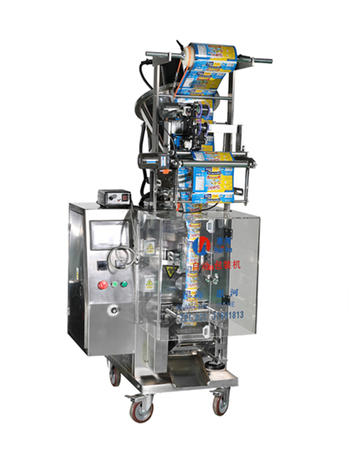
Most powder packing machines integrate three functional subsystems: a feeding and dosing unit that delivers a measured quantity of product, a forming or container-handling unit that creates or positions the package, and a sealing and discharge unit that closes and ejects the finished package. In fully automated lines, additional subsystems handle labeling, date coding, checkweighing, and rejection of out-of-spec packages. Understanding how each subsystem functions — and how it interacts with your specific powder — is the foundation of making a good equipment selection.
The market offers several distinct machine categories, each suited to specific applications, output volumes, and packaging formats. Choosing the wrong category is one of the most common and expensive mistakes in packaging line procurement.
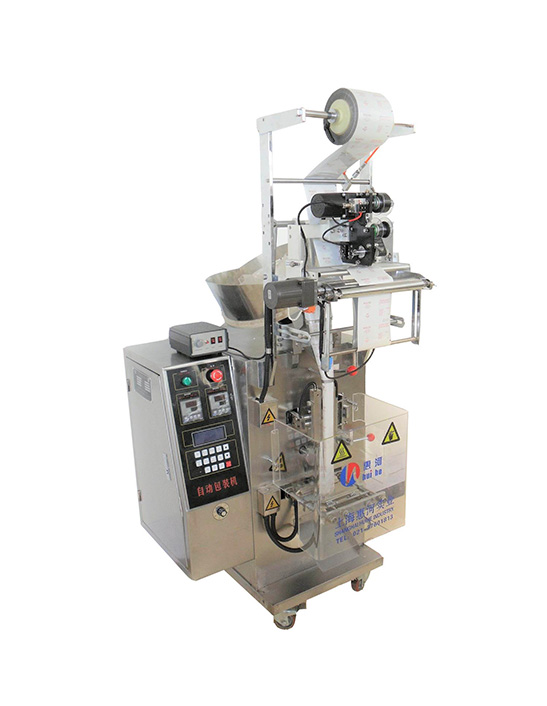
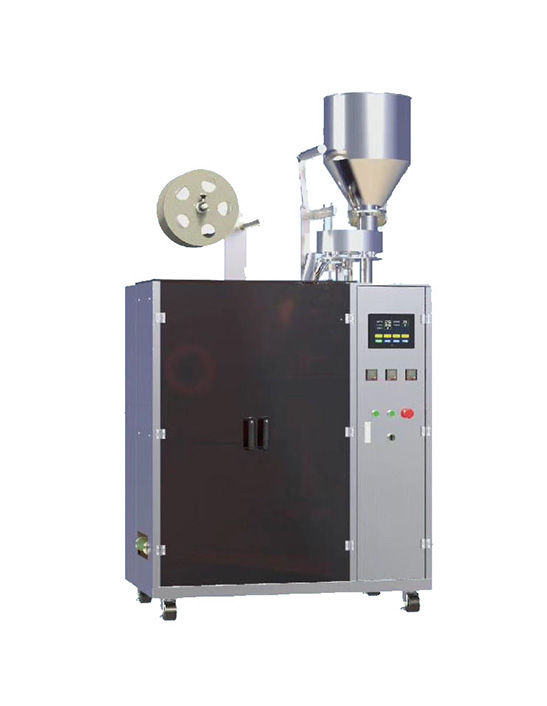
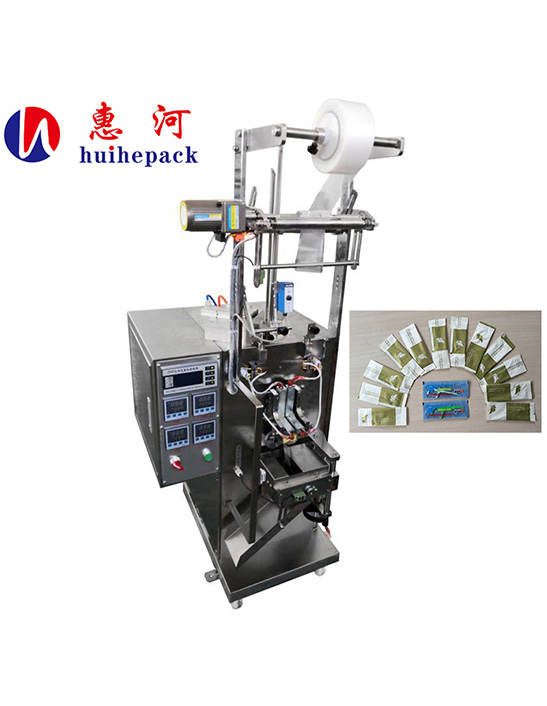
VFFS machines are among the most widely used powder packing systems worldwide. They work by pulling a flat roll of flexible film downward over a forming tube, creating a vertical bag shape, filling it with powder from above via an auger or volumetric filler, and heat-sealing the top and bottom seams. VFFS machines are highly versatile, capable of producing pillow bags, gusseted bags, quad-seal bags, and stand-up pouches. They are particularly well suited to dry, free-flowing powders such as spices, coffee, flour, and powdered drinks. Speeds range from 20 to over 120 bags per minute depending on fill weight and bag size.
Auger fillers use a rotating screw (auger) inside a cylindrical funnel to dispense precise volumes of powder into containers or bags. The auger pitch and rotation speed control the fill volume per cycle. This technology is particularly effective for fine, non-free-flowing, or slightly cohesive powders such as baking powder, talc, powdered sugar, spice blends, and pharmaceutical powders. Auger fillers offer excellent fill accuracy — typically within ±0.5% to ±1% — and can be integrated into pre-made pouch filling lines, canister filling lines, or VFFS systems. They are available as standalone semi-automatic units or as fully integrated components in high-speed automated lines.
For applications requiring high-speed weighing accuracy with free-flowing granular powders, multi-head combination weighers offer superior performance. These systems use multiple weighing buckets arranged in a radial pattern. The machine calculates which combination of buckets adds up to the target weight and simultaneously dumps those buckets into the bag below. While more commonly associated with snack foods and granules, multi-head weighers work effectively for coarser, free-flowing powders like protein granules, powdered seasoning mixes, and instant soup bases. They achieve speeds of 60 to 200+ weighments per minute with fill accuracy typically within ±1 gram.
Volumetric cup fillers dispense a fixed volume of powder per cycle using a series of rotating cups. They are simple, low-maintenance, and cost-effective for applications where exact weight accuracy is less critical and consistent volume is acceptable. Common applications include spice jars, sachet filling, and agricultural chemical powders. These machines are best suited to free-flowing, uniform powders with stable bulk density. Any variation in bulk density — due to temperature, humidity, or batch differences — will directly translate into fill weight variation, which is a significant limitation for regulated industries like pharmaceuticals.
When evaluating powder packing machines from different manufacturers, comparing the right technical parameters ensures you get a machine that genuinely meets your production requirements. The following table summarizes the most important specifications and what they mean in practice.
| Specification | What It Means | Why It Matters |
| Fill Range | Min–max weight or volume per fill cycle | Must cover your entire SKU range without needing different machines |
| Fill Accuracy | Deviation from target weight (± %) | Affects product giveaway, compliance, and quality consistency |
| Output Speed | Packages per minute at rated performance | Must match or exceed your required production throughput |
| Changeover Time | Time to switch between product or pack sizes | Critical for operations with multiple SKUs or frequent product changes |
| Dust Control | Enclosed filling heads, dust extraction ports | Essential for fine powders, operator safety, and facility cleanliness |
| Material Contact Parts | 316L SS, food-grade plastics, ATEX compliance | Determines suitability for food, pharma, or hazardous powder applications |
| Control System | PLC with HMI touchscreen, recipe storage | Ease of operation, data logging, and integration with plant systems |
Before specifying any machine, it is essential to characterize your powder thoroughly. Physical properties that directly affect machine selection include particle size, bulk density, flowability, moisture content, cohesiveness, and electrostatic behavior. Many procurement mistakes occur because buyers focus on machine specifications without first quantifying the powder's behavior under real filling conditions.
Powder packing machines are available across a broad spectrum of automation levels, from manual tabletop units used in small-scale production to fully automated lines capable of running 24/7 with minimal human intervention. The right automation level depends on your current production volume, growth projections, budget, and the complexity of your packaging format.
Semi-automatic machines require an operator to position bags, trigger filling cycles, and remove finished packages manually. They are appropriate for production volumes below approximately 500 kg per shift and offer low capital cost with good flexibility for small product ranges. Fully automatic machines handle bag forming or container positioning, filling, sealing, and discharge without operator involvement in the filling cycle itself. They are necessary for high-volume operations and are typically integrated with upstream powder conveying systems (pneumatic conveyors, screw conveyors, or big bag dischargers) and downstream checkweighers, metal detectors, case packers, and palletizers.
Modern powder packing machines increasingly feature Industry 4.0 connectivity, including OPC-UA data interfaces, real-time production reporting, remote diagnostics, and integration with MES (Manufacturing Execution Systems). These capabilities reduce downtime, improve traceability, and enable predictive maintenance — all of which contribute to lower total cost of ownership over the machine's operational life.
A powder packing machine's purchase price is only a fraction of its true cost over its operational lifetime. Buyers who focus exclusively on upfront cost often face higher total costs due to excessive product giveaway from poor fill accuracy, high spare parts consumption from wear-prone components, significant downtime during changeovers, and costly maintenance from machines without easy-access designs.
Regardless of how thoroughly you evaluate machine specifications on paper, direct engagement with potential suppliers is essential before committing to a purchase. The following questions will help you assess both the machine's suitability and the supplier's capability to support you through installation, commissioning, and long-term operation.

Copyright © Soontrue Huihe Automation Equipment (Shanghai) Co.,LtdAll Rights Reserved. Custom Packaging Machinery Manufacturers