Content
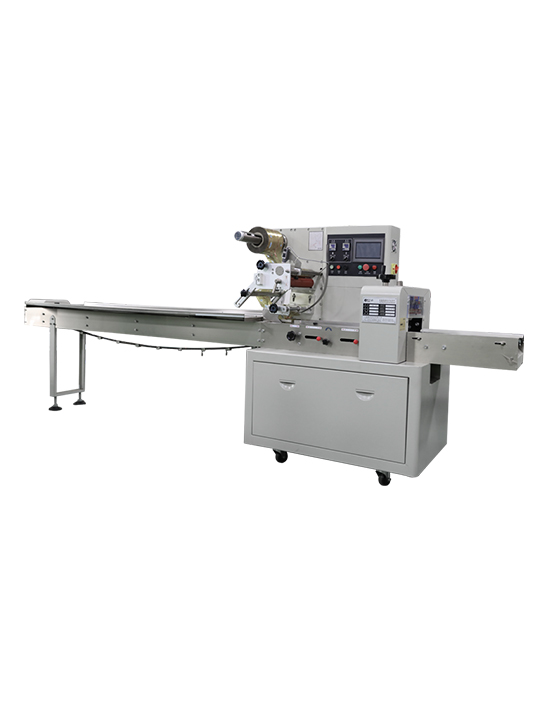
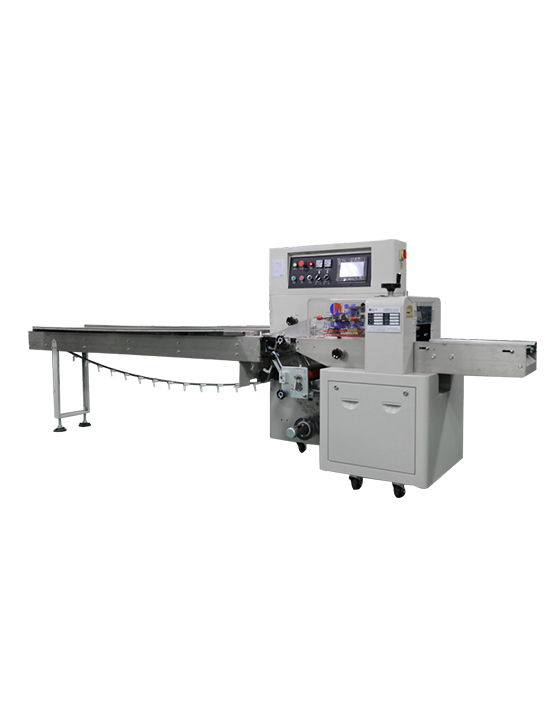
A horizontal packing machine is an automated packaging system in which products are fed horizontally into a wrapping or sealing mechanism, as opposed to being dropped vertically from above. This orientation makes the machine particularly well-suited for items that are rigid, fragile, irregularly shaped, or too long to be handled by vertical form-fill-seal equipment. Industries ranging from food processing and pharmaceuticals to hardware and consumer goods rely on horizontal packaging machinery to achieve fast, consistent, and secure product wrapping at scale.
The basic operating principle involves a product being placed — either manually or via an automated infeed conveyor — onto a horizontal platform. The machine then draws a continuous roll of packaging film around the product, forming a tight sleeve or pouch. Heat sealing bars close both ends of the package, creating an airtight or tamper-evident seal. The packaged product exits the machine on the opposite end, ready for labeling, boxing, or further processing. Depending on the model and configuration, a single machine can achieve output speeds of 30 to over 300 packages per minute.
Understanding the different categories of horizontal packing machines is essential before making any investment. Each type is engineered for specific product profiles, production volumes, and packaging materials.
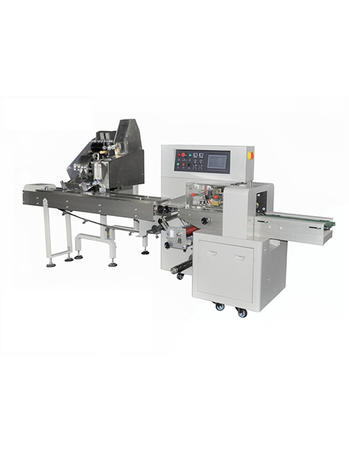
The flow wrapper is the most widely used horizontal packing format globally. It wraps products in a continuous film that forms a pillow-style pack with fin seals on three sides. Flow wrappers handle everything from candy bars and biscuits to medical devices and hardware components. They are available in servo-driven and mechanical versions, with servo models offering superior accuracy and faster changeover between product sizes.
HFFS machines form a pouch or tray from flat film, fill it with product, and seal it — all in a horizontal sequence. This type is commonly used in the fresh produce, meat, and ready-meal sectors where modified atmosphere packaging (MAP) is required to extend shelf life. HFFS systems can incorporate gas flushing, vacuum sealing, and multi-lane configurations for high throughput production environments.
Horizontal shrink wrappers bundle products — often multiple units together — inside a film sleeve, which is then passed through a heat tunnel that shrinks the film tightly around the contents. This is a preferred solution for multipacks of beverages, books, boxed goods, and industrial products that need to be grouped securely without individual rigid containers.
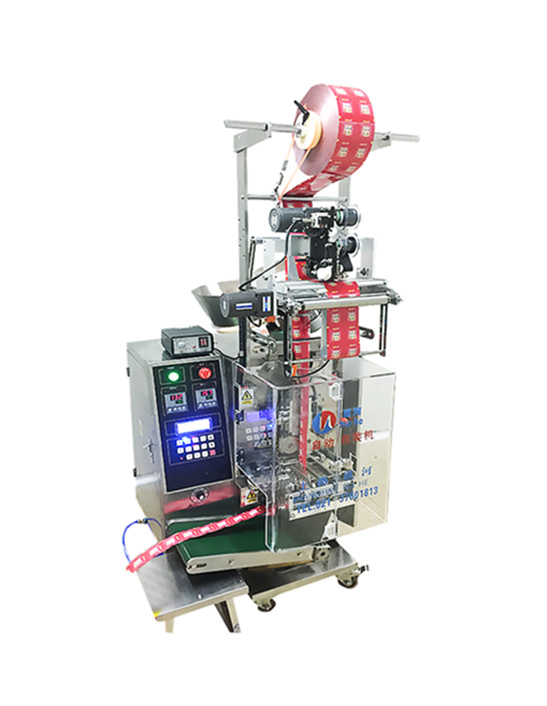
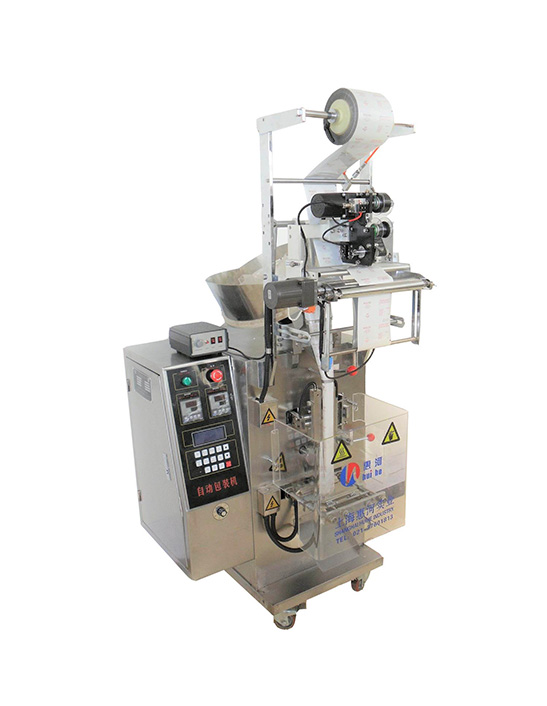
These horizontal machines are specialized for producing narrow, elongated sachets — commonly used for sugar, salt, coffee, powdered supplements, and pharmaceutical granules. They form, fill, and seal multiple lanes simultaneously, making them highly efficient for small-dose product packaging in high-volume settings.
Horizontal packing machines are not confined to a single sector. Their flexibility and adaptability have made them indispensable across a broad range of manufacturing environments.
When evaluating horizontal packing machines, the specification sheet is only a starting point. Knowing which parameters genuinely affect your operations helps you avoid costly mismatches between machine capability and production demands.
| Specification | What to Look For | Why It Matters |
| Packing Speed | 30–300+ packs/min | Must align with upstream/downstream line speed |
| Film Width Range | Adjustable min–max mm | Determines product size range the machine can handle |
| Sealing Temperature | Precise PID control | Affects seal integrity and film compatibility |
| Drive System | Servo vs. mechanical | Servo offers faster changeover and higher precision |
| Control Interface | HMI touchscreen, PLC | Simplifies operation, diagnostics, and recipe storage |
| Film Compatibility | OPP, PE, CPP, laminate | Must match your barrier, print, and sustainability needs |
| Changeover Time | Under 15–30 minutes ideal | Directly impacts uptime when running multiple SKUs |
Selecting the right horizontal packing machine requires a structured evaluation process that goes beyond comparing price tags. Several operational and strategic factors should guide the final decision.
Begin by documenting the physical characteristics of every product you intend to pack: dimensions, weight range, surface texture, fragility, and any temperature sensitivity. A machine optimized for wrapping chocolate bars will not reliably handle a loose cluster of fresh herbs. Having precise product specs in hand allows machine suppliers to recommend configurations that genuinely match your requirements rather than selling you a generic model.
Production volume projections should dictate the speed class of machine you consider. For small and medium enterprises producing fewer than 50 packs per minute, an entry-level servo flow wrapper provides excellent value without the complexity of high-speed industrial systems. For large-scale manufacturers targeting 200 or more packs per minute, multi-lane or twin-head horizontal machines with integrated rejection systems and remote diagnostics become a necessity.
The packaging film you use significantly affects machine configuration. Standard oriented polypropylene (OPP) is cost-effective and widely compatible, while high-barrier laminates for MAP applications require machines with specialized sealing systems. If your brand has committed to sustainable packaging, confirm that the machine can run recyclable mono-material films, which are thinner and require finer tension control than conventional multi-layer films.
The purchase price of a horizontal packing machine represents only a portion of its true cost. Spare parts availability, maintenance intervals, energy consumption, and operator training requirements all contribute to the total cost of ownership over the machine's operational lifespan — typically 10 to 20 years for well-maintained industrial equipment. Request a full cost breakdown from suppliers, including estimated annual maintenance costs and average downtime statistics for the model under consideration.
Modern horizontal packing machines are rarely standalone units. They are typically integrated into broader automated production ecosystems that include infeed conveyors, checkweighers, metal detectors, date coders, labeling systems, and case erectors. Ensuring your chosen machine has the correct communication protocols — such as OPC-UA, Ethernet/IP, or PROFINET — is critical for seamless integration with existing factory automation infrastructure.
Machine vision systems are increasingly being incorporated directly into horizontal packing lines to detect misaligned products, incomplete seals, or missing labels before they reach the end of the line. These systems reduce costly recalls and rework while providing real-time data for quality assurance reporting. When comparing machines, ask suppliers specifically about their vision system compatibility and whether the machine's PLC supports Industry 4.0 data exchange standards.
Even well-specified horizontal packing machines encounter operational challenges. Being prepared for the most frequent issues reduces unplanned downtime and extends equipment life.
The horizontal packing machine market features a range of manufacturers spanning entry-level to precision industrial grades. European brands such as Ilapak, Bosch Packaging (now Syntegon), and Coesia Group are renowned for engineering precision, hygienic design standards, and comprehensive global service networks. These manufacturers typically command a premium price but deliver machines with longer operational lifespans and superior seal quality consistency.
Asian manufacturers — particularly those based in China, Japan, and Taiwan — have significantly improved their quality standards over the past decade and now offer highly competitive flow wrappers and HFFS systems at lower price points. Brands such as Omori, Fuji Machinery, and a growing number of Chinese OEM suppliers provide viable options for mid-tier production environments where budget constraints are a primary consideration. Regardless of brand origin, always request a factory acceptance test (FAT) with your actual product before committing to a purchase.

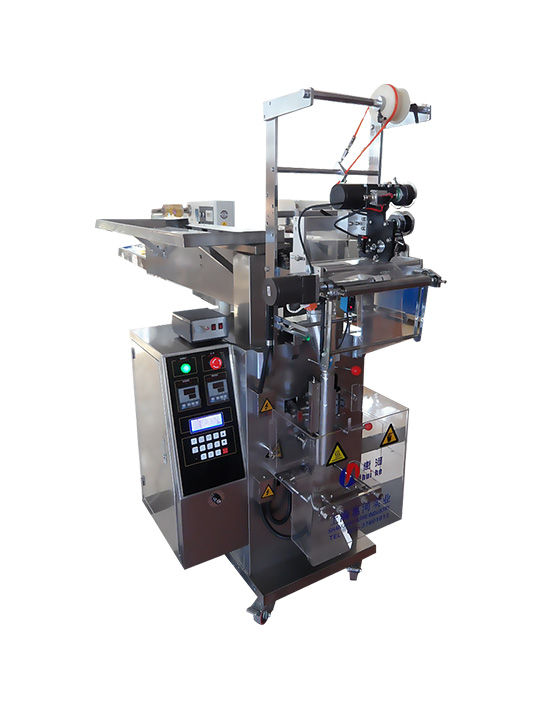
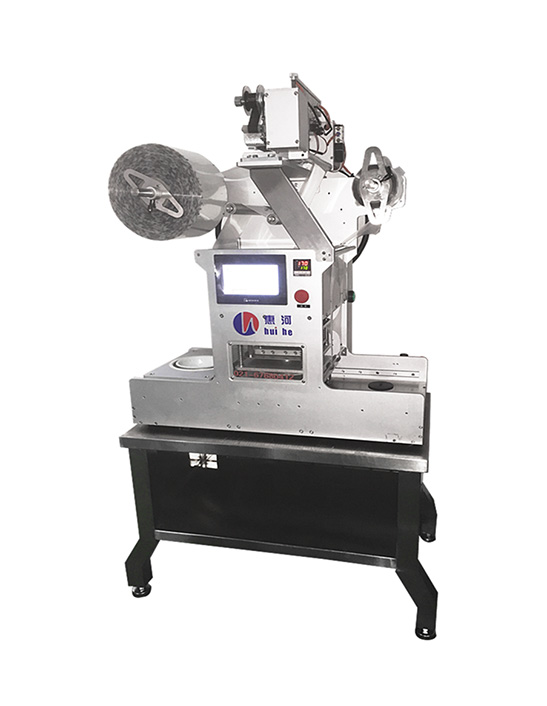
Copyright © Soontrue Huihe Automation Equipment (Shanghai) Co.,LtdAll Rights Reserved. Custom Packaging Machinery Manufacturers


 英语
英语 西班牙语
西班牙语 简体中文
简体中文