英语
英语 西班牙语
西班牙语 简体中文
简体中文Industry News
Home / News / Industry News / Food Packaging Machine Selection: Types, Specs, and What to Check Before Buying
Content
A food factory packing 5,000 pouches per shift rarely notices the cost of a poorly matched packaging line until the first busy season. Weights drift, seals fail on hot-fill days, and changeovers eat up half the production day.
The practical conclusion from packaging machinery supply is straightforward: choose a food packaging machine by fixing four parameters before reading brochures — product form, bag format, required output, and acceptable filling accuracy. Film type, sealing temperature, control interface, and after-sales terms come after those four are defined.
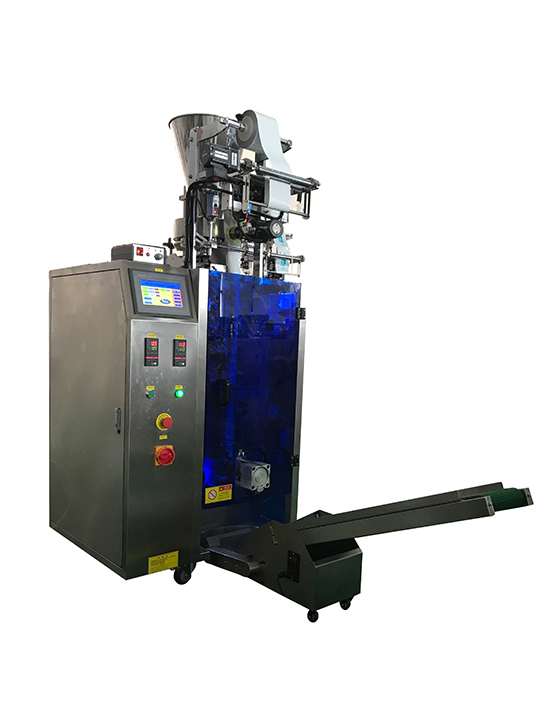
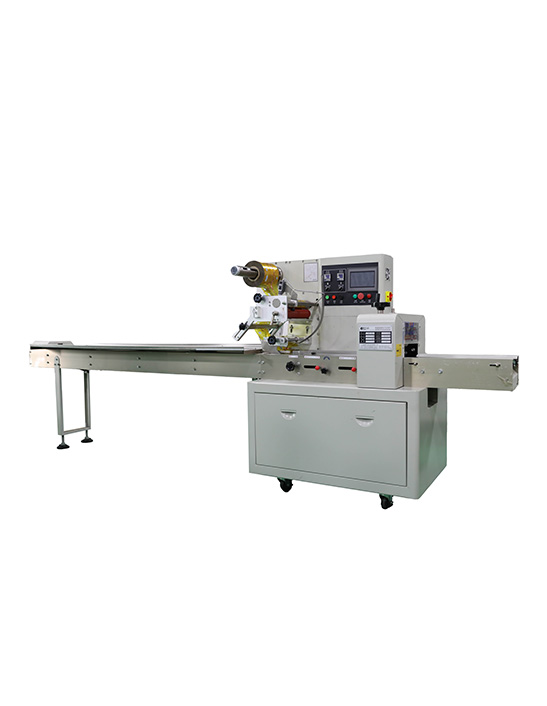
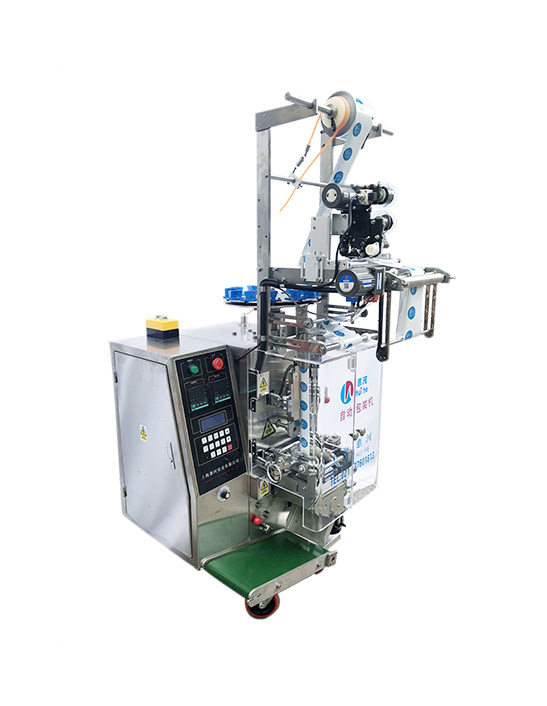
A food packaging machine automates the operations between bulk product and finished retail pouch. On a vertical form-fill-seal machine, the equipment forms a film into a tube, fills the dose through a forming funnel, seals the top and bottom of the pouch, and cuts it to length. On a horizontal flow-pack machine, the product is pushed into a forming box and the film is wrapped and sealed around it. On a premade pouch line, the machine opens a ready-made bag, fills it, and seals the top.
Every food packaging machine, whatever its layout, performs five basic functions:
The differences between machine models come down to how each function is executed for a specific food, which is why product form is the first filter.
Granules flow evenly, powders aerate and bridge, liquids drip and foam, and sticky pastes hold their shape. A dosing system that works for one form fails for another, so the machine family is decided by the food itself.
| Product form | Typical foods | Dosing / feeding system | Recommended machine family |
|---|---|---|---|
| Granules | Rice, sugar, snacks, nuts, coffee beans | Volumetric cup, linear weigher, combination weigher | Vertical form-fill-seal granule machine |
| Powder | Flour, milk powder, spices, drink mix | Auger / servo screw | Vertical form-fill-seal powder machine |
| Liquid / paste | Juice, oil, sauce, honey, jam | Piston pump, peristaltic pump | Liquid form-fill-seal or spout pouch machine |
| Tablets / capsules | Vitamins, supplements | Counting disc / tablet counter | Tablet packing machine |
| Whole or irregular items | Whole chicken, bread, fresh vegetables | Manual infeed or servo feeder | Horizontal flow-pack machine |
Use the table as a shortlist before comparing models. A granular product filled by a powder machine will get inconsistent doses; a liquid product on a granule machine will leak through the forming tube; an irregular whole product will not fit a narrow film tube. Match the machine family to the product form first, then compare pricing.
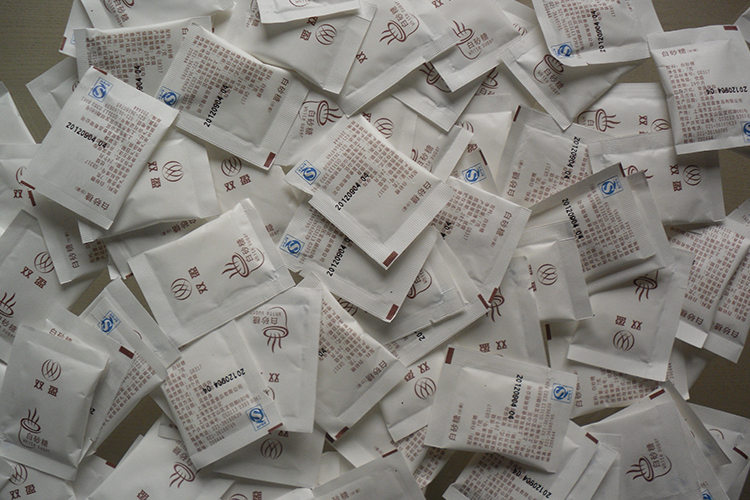
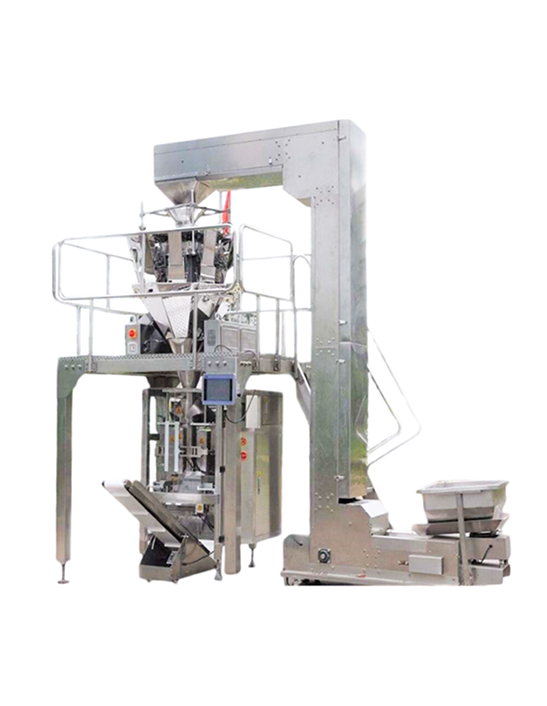
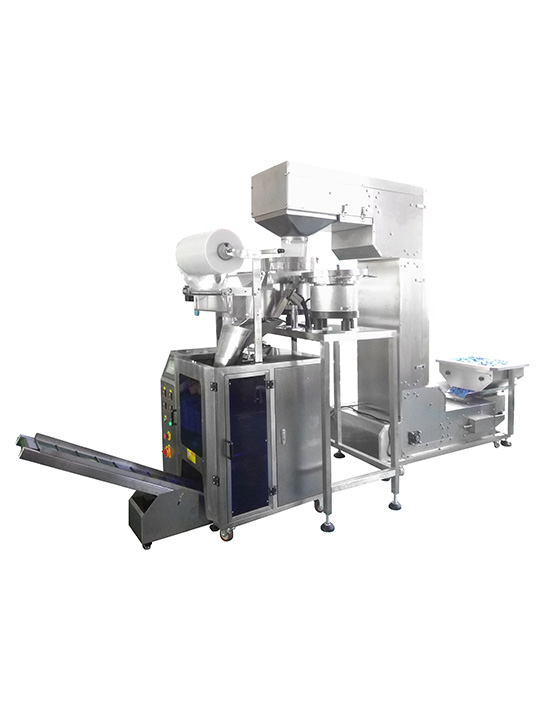
Granules are the easiest food form to package because they flow predictably and do not bridge inside the hopper. For uniform granules, a volumetric cup filler is adequate and low in cost. For irregular shapes like snacks, nuts, or frozen vegetables, a linear weigher or electronic combination weigher is better because it weighs each dose instead of relying on volume.
A vertical granule machine with a weigher typically holds ±1 to ±2 g accuracy for pouch weights between 20 and 500 g, at speeds from 30 to 90 bags per minute depending on the number of filling tracks.
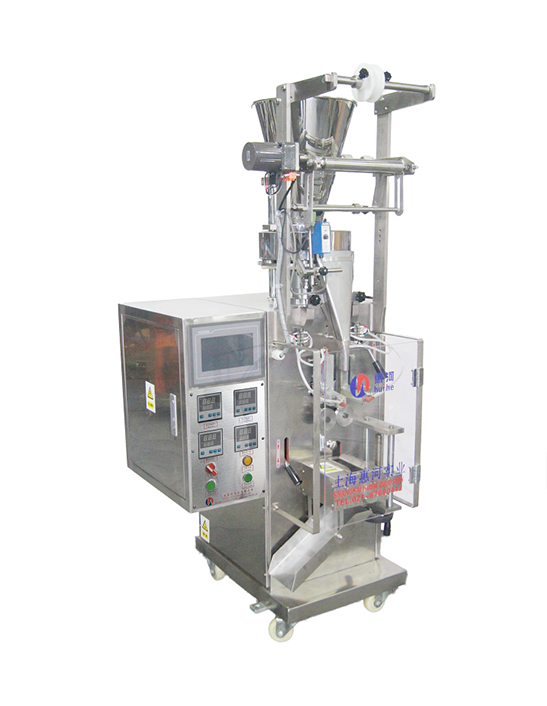
 DXDK-80Z High-Speed Granule Packing Machine with Servo ScrewThis vertical granule machine offers servo-driven metering for stable repeatability, suited for pouch weights of 20 to 500 g. It handles bag making, filling, sealing, and cutting with optional three- or four-side seals.View Product →
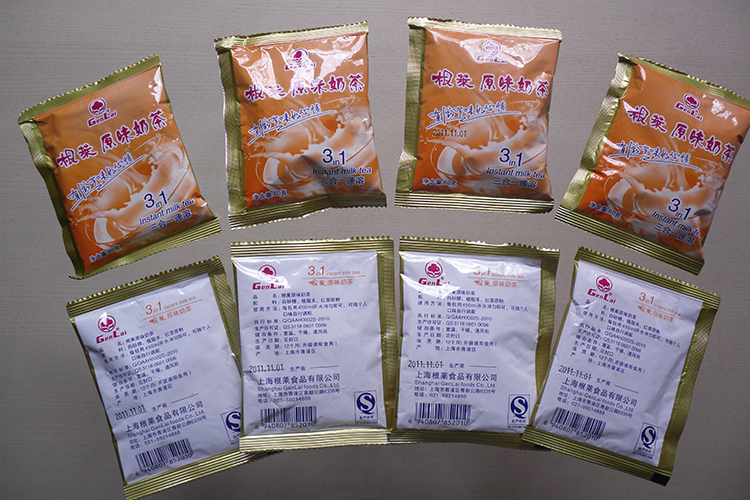
Powders behave differently because air trapped in the product makes the volume unstable. Flour, milk powder, spices, and drink mixes need auger or servo-screw dosing, where a rotating screw delivers a fixed volume per cycle. Good servo control keeps repeatability in the range of ±0.5 to ±1 g for common food powder weights.
Dust is the second issue. A powder machine should include dust-proof sealing around the hopper and forming tube, and the auger should stop reliably without overrun, otherwise the last few grams keep falling into the pouch after the machine stops.
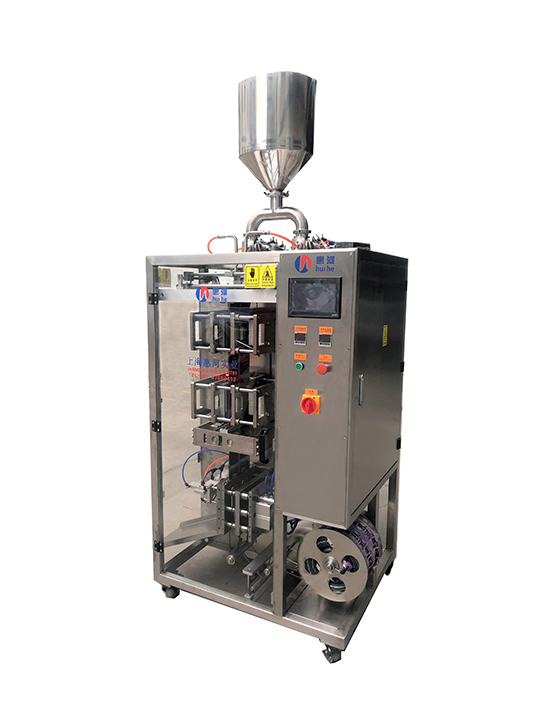
 Automatic Powder Packing Machine with 3 or 4 Sides SealDesigned for powders, this machine includes dust-proof sealing around the hopper and forming tube, plus controlled auger stopping to prevent overrun. It supports various packing materials and offers PLC control with failure warnings.View Product →
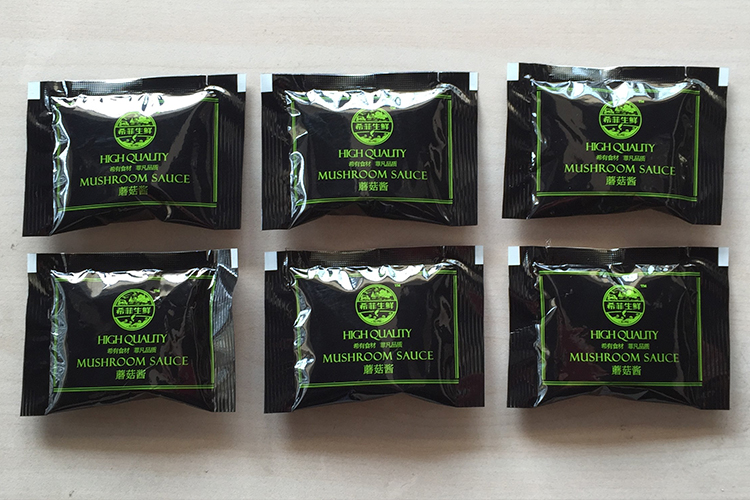
Liquids and pastes add three complications: dripping, foaming, and viscosity changes with temperature. Piston fillers suit thicker products such as jam, honey, tomato paste, and condiments because the piston displaces a fixed volume regardless of product resistance. Peristaltic or magnetic pump fillers suit thinner liquids such as juice, edible oil, and milk.
The most common failure on liquid packaging lines is contamination of the seal area. If the product touches the film where the jaws close, the heat seal will not bond. The machine needs suck-back at the nozzle, a drip tray, or a sealing device positioned to avoid the wet zone. Verify this with a test before purchase.
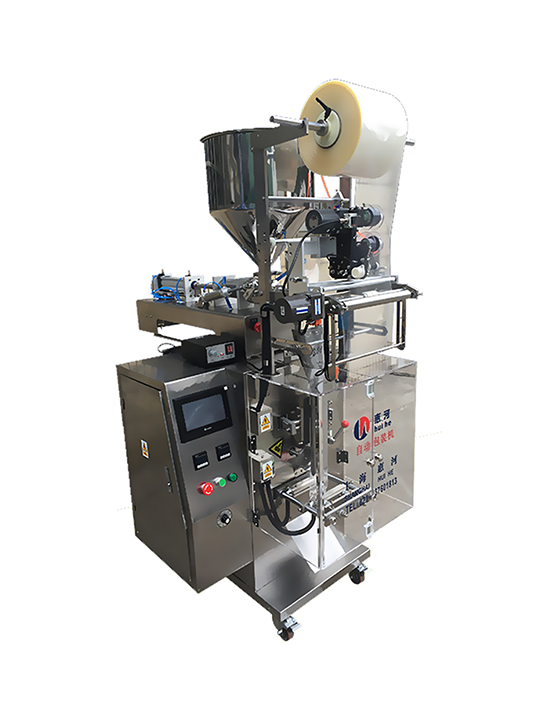
 Automatic Liquid Paste Packing Machine with 3 or 4 Sides SealThis packing machine addresses liquid and paste sealing challenges with options like suck-back or drip trays to prevent seal contamination. It provides computer-controlled bag length and separate PID temperature control for reliable operation.View Product →
Bag format determines the machine layout, film consumption, and how the product is displayed on the shelf. Decide the format first because it limits which machines can be used.
For a fuller comparison of pouch formats and the machines that produce them, see our overview of the common types of pouch packaging machines.
Speed is quoted in bags per minute, but the figure only holds under specific conditions. A machine rated at 60 bags per minute on free-flowing granules can drop to 40 per minute on sticky, dusty, or irregular product, so compare machines using your own food.
Five specifications matter most:
A workable baseline for a small or mid-size food business is 30 to 60 bags per minute, ±1 to ±2 g accuracy for 20 to 500 g pouches, and a machine that accepts film rolls of at least 200 mm width to allow bag size flexibility.
Most packaging machine problems are not mechanical failures; they are specification failures that appear only when the machine runs on real product. These are the mistakes we see most often.
A structured purchasing checklist helps avoid these problems; our guide to buying a suitable packing machine for food products walks through the key steps in detail.
Selecting a food packaging machine comes down to matching the dosing system, bag format, and line speed to the food you actually produce. Start with the product form, verify the specifications with a product test, and confirm spare parts and service terms before you sign. The right machine does not need to be the fastest or the cheapest; it needs to run your product day after day at the accuracy your brand promises.
Copyright © Soontrue Huihe Automation Equipment (Shanghai) Co.,LtdAll Rights Reserved. Custom Packaging Machinery Manufacturers