英语
英语 西班牙语
西班牙语 简体中文
简体中文Industry News
Home / News / Industry News / China Packaging Machine Buying Guide: Key Evaluation Criteria for Factories
Content
When a contract manufacturer in the food industry contacted us about a new packaging line, they had already received three quotes from Chinese suppliers. The differences between the quotes were not in price, but in the type of film, sealing temperature range, and changeover time. A practical guide to buying a suitable packing machine for food products shows how often these technical details decide whether a line runs at 80% or 50% efficiency.
The lesson is simple: a China packaging machine is an investment in production output. The following sections highlight the evaluation points that matter in practice.
Before comparing speed or price, define what your machine will run. The same packaging principle does not work for free-flowing granules, fine powders, and viscous pastes. Each product form requires different dosing, filling, and sealing methods. A mistake at this stage usually leads to frequent jams, inaccurate fill weights, or poor seal integrity.
Granules, such as sugar, rice, nuts, and pet food, often move well by gravity and can be measured with a combination weigher or volumetric cup. Their flow properties allow vertical form-fill-seal machines to reach high speeds without compromising accuracy.
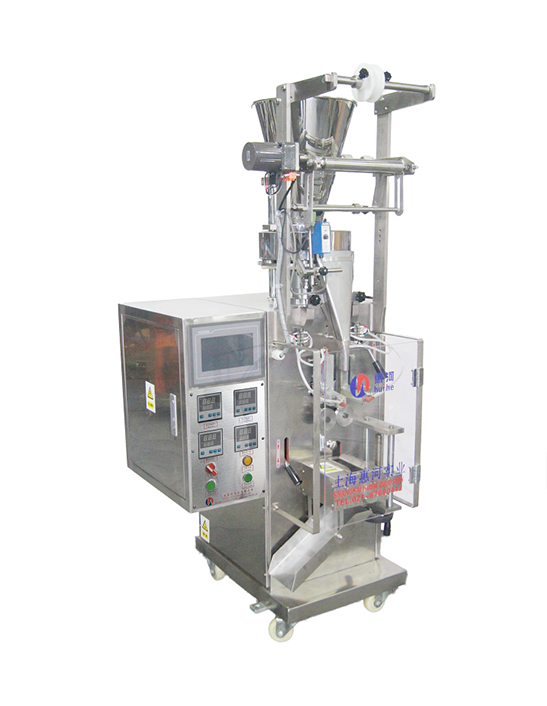
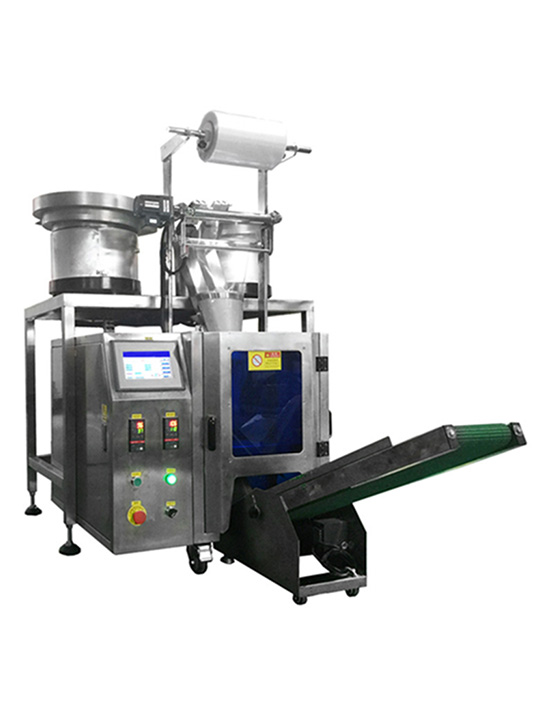
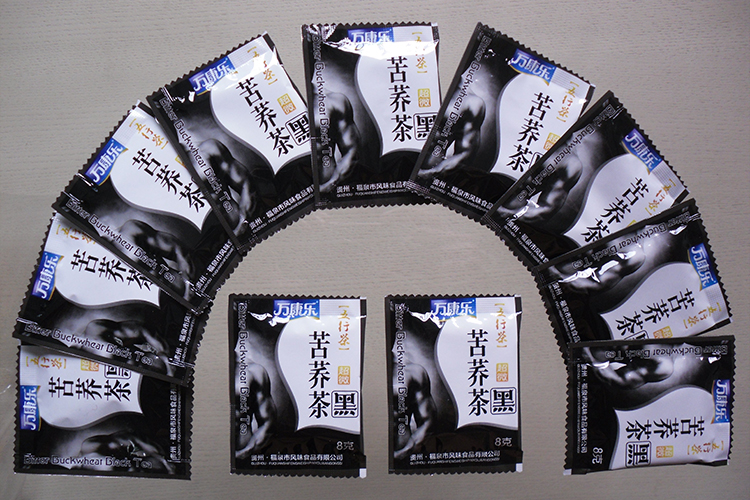 Automatic Granule Packing Machine for 3 or 4 Side Seal BagsThis machine handles granules like sugar, rice, and nuts with gravity feeding and precise weighing. It performs bag making, filling, sealing, and cutting in one unit, controlled by PLC and step motor for accurate bag length and stable operation.View Product →
Powders, such as milk powder, flour, and spices, are more challenging. They bridge, dust, and settle differently depending on humidity and particle size. An auger filler or servo-driven dosing system is often required to maintain consistent weight.
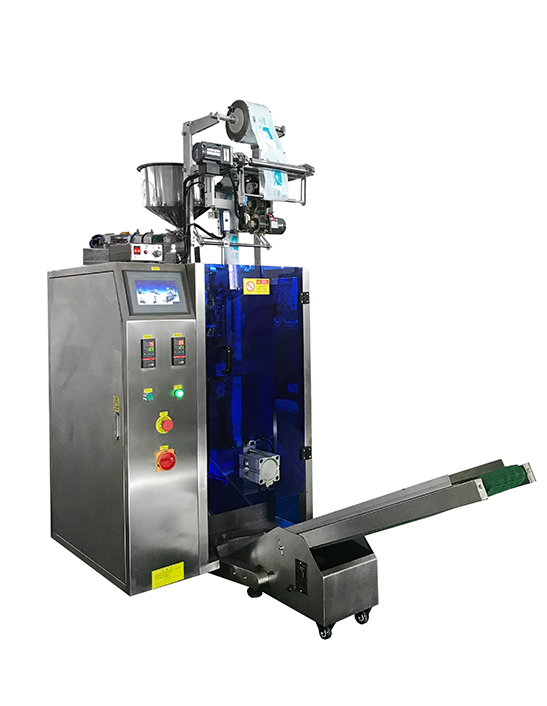
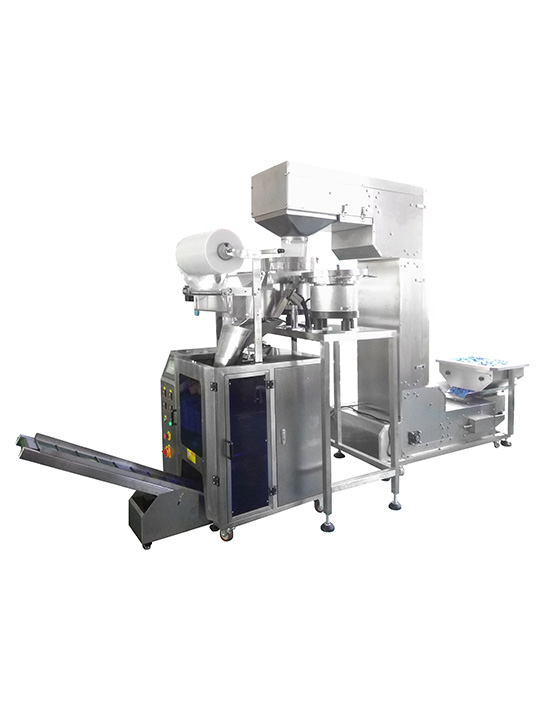
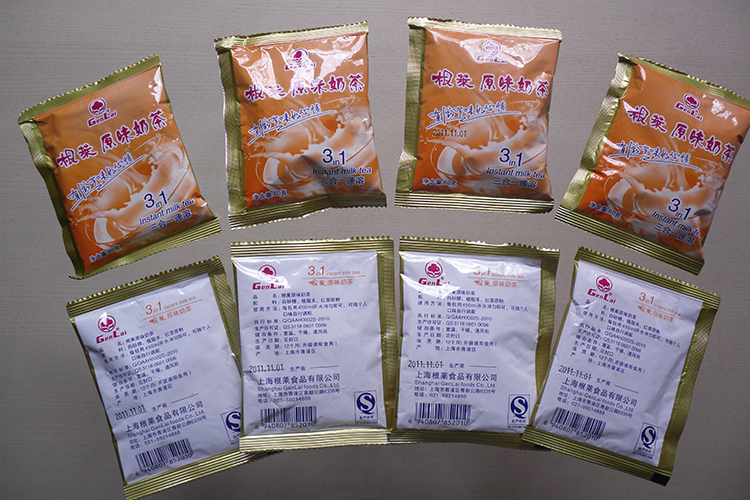 Automatic Powder Packing Machine for 3 or 4 Side Seal BagsDesigned for difficult powders such as milk powder and spices, this machine uses auger or servo dosing to ensure consistent weight. It includes PLC control, PID temperature regulation, and 304 stainless steel construction for durable, hygienic packing.View Product →
Liquid and paste products, like sauces, honey, and shampoo, need a different approach. The filling chamber must be sealed to prevent leakage, and the film structure must suit the product's viscosity and temperature at filling. For these products, horizontal or vertical liquid packaging machines with back-side seal or four-side seal formats are common.
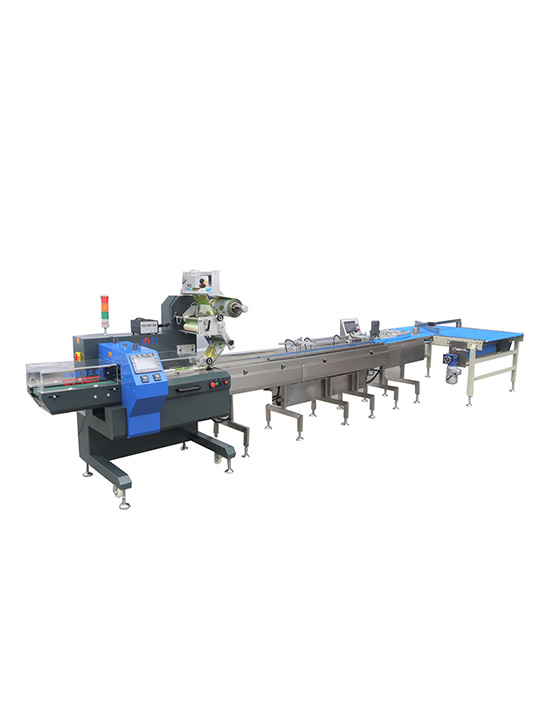
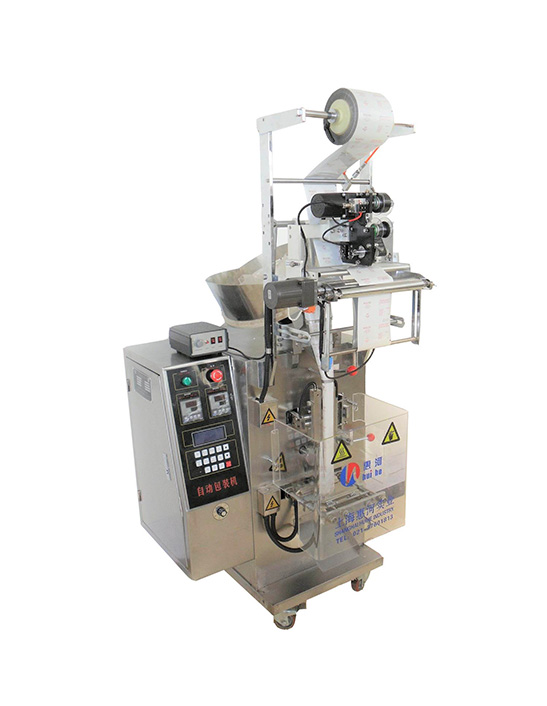
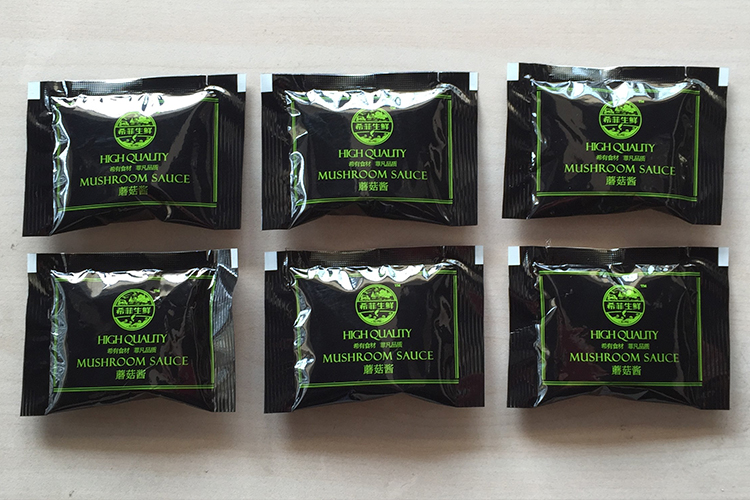 Automatic Liquid and Paste Packing Machine for 3 or 4 Side Seal BagsIdeal for sauces, honey, and shampoo, this machine features a sealed filling chamber and adjustable temperature control to handle various viscosities. It supports multiple seal types and optional devices, helping you match automation to your labor needs.View Product →
Your labor situation decides how much automation you should buy. A semi-automatic machine may be the right choice for a low-volume, flexible operation. A full automatic line becomes necessary when you run multiple shifts and want to minimize manual handling.
| Factor | Semi-Automatic | Fully Automatic |
|---|---|---|
| Typical speed | 10–30 ppm | 40–80+ ppm |
| Labor per machine | 1–2 operators | 0.5–1 operator |
| Ideal production volume | Smaller batches | Continuous, high-volume runs |
| Changeover effort | Simple and fast | More complex but programmable |
| Initial investment | Lower | Higher |
Beyond the decision between semi and full automatic, think about the packaging format. Four-side seal, back seal, pillow bag, and stand-up pouch each require different film paths and sealing jaws. The correct format is not a preference; it is a function of your product's shelf-life, display requirements, and downstream handling.
After the machine type is selected, the next step is to verify the build quality. Two machines with the same nominal speed can produce very different results. Examine the material used for product-contact parts. In food and pharmaceutical applications, 304 stainless steel is the standard, while 316 L is preferred for highly corrosive products. The sealing system must handle the film structure you plan to use. For example, laminated films with PE, PET, or aluminum layers have different heat-seal requirements; the temperature controller and dwell time should be adjustable within a practical range.
Also check the bag former or forming tube. A poorly finished former causes film tracking issues and uneven seals. The cutting system should be able to maintain a clean edge at the running speed. If you plan to switch products frequently, look for quick-change components that reduce changeover time.
A China packaging machine is not a one-time purchase. Downtime is the real cost. Confirm the supplier's response time for remote troubleshooting, the availability of common spare parts, and whether they provide on-site installation and training. A supplier with local offices or agents reduces the risk of long waits for repairs.
When a buyer evaluates multiple Chinese factories, ask for a list of machines the supplier has delivered to comparable countries. The ability to share videos of running tests, technical drawings, and arrangements for third-party inspection is a minimum requirement.
The initial price of a China packaging machine is often 30% to 50% lower than comparable equipment from Western suppliers. That price advantage, however, only makes sense when the machine produces at the required efficiency, consumes film without excessive waste, and requires no more maintenance than budgeted. The calculation should include:
Total cost of ownership is the number that should drive the decision, not the purchase price alone. A low-cost machine that creates frequent downtime will cost more in a year than a well-configured one.
Before you send another inquiry, write down your product specifications, target speed, bag size, and the ambient conditions in your factory. Use these to filter suppliers. If you have already compared a few machines from different Chinese manufacturers, check the seal quality, the material handling approach, and the support network. A successful China packaging machine purchase starts with knowing what your production line actually needs.
Copyright © Soontrue Huihe Automation Equipment (Shanghai) Co.,LtdAll Rights Reserved. Custom Packaging Machinery Manufacturers