英语
英语 西班牙语
西班牙语 简体中文
简体中文Industry News
Home / News / Industry News / Granule Packaging Machine Buying Guide: Types, Accuracy, Speed, and Maintenance
Content
Imagine a small food processor whose team spends every afternoon hand-filling kraft bags with sugar or coffee beans. Each bag is a little underweight or overweight, the seal line puckers, and the line speed depends on who is doing the work. A granule packaging machine replaces that inconsistency with a repeatable process: it meters the product, forms a film into a bag, drops the granules in, seals the bag, and cuts it off. Whether you pack grains, seeds, snack pellets, or plastic granules, the right machine improves accuracy, raises output, and removes a tedious manual step. This guide explains how granule packaging machines work, compares common bag styles, and lists the practical points to check before you commit to a purchase.
Most granule packaging machines are vertical form-fill-seal (VFFS) systems. The film is pulled from a roll, wrapped around a forming tube, and sealed longitudinally to create a vertical tube. A cross seal closes the bottom of the tube, a metering device drops the product into the tube, and then the machine draws the film down, makes the top seal, and cuts the bag free. This single continuous cycle is why VFFS machines are widely used for free-flowing granular materials.
The key difference between models is how they measure the product. Volumetric cup fillers use a cup of fixed volume, which is fast but can be inaccurate when granules settle differently. Weighing fillers use a hopper and load cell to hit a target weight, which gives better accuracy. Multihead weighers combine many small weighments to achieve both high speed and precision. For granules that are dusty or fragile, a gentler transfer path matters more than for hard pellets.
You should also consider the film. A granule packaging machine must handle the film thickness, moisture barrier, and seal temperature required by your package. If you change bag films often, look for a machine with easy film-tension adjustment and quick seal-die changes.
Granule packaging machines form several bag styles, and your choice affects cost, shelf appeal, and line speed.
The table below summarizes the main differences.
| Bag style | Seal pattern | Key advantage | Typical products |
|---|---|---|---|
| 3/4-side seal | Vertical and horizontal seals | Flat, stable pack; good for retail display | Snacks, spices, coffee |
| Back-side seal | Longitudinal fin/lap seal | Simple film path; faster cycling | Sugar, rice, grains |
| Round-corner bag | Sealed edges with rounded cut | Premium look, softer feel | Dried fruit, pet treats |
When you compare machines, ask how quickly the changeover can be done. A machine that handles multiple bag sizes and film widths will give you more flexibility. Also check the material of the seal jaws, because granules can get trapped in the seal area and cause weak seals over time.
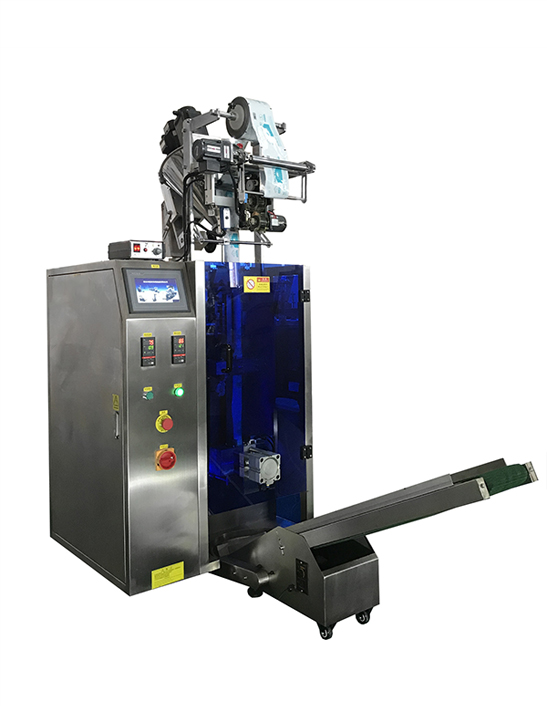
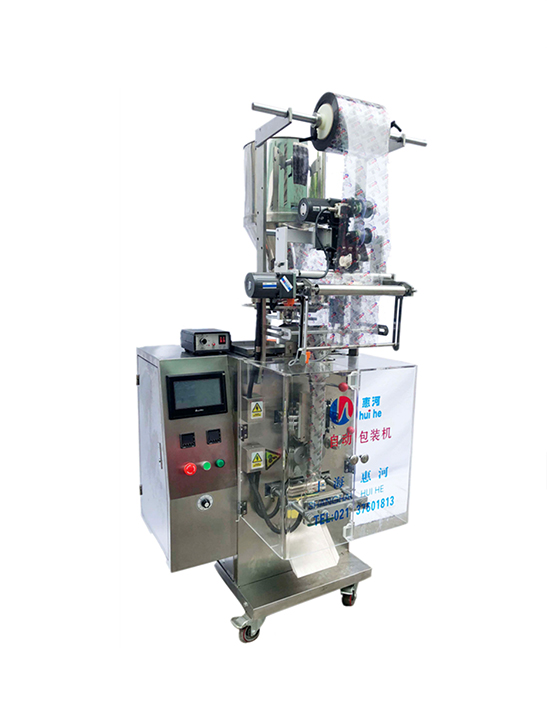
 Automatic Granule Packing Machine with 3 or 4 Sides SealThis machine combines bag making, measuring, filling, sealing, cutting, and counting in one unit. It offers flexible bag length control and multiple seal styles, suitable for various granule packaging needs.View Product →
Choosing a granule packaging machine should start with your product, not the brochure. Here are the points we ask every customer to define.
If possible, send a sample of your granules to the manufacturer for a test. This is the only reliable way to check actual accuracy, speed, and seal integrity before signing an order. Also ask about installation, training, and spare parts availability. A machine that is well supported will stay productive far longer than one that is slightly cheaper.
Granule packaging machines are used across very different industries because the material handling principle is the same: meter a dry, free-flowing solid into a sealed package.
In each case, the machine provides three benefits. First, consistency: every bag has the same weight and seal quality, which protects brand trust. Second, speed: one machine can replace several manual packers. Third, hygiene: the operator can be separated from the product, which matters in food and pharma. For retail packs, a clean bag shape also improves how the product looks on the shelf.
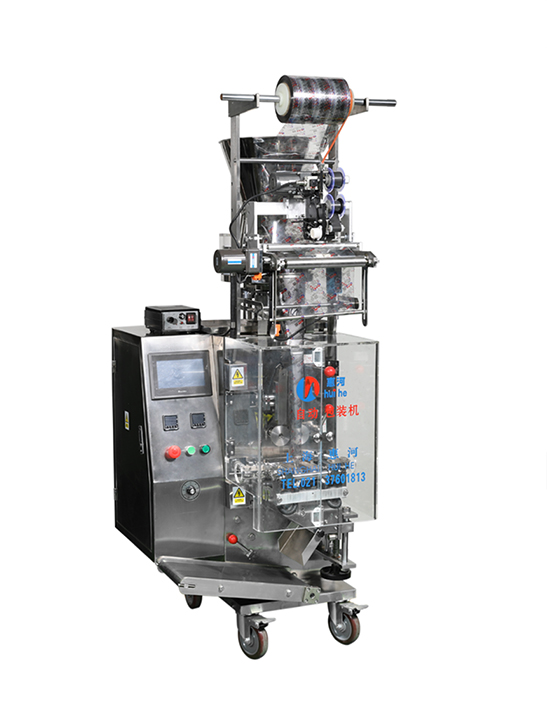
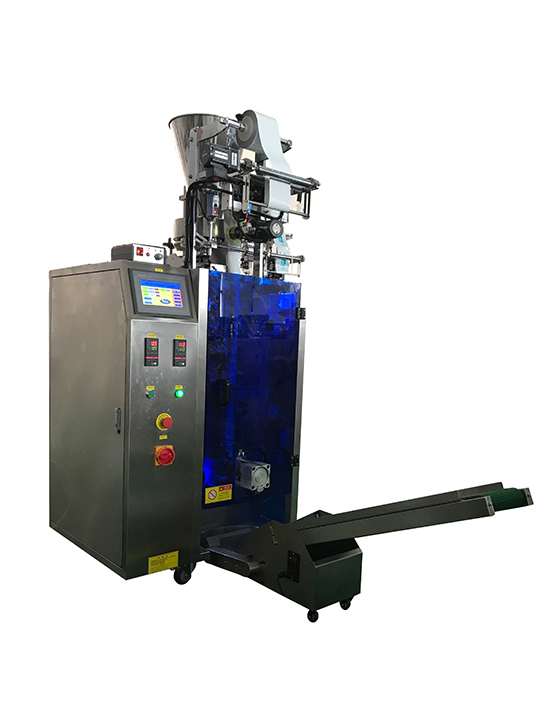
 DXDYK-300B Round Corner Granule Packing MachineThis round corner granule packing machine provides consistent bag weight and seal quality through PLC control. It supports different bag types and metering methods, ensuring fast, hygienic packaging for food or pharma products.View Product →
Even a well-built granule packaging machine will drift out of adjustment if you ignore regular service. Some of the most common issues we see in granule packing lines are:
Proper upkeep is very different from troubleshooting a breakdown. For a step-by-step guide to daily checks, see this vertical packing machine maintenance guide. The principle is simple: prevent problems before they stop the line.
Manufacturers with real experience expect you to ask for a trial. Send a few kilos of your actual granules, specify your target bag size and film, and ask for a documented test result. The trial should confirm:
A trial also gives you a chance to see how stable the machine is and whether the operator interface is practical. Once you have those numbers, compare them against your production plan, not just against the price tag. A granule packaging machine is a long-term production tool; choose one that your team can run reliably day after day.
We hope this guide gives you a clear starting point. The right machine will pay for itself in reduced labor and product loss, and it will give your customers a consistently packed product.
Copyright © Soontrue Huihe Automation Equipment (Shanghai) Co.,LtdAll Rights Reserved. Custom Packaging Machinery Manufacturers