Content
A granule packing machine is an automated or semi-automated system designed to measure, fill, and seal granular products into bags, pouches, sachets, bottles, or other containers at defined weights or volumes. Granular products span an enormous range — sugar, salt, coffee, spices, fertilizer, plastic pellets, pharmaceutical granules, pet food, seeds, detergent powder, and hundreds of others — but they share a common packaging challenge: achieving accurate, consistent fill weights at production speeds that manual operations cannot match, while maintaining product quality, hygiene, and shelf-life protection.
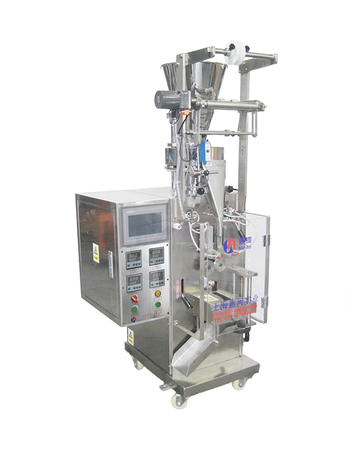
Despite significant variation in format, scale, and automation level, virtually all granule packing machines execute the same fundamental process sequence. Understanding this sequence is the foundation for evaluating any specific machine configuration.
Granular product is fed from a bulk storage hopper into the machine's measuring or weighing system. The feeding mechanism must maintain a consistent, controlled flow rate — too fast causes overfill and weighing inaccuracy; too slow creates production bottlenecks. Common feeding mechanisms include vibratory feeders (for fragile or irregular granules), screw conveyors (for dense or sticky products), belt feeders, and gravity chutes (for free-flowing granules with consistent bulk density).
The measuring stage determines how much product goes into each pack. This is the most technically differentiated step across machine types — the choice of measuring technology drives accuracy, speed, and suitability for different granule characteristics. The primary measurement methods are volumetric (cup fillers, auger fillers) and gravimetric (linear scales, multihead weighers, checkweighers). Full details on each are covered in the technology section below.
In vertical form-fill-seal (VFFS) machines — the dominant format for granule packaging — the packaging film is unwound from a roll, formed into a tube around a forming collar and fill tube, sealed along its vertical seam, and then sealed and cut at the bottom to create the base of each bag. This forming process happens continuously and in synchronization with the filling cycle. Pre-made pouch machines skip this step — they use pre-formed bags fed from a magazine rather than forming from film.
The measured or weighed product dose is discharged into the formed bag or pre-made pouch through the fill tube or directly via a chute. For VFFS machines, filling and bag forming happen in an integrated, continuous cycle. Fill speed — measured in bags per minute (bpm) — is the primary production throughput metric and varies enormously: simple single-head machines may achieve 20–40 bpm; high-speed multihead systems can exceed 200 bpm for small packs.
The top of the filled bag is sealed — typically by heat sealing, ultrasonic sealing, or zip-lock closure — and cut from the continuous film web (in VFFS machines) to produce a finished, sealed package. Seal integrity is critical: a weak or incomplete seal allows moisture ingress, oxidation, or product leakage during distribution. Seal jaw temperature, dwell time, and pressure are the three variables that determine seal quality and must be validated for each film specification.
Finished packs are conveyed to checkweighing (in-line weight verification), metal detection, date coding, labeling, and case packing systems as required by the production line configuration. Modern granule packing lines integrate all these downstream functions into a single automated system with centralized HMI control and production data logging.
Granule packing machines are categorized primarily by their bag-forming approach, automation level, and the package format they produce. Each configuration has distinct advantages for specific products, pack sizes, and production environments.
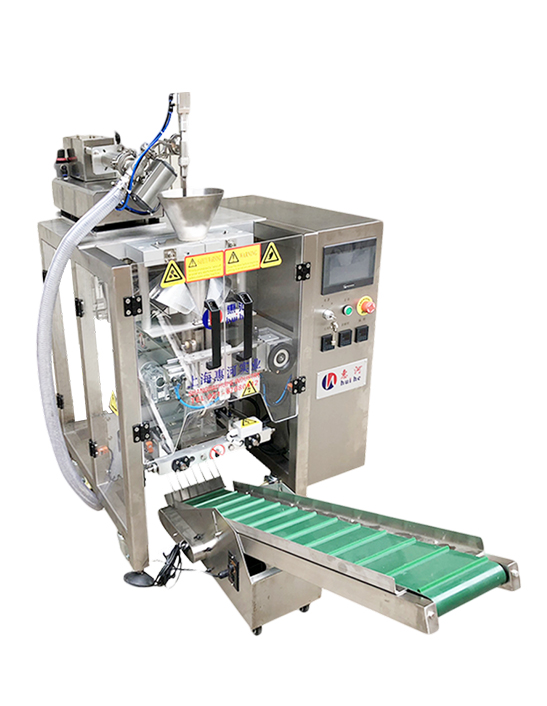
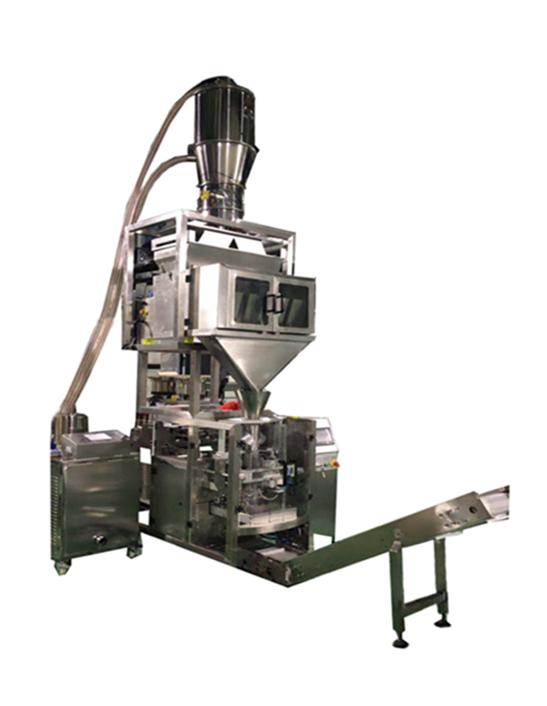
VFFS machines are the most widely used granule packing format globally, accounting for the majority of installed capacity in food, agriculture, and chemical packaging. They form bags from a continuous roll of flat packaging film, fill them from above, and seal and cut them — all in a single vertical motion. VFFS machines are highly versatile: by changing the forming collar and adjusting the film width, the same machine can produce pillow bags, gusseted bags, flat-bottom bags, and quad-seal bags across a wide range of pack sizes. Production speeds of 60–200+ bags per minute are achievable for free-flowing granules with multihead weighing systems. VFFS is the format of choice for sugar, salt, coffee, snacks, frozen vegetables, pet food, and agricultural seeds.
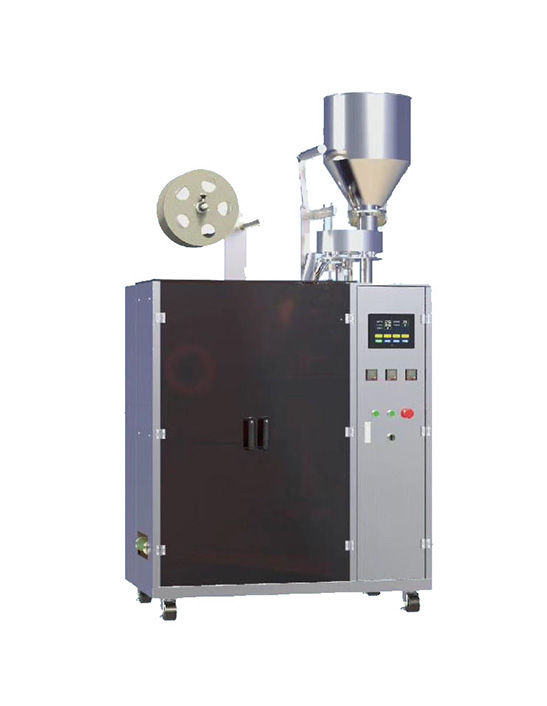
HFFS machines form pouches horizontally from a flat web or two separate film layers, fill them via a side or top inlet, and seal them. They are commonly used for sachets, stick packs, and flat pouches — particularly for single-serve applications (instant coffee, sugar sachets, spice sachets, pharmaceutical granule sachets). HFFS systems typically run at lower speeds than VFFS but offer greater flexibility in pouch design and are better suited to precise small-volume fills where product presentation is important.
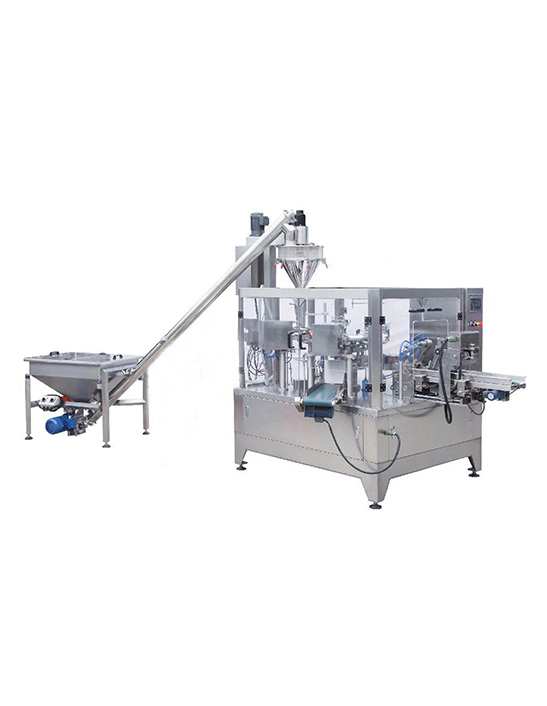
Pre-made pouch machines fill and seal pre-formed bags fed from a magazine — they do not form packaging from film. This format is preferred when the bag design is complex (stand-up pouches with zippers, handles, or spouts), when premium presentation is required, or when low to medium production volumes make the film-forming investment unjustifiable. Pre-made pouch machines are common in premium food, pet food, and personal care applications where the bag itself is a marketing element.
For large-format packaging — 5 kg to 50 kg bags for fertilizer, animal feed, construction materials, and bulk chemicals — open-mouth bag fillers fill pre-made open-top bags on a filling spout and then close them by sewing, heat sealing, or pasting. These machines handle significantly higher fill weights per cycle but at lower cycles per minute. Gross-weight filling (weigh the bag plus product) or net-weight filling (weigh the product dose before filling) are both used depending on accuracy requirements and product characteristics.
While more commonly associated with powder filling, auger fillers are also used for fine or semi-granular products where volumetric control via screw rotation provides adequate accuracy. A rotating auger screw inside a fill tube dispenses a defined volume per rotation. Auger fillers are well-suited to products with consistent bulk density and relatively small pack sizes. They are the standard format for pharmaceutical granule packaging, spice filling, and cocoa or coffee filling where gentle product handling is important.
The weighing or measuring system is the most performance-critical component of any granule packing machine. The choice of technology determines fill weight accuracy, production speed, and the total cost of product giveaway — the excess product filled above the nominal weight to ensure regulatory weight compliance. Even a 1% reduction in average giveaway on a high-volume line can save tens of thousands of dollars annually in product cost.
The most accurate and highest-speed weighing technology available for granule packing. A multihead weigher — typically with 10, 14, 16, or 24 weighing heads arranged in a circle — simultaneously holds product portions in each head and uses a computer algorithm to identify the combination of heads whose total weight is closest to the target weight. This combinatorial calculation happens in milliseconds and produces fill accuracy typically within ±0.5–1.0 g for a 100 g target weight — far superior to single-head or volumetric methods. Multihead weighers are the technology of choice for high-value food products (snacks, frozen vegetables, fresh produce, confectionery) where giveaway directly impacts profitability. Their primary limitation is cost — a quality multihead weigher represents a substantial capital investment — and they are less suitable for sticky, wet, or very fine granules that can bridge or clump on the weigh heads.
A single load cell measures each product dose before discharge. Simpler and lower-cost than multihead weighers but slower — one measurement per cycle versus the simultaneous multi-combination approach. Accuracy is good (typically ±1–2%) but not comparable to multihead systems. Linear weighers are standard for medium-accuracy applications: sugar, salt, nuts, pet treats, and other products where fill accuracy requirements are moderate and budget constrains multihead investment.
A rotating cup or disc mechanism measures product by volume rather than weight. Simple, fast, and low-cost — but accuracy depends entirely on the product's bulk density consistency. Products with variable bulk density (caused by moisture variation, particle size inconsistency, or air entrapment) will show significant fill weight variation with volumetric systems. Volumetric cup fillers are appropriate for products with very consistent bulk density — uniform plastic pellets, standardized granular detergent, dried grains — and for applications where regulatory weight tolerance is relatively wide.
Checkweighers are installed downstream of the packing machine to weigh each finished pack and reject those outside the specified weight tolerance. They do not determine fill weight — that is the upstream machine's function — but they provide 100% weight verification and automatic rejection of non-compliant packs before they reach distribution. In regulatory terms, a calibrated in-line checkweigher is often required by food labeling regulations to demonstrate weight compliance across production. Modern checkweighers provide production statistics (mean fill weight, standard deviation, rejection rate) that enable real-time process optimization of the upstream filler.
The packaging film or bag material must be compatible with the machine's sealing system, forming system, and the product's barrier requirements. Selecting incompatible film for a VFFS machine is one of the most common causes of sealing failures, film breaks, and production downtime.
Granule packing machines serve virtually every manufacturing sector that handles particulate or granular products. The specific machine configuration, accuracy requirements, hygienic design standards, and packaging formats vary significantly by industry.
The largest market for granule packing equipment. Sugar, salt, rice, coffee, tea, spices, snack foods, dried fruits, nuts, breakfast cereals, instant noodles, and frozen vegetables are all packaged on granule packing lines. Food-grade machines must comply with FDA 21 CFR, EU food contact material regulations, and GMP hygienic design standards — including stainless steel product-contact surfaces, tool-free disassembly for cleaning, and IP65 or higher ingress protection for washdown environments.
Pharmaceutical granule packing — for oral granule sachets, effervescent tablets, dry powder inhalation (DPI) preparations, and nutritional supplements — demands the highest accuracy and hygiene standards of any granule packing application. Machines must meet cGMP (21 CFR Part 211) requirements, be qualified (IQ/OQ/PQ), and provide full electronic batch records with audit trail capability under 21 CFR Part 11. Fill accuracy requirements are typically ±1–2% for OTC products and ±0.5% or tighter for prescription drug products. Contained filling systems with isolators or RABS (Restricted Access Barrier Systems) are required for highly potent API granule products.
Seeds, granular fertilizers, pesticide granules, and soil amendments are packaged in formats ranging from 100 g consumer sachets to 50 kg open-mouth bags. Agricultural granule packing machines must handle abrasive products (many fertilizer granules are highly abrasive to contact surfaces), large fill weight variations across a single product line, and challenging outdoor or semi-outdoor production environments. Stainless steel or hardened tool steel contact surfaces and robust dust extraction systems are standard requirements.
Plastic pellets, detergent granules, water treatment chemicals, catalyst granules, and construction aggregate samples are among the industrial granule products packaged on industrial-grade packing machines. Chemical applications may require ATEX-rated explosion-proof electrical systems for flammable dust environments, anti-static film handling for static-sensitive plastic pellets, and chemical-resistant materials throughout the product contact path.
Dry kibble, treat bites, and granular supplements for the pet food market are among the fastest-growing granule packing applications globally, tracking the pet humanization trend that has driven premium pet food market growth at 6–8% annually for the past decade. Pet food packing machines combine food-grade hygienic design with the ability to handle irregular particle shapes and wide bulk density variations common in kibble and treat products.
| Specification | Typical Range | Why It Matters |
|---|---|---|
| Fill weight range | 5 g – 50 kg (depends on type) | Must cover current and future SKU range |
| Fill accuracy (±) | 0.5% – 3% of target weight | Determines product giveaway and regulatory compliance |
| Production speed | 20 – 200+ bags/min | Must meet peak production throughput requirement |
| Bag width range | 50 – 600 mm (VFFS) | Flexibility for different pack sizes and formats |
| Film compatibility | PE, OPP, PET, foil laminates | Must accommodate current and future packaging specifications |
| Seal jaw temperature range | 100 – 250°C | Different films require different sealing temperatures |
| Ingress protection (IP rating) | IP54 – IP69K | Food/pharma requires washdown capability |
| Control system | PLC + HMI touchscreen | Ease of operation, recipe storage, data logging |
Selecting a granule packing machine is a capital investment decision that will affect production operations for 10–20 years. A structured evaluation process prevents the most common specification errors — buying for current needs only, underestimating accuracy requirements, and selecting a machine incompatible with the intended packaging material.
Document the granule's physical properties before contacting any supplier: particle size distribution, bulk density and its variability, flowability (free-flowing vs. cohesive vs. sticky), fragility, hygroscopicity, dust generation tendency, and any special handling requirements (temperature sensitivity, static charge, abrasiveness). These properties determine which feeding, measuring, and filling mechanisms are suitable — and which will cause chronic operational problems.
Specify the pack format (pillow bag, stand-up pouch, sachet, open-mouth bag), fill weight range, and bag dimensions across all current SKUs — and consider likely future SKU additions within a 3–5 year horizon. A machine that can only accommodate current SKUs may require replacement or costly modification when the product range expands.
Calculate required production speed based on annual volume, operating hours per day, planned uptime efficiency (OEE target), and peak demand periods. Build in a capacity buffer of at least 20–30% above current peak requirements — machines operating at or near maximum rated speed have higher maintenance demands and shorter component life than machines running at 70–80% of rated capacity.
Determine the fill weight accuracy required by: product regulations (weights and measures legislation for consumer products), internal quality standards, and the commercial cost of giveaway. For high-value products, the payback period on a multihead weigher versus a less accurate alternative can be calculated precisely from the product unit value and estimated giveaway reduction.
Purchase price is rarely the dominant cost in a 10-year ownership period. Evaluate: spare parts availability and cost, service response time and cost in your geography, energy consumption (kWh per 1,000 packs), packaging material waste rate (film waste per changeover), and operator training requirements. A machine with a 20% higher purchase price but 40% lower maintenance cost and faster changeover typically delivers better 10-year economics than the lowest-price option — particularly in high-labor-cost markets.
Before final supplier selection, request a factory acceptance test (FAT) or product trial using your actual product and packaging materials on the proposed machine configuration. Verify fill accuracy across the full weight range, measure seal integrity across temperature extremes, document changeover time between pack sizes, and assess ease of cleaning. Claims made in sales literature are confirmed or refuted at the FAT — it is the single most valuable step in the procurement process.
The granule packing machine sector is undergoing significant technology evolution driven by labor cost pressures, sustainability requirements, and the digitalization of manufacturing operations.
Modern granule packing machines are increasingly equipped with OPC-UA or MQTT communication protocols that allow real-time production data — fill weights, speeds, rejection rates, downtime events — to be transmitted to MES and ERP systems for production analytics and predictive maintenance. AI-based weight optimization algorithms that continuously adjust multihead weigher combination selection based on real-time product flow data are now standard on premium multihead systems, reducing giveaway by a further 10–20% versus static algorithms.
The transition from multi-layer laminates to mono-material recyclable films (mono-PE, mono-PP) creates significant challenges for VFFS machines — mono-material films have narrower sealing temperature windows and lower stiffness than conventional laminates, requiring more precise temperature control and film tension management. Machine manufacturers are responding with servo-driven film tension systems, precision temperature-controlled sealing jaws, and ultrasonic sealing options that perform more consistently with challenging sustainable films than conventional heat-seal systems.
Shorter production runs driven by SKU proliferation and e-commerce order patterns are increasing the commercial value of fast format changeover. Leading machine manufacturers now offer tool-free changeover systems with changeover times under 15 minutes between pack sizes — down from 45–90 minutes on older machine generations. This flexibility enables manufacturers to run more SKUs on fewer machines without sacrificing overall equipment effectiveness.
Camera-based vision systems integrated into packing lines provide 100% inspection of seal quality (seal contamination, incomplete seals, print registration accuracy) at full production speed. Packs failing vision inspection are automatically rejected before reaching downstream checkweighing. Vision systems are increasingly standard on food and pharmaceutical granule lines where seal integrity directly affects product safety and shelf life, and where the cost of a field recall from seal failures vastly exceeds the system investment.


Copyright © Soontrue Huihe Automation Equipment (Shanghai) Co.,LtdAll Rights Reserved. Custom Packaging Machinery Manufacturers


 英语
英语 西班牙语
西班牙语 简体中文
简体中文