Content
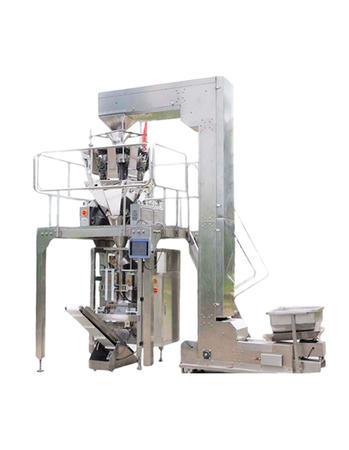
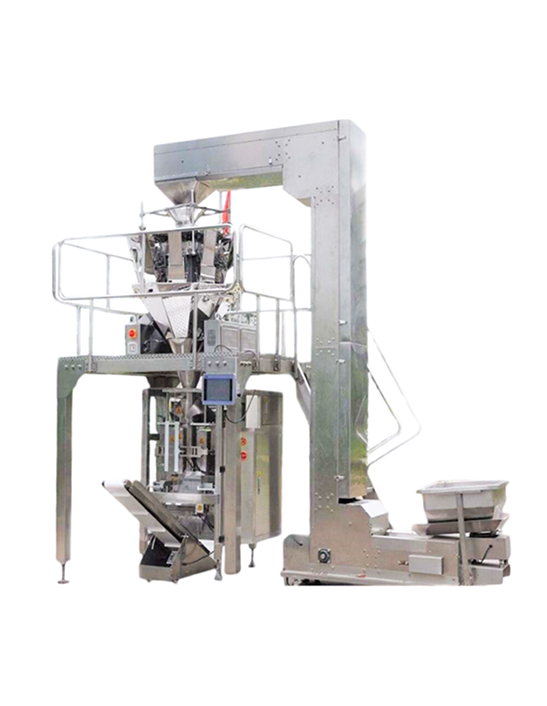
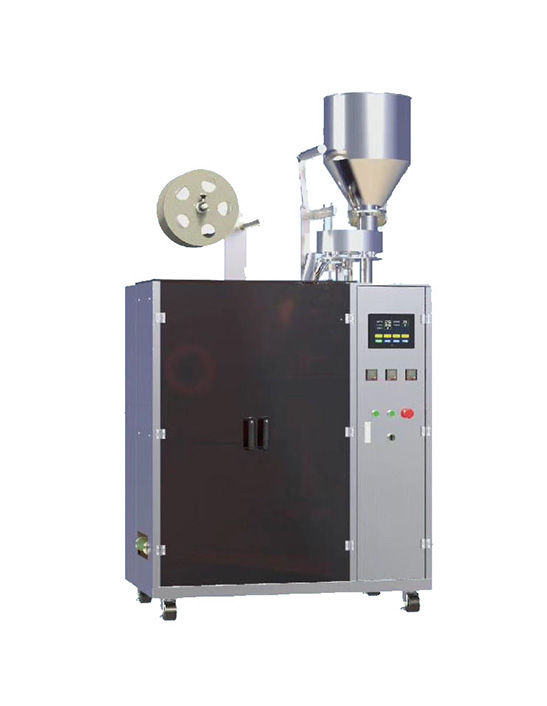
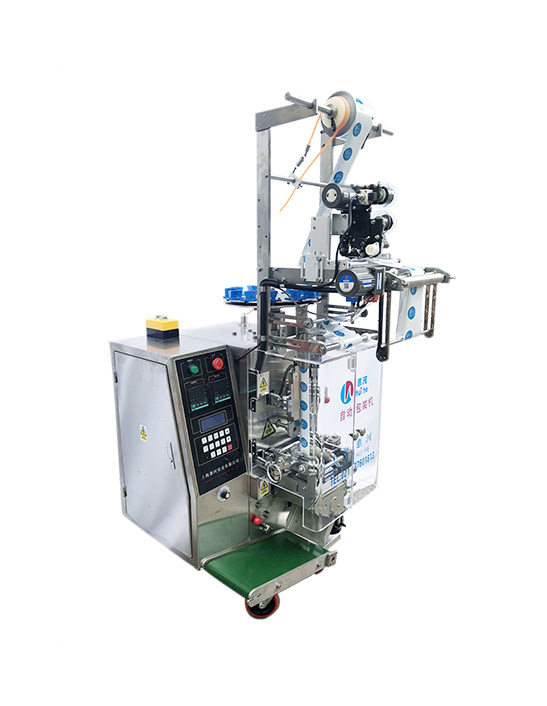
A large vertical packing machine — formally known as a large-format vertical form fill seal (VFFS) machine — is an industrial packaging system that forms bags from a flat roll of flexible film, fills them with product, and seals them shut in a continuous vertical operation. The "vertical" designation refers to the orientation of the forming tube and the direction in which the film travels and the bag is filled — downward, using gravity to assist product flow into the forming bag. The "large" classification distinguishes these machines from standard or compact VFFS units by their capacity to handle significantly greater bag widths, higher fill weights, larger bag formats, and substantially faster throughput rates suited to high-volume industrial and food processing operations.
These machines are the backbone of high-output packaging lines across a wide range of industries, including snack food manufacturing, frozen vegetable processing, hardware and fastener distribution, pet food production, agricultural seed packaging, and construction material bagging. When a production facility needs to package products in bags ranging from 500 grams to 25 kilograms or more at rates of dozens to hundreds of bags per minute, a large vertical packing machine is typically the engineering solution of choice.
The operating sequence of a large VFFS machine follows a precise, repeating cycle that integrates film handling, forming, filling, and sealing into a single continuous process. Understanding this sequence helps production managers evaluate machine performance, troubleshoot problems, and optimize output.
A roll of flat packaging film — typically polyethylene, laminated multi-layer film, or specialty barrier film — is mounted on a film unwind station at the rear or top of the machine. The film is drawn forward over a forming shoulder, a precisely shaped metal collar that wraps the flat film around a vertical forming tube, creating a tube of film with overlapping edges. A vertical sealing jaw or heat-seal band running along the length of the forming tube welds these overlapping edges together to create the back seal of the bag.
Product is simultaneously discharged from a metering or weighing system — a multihead weigher, auger filler, volumetric cup filler, or belt conveyor — through the center of the forming tube and into the open top of the bag below. Once the correct fill weight or volume is delivered, a set of horizontal sealing jaws closes across the tube below the product charge, creating the top seal of the filled bag and the bottom seal of the next bag simultaneously. The completed bag is then cut free and discharged onto a conveyor for downstream handling, while the cycle immediately repeats for the next bag.
When evaluating large vertical packing machines from different manufacturers, a clear understanding of the critical technical specifications allows buyers to make meaningful comparisons and avoid selecting a machine that cannot meet production requirements in practice. The following table outlines the most important parameters:
| Specification | Typical Range (Large Format) | Why It Matters |
| Bag width range | 200 mm to 700 mm+ | Determines the range of product formats the machine can accommodate |
| Bag length range | 150 mm to 800 mm+ | Must cover all required fill volumes with appropriate headspace |
| Fill weight capacity | 500 g to 25 kg per bag | Must match the heaviest product SKU with margin to spare |
| Output speed | 15 to 120+ bags per minute | Defines maximum line throughput; must match or exceed production targets |
| Film roll width | Up to 1,400 mm | Limits the maximum bag circumference achievable on the machine |
| Film thickness compatibility | 30 µm to 200 µm | Determines which packaging films and structures the machine can process reliably |
| Sealing jaw temperature range | 80°C to 260°C | Must cover the sealing requirements of all film types intended for use |
The filling system integrated with or connected to the vertical packing machine is as critical as the machine itself in determining overall line performance and accuracy. Large VFFS machines are designed to accept various filling technologies depending on the physical characteristics of the product being packaged. Selecting the wrong filling system results in poor weight accuracy, product damage, contamination, or excessive downtime for cleaning.
Multihead weighers — also called combination scales — are the premium filling solution for free-flowing granular, chunk, or irregular-shaped products where high speed and weight accuracy are both required. A typical 14-head or 16-head combination weigher achieves weighing accuracies within ±1 gram across fill weights from 100 grams to 5 kilograms, at speeds exceeding 100 cycles per minute when paired with a suitably fast VFFS machine. They are the standard filling technology for snack foods, fresh and frozen produce, confectionery, nuts, dried fruits, hardware fasteners, and similar products.
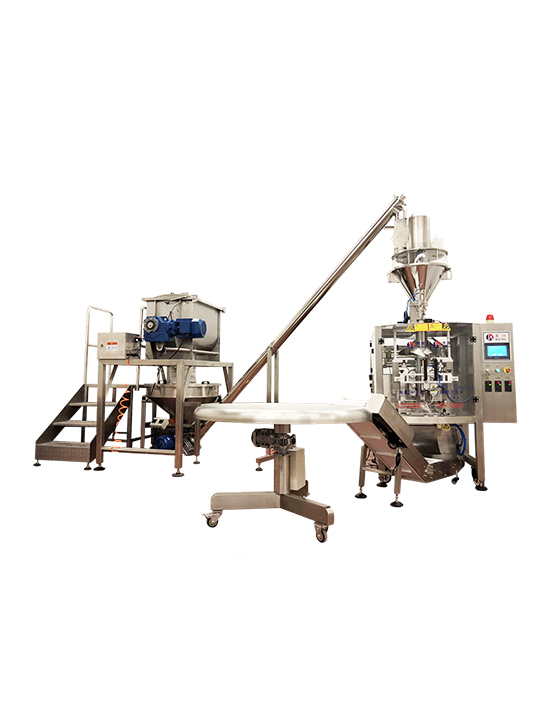
Auger filling systems use a rotating helical screw inside a cylindrical tube to meter powdered or fine granular products by volume. They are the standard solution for flour, spices, protein powder, coffee, sugar, and similar dry powders that cannot be accurately weighed by impact-based combination weighers. Auger fillers offer good fill accuracy (typically ±0.5% to ±1% by weight) and are designed with sanitary construction for food-grade powder applications. Changeover between different products requires thorough cleaning, making auger systems better suited to dedicated single-product lines or infrequent product changeovers.
For large-format bagging of bulk materials — pet food kibble, animal feed pellets, agricultural seeds, or construction aggregates — belt weigher systems and bucket elevators deliver high-volume charges into the VFFS bag at fill weights from 5 to 25 kilograms per bag. These systems prioritize fill volume and speed over gram-level precision, accepting slightly wider weight tolerances in exchange for the ability to handle large, heavy product charges that combination weighers cannot manage at scale.
One of the significant advantages of modern large-format VFFS machines is their ability to produce multiple bag styles from the same platform through forming shoulder and tooling changes. The bag style determines the shelf presentation, structural integrity, and consumer appeal of the finished package, making this a critical consideration for brand owners selecting equipment.
The intelligence of a large vertical packing machine resides in its control system, which coordinates film feeding, sealing jaw timing, cutting, fill system triggering, and fault detection in precise synchronization across the entire packaging cycle. The sophistication of the control architecture directly influences the machine's ease of operation, flexibility for product changeover, and integration capability with broader production line automation.
Modern large VFFS machines are equipped with programmable logic controllers (PLCs) — typically from major suppliers such as Siemens, Allen-Bradley, or Mitsubishi — paired with color touchscreen HMIs that allow operators to store and recall complete product recipes, monitor real-time production statistics, and receive diagnostic fault codes with corrective action guidance. Recipe storage for 50 to 200 product configurations is standard on premium machines, allowing rapid changeover between bag formats with minimal manual adjustment.
Servo motor drives for film pulling, forming, and jaw actuation replace older mechanical cam-driven systems in current-generation machines, providing precise electronic control over every motion parameter and significantly reducing mechanical wear and maintenance requirements. Servo-driven machines also allow independent adjustment of jaw speed, dwell time, and sealing pressure through the HMI, enabling fine-tuning of seal quality across different film structures without mechanical tooling changes.
Investing in a large vertical packing machine is a significant capital decision with long operational implications. A structured evaluation process that goes beyond comparing headline speed specifications helps production managers and procurement teams identify the machine that delivers the best total value over its operational life.
A large vertical packing machine operating in a high-throughput production environment will accumulate millions of sealing cycles per year. Establishing a structured preventive maintenance program from commissioning is essential for sustaining output rates, seal quality, and machine longevity. The most maintenance-intensive components are the horizontal sealing jaws — which experience high thermal and mechanical cycling — the film pull belts or rollers, the vertical seal band or jaw, and the knife assembly that cuts bags free after sealing.
Sealing jaw inserts and PTFE non-stick coatings require inspection and replacement at intervals defined by the manufacturer based on operating temperature and cycle rate — typically every three to six months in continuous production. Film pull belts and rubber drive components require periodic tension checks and replacement when wear causes film slippage that degrades bag length consistency. Knife blades should be sharpened or replaced on a scheduled basis rather than reactively, as a dull cutting blade creates jagged bag edges and can cause film jamming that halts production.
With proper preventive maintenance and timely replacement of wear components, a premium large vertical packing machine from a reputable manufacturer should deliver a service life of fifteen to twenty years in normal production conditions. Tracking machine overall equipment effectiveness (OEE) — the combined measure of availability, performance, and quality — provides the most meaningful ongoing indicator of whether the maintenance program is sustaining the machine at its intended capability and whether performance degradation trends signal the need for more intensive intervention before a production-impacting failure occurs.
Copyright © Soontrue Huihe Automation Equipment (Shanghai) Co.,LtdAll Rights Reserved. Custom Packaging Machinery Manufacturers


 英语
英语 西班牙语
西班牙语 简体中文
简体中文