英语
英语 西班牙语
西班牙语 简体中文
简体中文Industry News
Home / News / Industry News / How Do You Choose the Best Powder Packaging Machine for Efficient Production?
Content
Powder packaging machines are specialized industrial systems designed to accurately fill, seal, and package powdered products into bags, pouches, sachets, bottles, or containers. These machines are widely used across food, pharmaceutical, chemical, agricultural, and cosmetic industries, where precision, hygiene, and efficiency are critical. Products such as milk powder, coffee powder, flour, spices, protein powder, detergent powder, and chemical additives all rely on reliable packaging systems to maintain product integrity and extend shelf life.
The core purpose of a powder packaging machine is to automate the packaging process while ensuring accurate dosing, minimizing material waste, and improving production speed. Compared with manual filling methods, automated powder packaging solutions significantly enhance consistency and reduce labor costs.
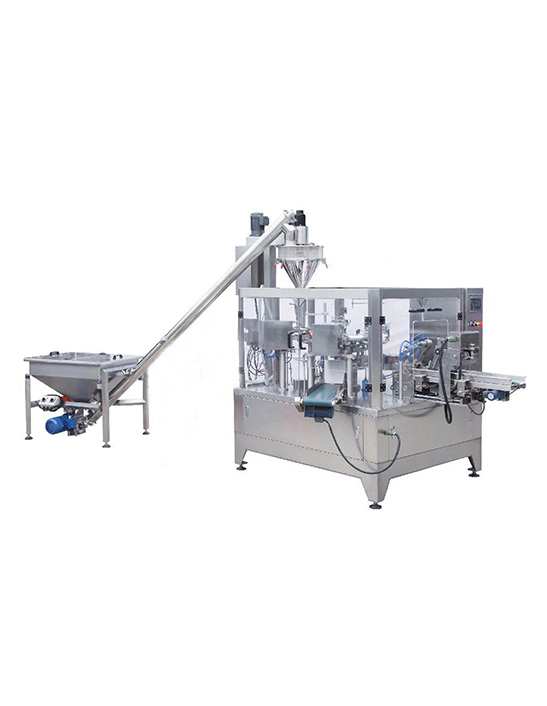
A powder packaging machine typically follows a step-by-step process that includes material feeding, measuring, filling, sealing, and output. The powder is first transferred from a hopper into the dosing system, where it is accurately measured according to preset specifications.
Depending on the material characteristics, the machine may use an auger filler, volumetric cup, screw feeder, or weighing system. Once the correct amount is dispensed, the product is filled into the packaging material and then sealed through heat sealing or ultrasonic technology.
Selecting the right machine depends heavily on product type, packaging format, and production capacity.
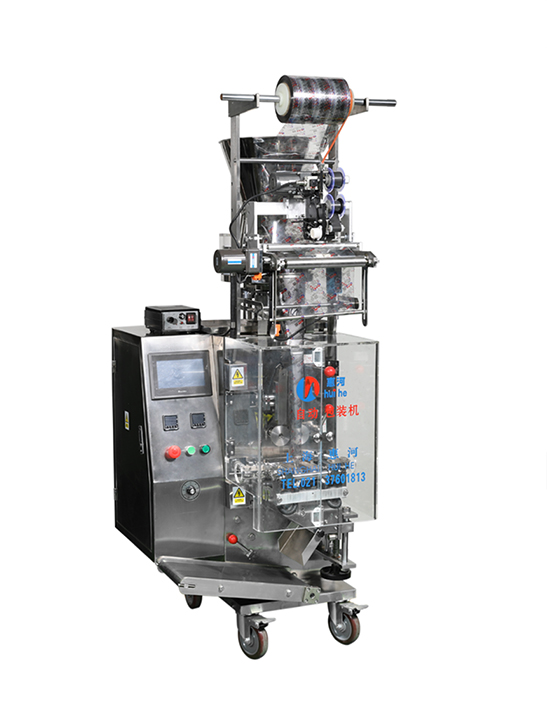
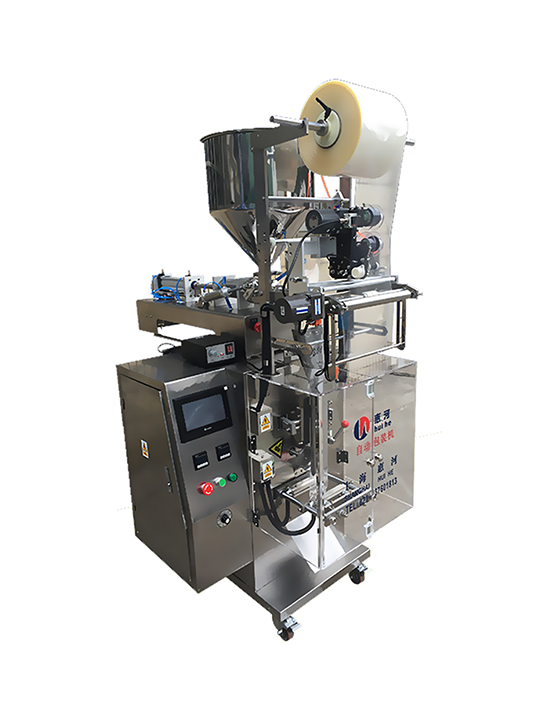
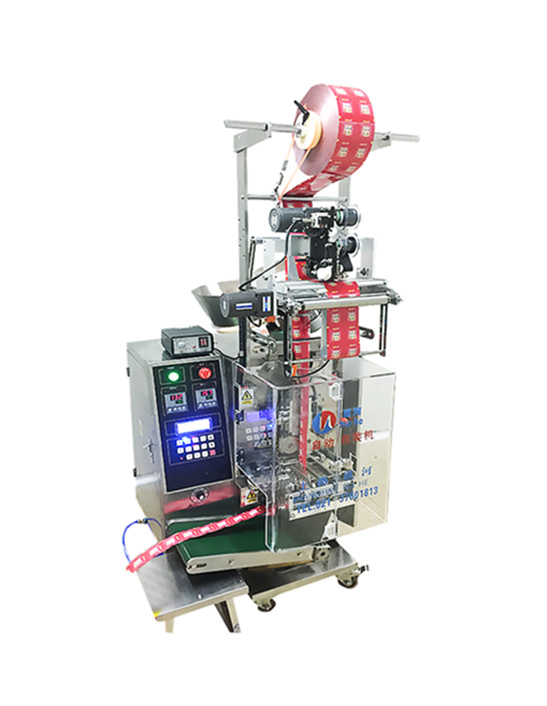
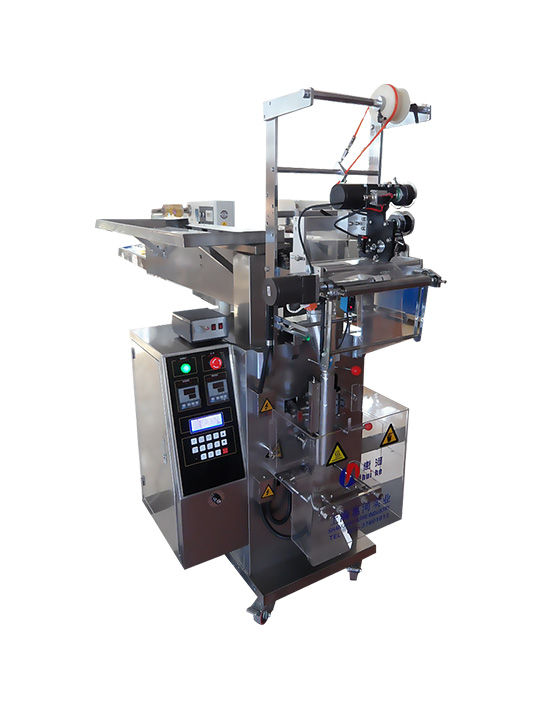
VFFS machines are among the most popular choices for powder packaging. They automatically form the pouch from roll film, fill it with powder, and seal it in one continuous process. This type is highly suitable for medium to high-speed production lines.
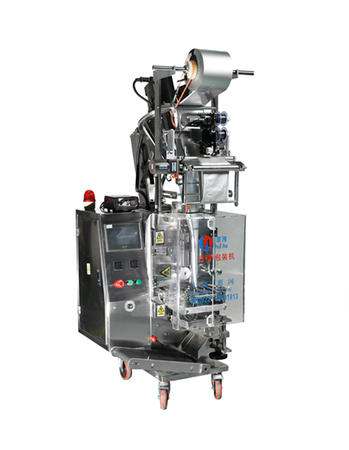
These machines use a screw auger mechanism to dispense a precise quantity of powder. They are especially effective for fine powders such as flour, coffee, protein powder, and pharmaceutical products.
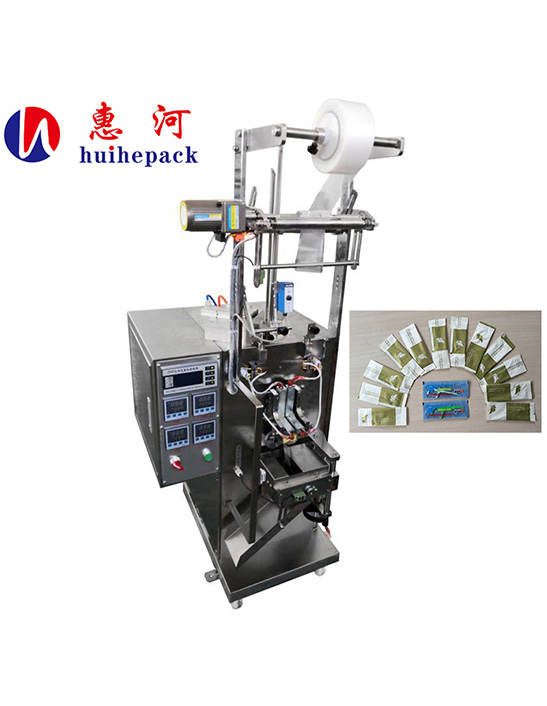
Designed for small-dose packaging, these machines are commonly used for instant drink powders, sugar, spices, and medical powder sachets.
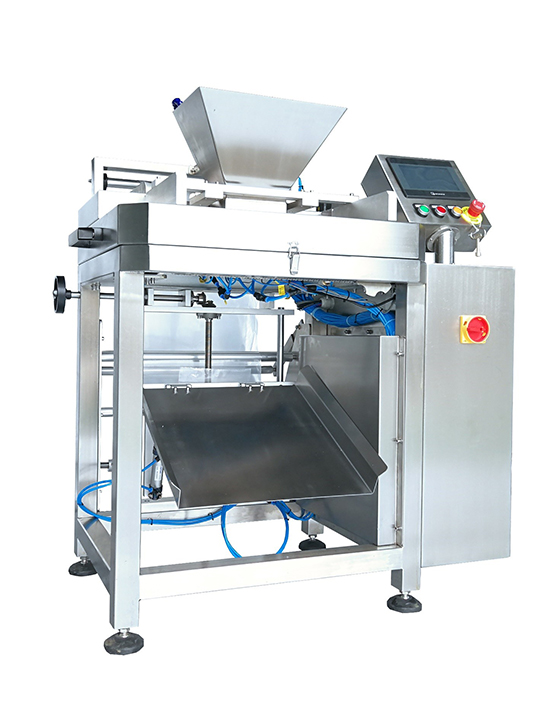
These systems are ideal for filling powders into rigid containers such as plastic bottles, glass jars, and cans.
Powder packaging machines serve a broad range of industries where precise packaging is required.
When selecting a powder packaging machine, several technical and operational factors should be carefully evaluated.
Accuracy directly affects material waste and product consistency. High-quality auger and servo systems help maintain precise fill weights.
For large-scale manufacturing, machines with higher bags-per-minute capacity are essential for maximizing output.
Different powders behave differently. Fine powders, sticky powders, and free-flowing powders require specific filling technologies.
Fully automatic systems reduce labor costs, while semi-automatic models may be more suitable for small factories.
| Machine Type | Best For | Speed | Accuracy |
| VFFS | Pouches and bags | High | High |
| Auger Filler | Fine powder | Medium | Very High |
| Sachet Machine | Small packs | Very High | High |
| Bottle Filler | Jars and bottles | Medium | High |
Routine maintenance is critical to ensure long-term performance and packaging accuracy.
To maximize machine performance, manufacturers should optimize production line layout, use high-quality packaging film, calibrate filling systems frequently, and match machine specifications to actual production needs.
Integrating conveyors, automatic feeding systems, metal detectors, and coding printers can further improve overall efficiency and product quality.
A powder packaging machine is an essential investment for industries handling powdered products. Choosing the right equipment depends on product characteristics, packaging format, output requirements, and budget. With proper machine selection and maintenance, businesses can significantly improve packaging speed, reduce waste, and maintain consistent product quality.
Copyright © Soontrue Huihe Automation Equipment (Shanghai) Co.,LtdAll Rights Reserved. Custom Packaging Machinery Manufacturers