Content
Choosing the wrong packaging machine can cost a manufacturing operation far more than the price of the equipment itself — in downtime, wasted materials, product damage, and missed throughput targets. The decision between a vertical packing machine and a horizontal packing machine is one of the most consequential choices in packaging line design, yet it's frequently made without a full understanding of how each system works and what it's genuinely built to handle. This article provides a thorough, practical comparison to help operations managers, procurement teams, and production engineers make the right call.
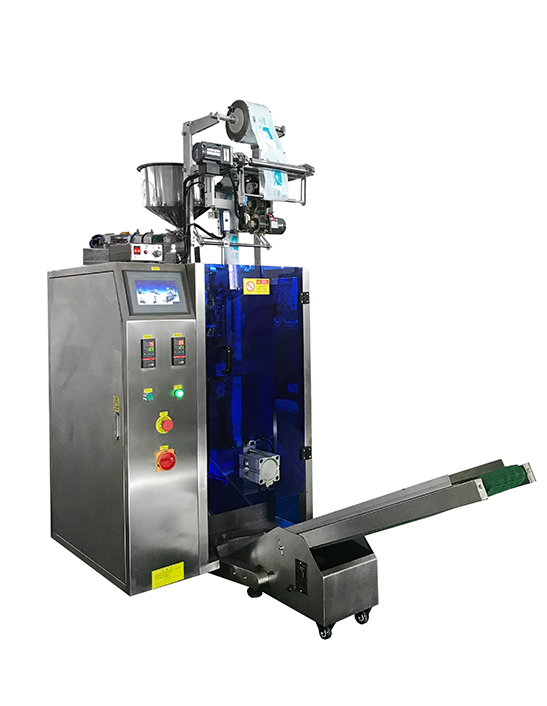
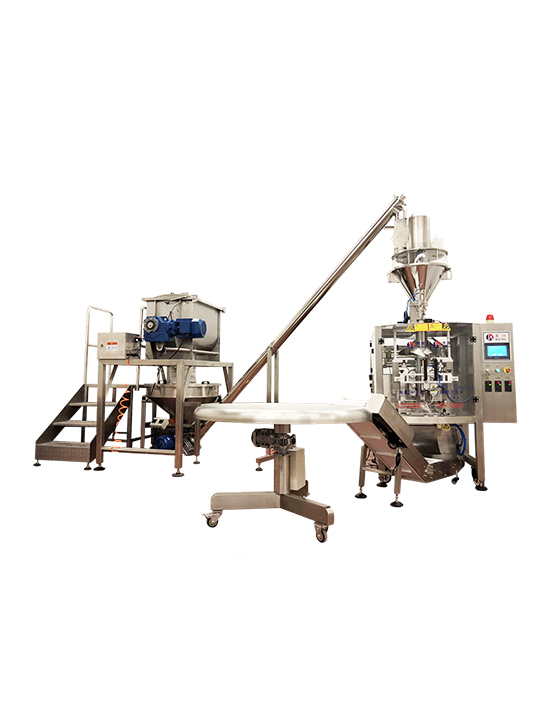
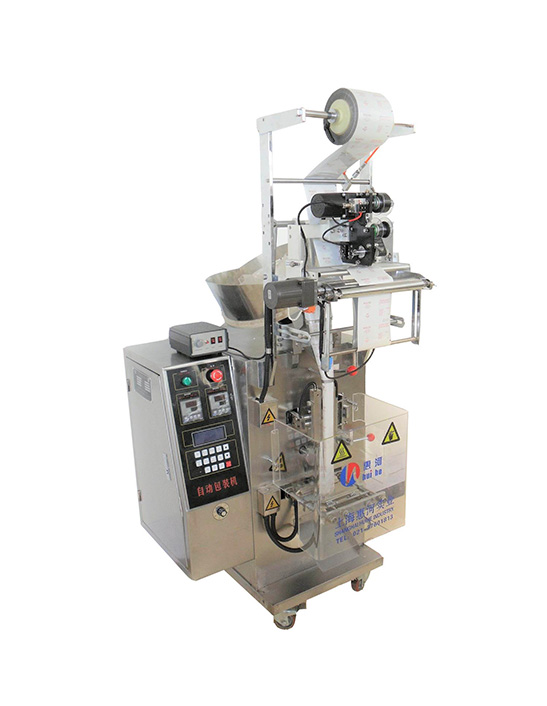
Vertical form fill seal (VFFS) machines operate by pulling a continuous roll of flat film downward over a forming tube. As the film travels down, it is shaped into a tube, sealed along the vertical edge, filled with product from above through the forming tube, and then sealed and cut horizontally at the bottom to create individual pouches or bags. The entire process happens in one continuous vertical motion, which is why these machines can achieve extremely high speeds — often 60 to 200 bags per minute depending on the product and bag size.
The vertical orientation makes VFFS machines inherently well-suited to free-flowing products. Gravity does much of the work: granules, powders, liquids, and small solid pieces fall naturally into the forming tube and settle into the bag without requiring complex product handling systems. This simplicity is a major reason why VFFS machines dominate in food manufacturing, particularly for snacks, coffee, sugar, frozen vegetables, nuts, and pet food.
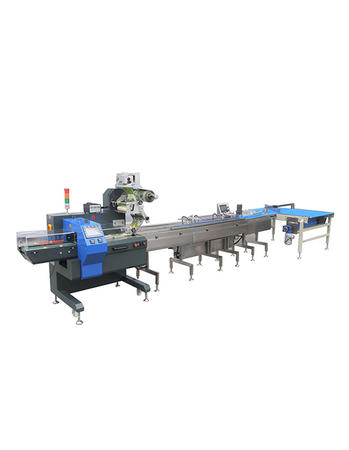
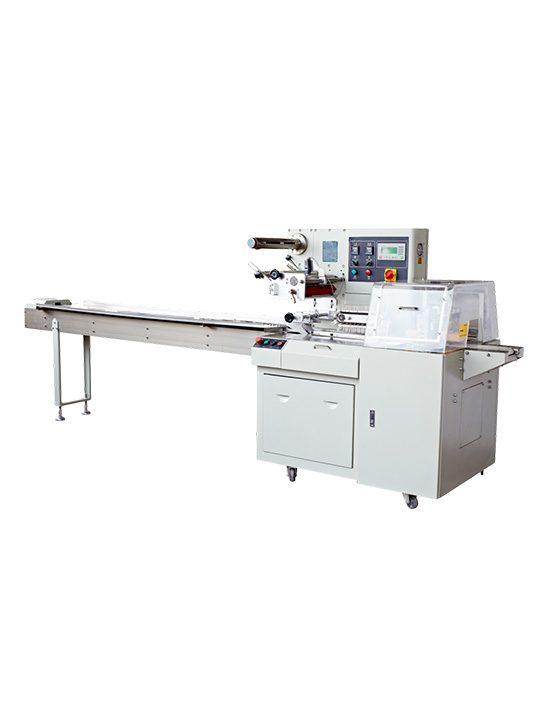
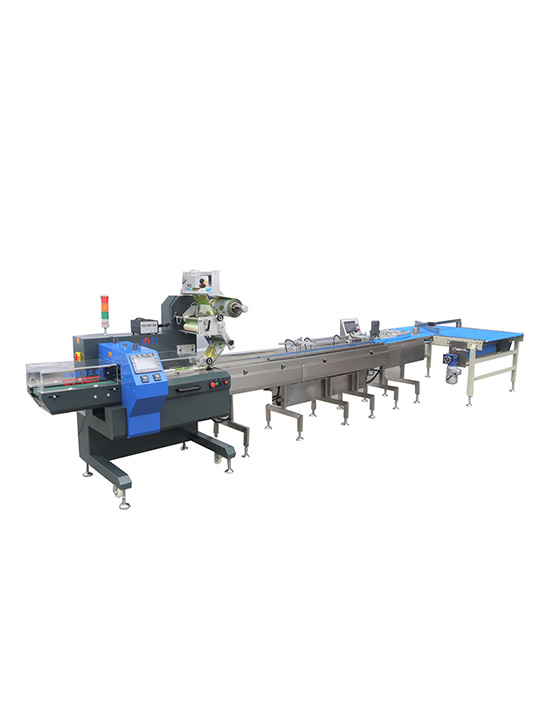
Horizontal form fill seal (HFFS) machines, and the closely related flow wrap machines, move products horizontally along a conveyor into a film that wraps around them as they travel. A reel of film unwinds and forms a tube around the product, sealed along the bottom with a fin seal or lap seal, then cross-sealed and cut at the leading and trailing edges of each product to produce a tightly wrapped package. The product is placed into the machine from the side, travels horizontally through the wrapping zone, and exits as a finished, sealed pack.
This design is inherently suited to products that have a defined shape and cannot be tumbled or poured. A chocolate bar, a sandwich, a block of cheese, a medical device, or a bundle of pens — these products need to be positioned carefully and wrapped around, not dropped into a pouch. Horizontal machines can also handle products that are fragile, asymmetrical, or require a tight, contoured wrap that conforms closely to the product surface.
The following table summarizes the most important operational differences between vertical and horizontal packing machines:
| Factor | Vertical (VFFS) | Horizontal (HFFS/Flow Wrap) |
| Best product type | Free-flowing solids, powders, liquids | Solid, shaped, or fragile products |
| Package style | Pillow bags, gusseted bags, sachets | Flow wrap, tight skin-style wrap |
| Speed | Very high (up to 200+ bags/min) | High (up to 150+ packs/min) |
| Floor space | Smaller footprint, uses vertical height | Larger floor footprint |
| Product handling | Gravity-fed, simple | Conveyor-fed, requires positioning |
| Film usage | Moderate | Slightly higher per unit |
| Equipment cost | Generally lower entry cost | Moderate to high |
| Changeover time | Moderate | Can be longer for product size changes |
No other factor determines the machine choice more decisively than the nature of the product being packed. Before evaluating speed, cost, or footprint, manufacturers must ask a single question: can this product be dropped or poured, or does it need to be placed and supported?
Both machine types are capable of high output, but their speed profiles differ significantly based on how product is fed into the system. VFFS machines paired with a multihead weigher — a piece of equipment that automatically portions product by weight into the forming tube — can achieve genuinely exceptional throughput. A 14-head or 32-head multihead weigher feeding a VFFS machine can produce accurate, weighed, sealed bags at speeds that are simply not achievable with manual or conveyor-fed loading.
Horizontal machines are constrained by how quickly products can be placed on the infeed conveyor and spaced correctly for the wrapping cycle. For many applications this is still very fast — modern flow wrap machines running chocolate bars can exceed 1,000 bars per minute on high-speed lines — but the feeding system must be engineered precisely to match the machine's cycle time. Any disruption in the infeed flow immediately reduces output, making product handling reliability a critical engineering consideration.
When evaluating efficiency, operations teams should also consider film waste, changeover time between SKUs, and cleaning requirements. VFFS machines running powders or wet products may require more frequent cleaning stops. Horizontal machines with large product size variation between runs may require longer mechanical changeover, though servo-driven models can simplify this significantly.
Factory floor space is a genuine constraint in most production environments, and the two machine types use space very differently. Vertical machines have a compact horizontal footprint — typically 1 to 2 square meters for the machine itself — but require adequate ceiling height because the film reel, forming tube, and hopper stack vertically. In facilities with low ceilings, VFFS installation may require structural modifications or custom machine configurations.
Horizontal machines lie along the floor and require a longer linear run, often 3 to 6 meters or more including the infeed conveyor and outfeed section. They are generally easier to integrate into existing conveyor-based production lines and do not require ceiling height beyond standard industrial clearances. For facilities already organized around horizontal conveyor flows — common in fresh food, bakery, and pharmaceutical environments — HFFS machines integrate with minimal disruption to the existing layout.
Entry-level vertical packing machines begin around $15,000 to $30,000 USD for basic models, while high-speed servo-driven VFFS machines with full automation and multihead weighers can exceed $200,000. Horizontal flow wrap machines similarly range from around $20,000 for entry-level models to well over $300,000 for high-speed pharmaceutical or precision food lines.
Purchase price, however, is only part of the financial picture. Total cost of ownership includes film consumption, spare parts availability, maintenance labor, energy consumption, and the cost of downtime. VFFS machines tend to use film more efficiently per package because the bag is formed precisely around the fill volume. Horizontal machines may use more film per pack, particularly for irregularly shaped or low-profile products where the wrap extends well beyond the product edges.
Maintenance costs are broadly similar between the two types, though VFFS machines processing wet or sticky products may incur higher cleaning and seal bar replacement costs. Horizontal machines with complex folding or tucker mechanisms may require more skilled technicians for setup and maintenance. When calculating ROI, manufacturers should model these operational costs over a five-year horizon rather than comparing machine prices alone.
Understanding which industries rely on each machine type reveals a great deal about their practical strengths in real production environments.
The decision framework is actually straightforward once you've gathered the right information. Start with your product: if it flows, pours, or can be weighed into a funnel, a vertical machine is almost certainly the right starting point. If it needs to be placed, positioned, or kept in a specific orientation, a horizontal machine is the logical choice. From there, evaluate your required throughput, available floor space, budget, and the packaging format your customers expect.
It's also worth consulting with multiple machine manufacturers before committing — many offer trials using your actual product to demonstrate real-world performance. For operations running diverse product lines, a hybrid approach using both machine types in different zones of the facility is not uncommon. The goal is always to match the machine's mechanical strengths to the physical reality of your product, because no amount of technical sophistication compensates for a fundamental mismatch between machine design and product behavior.
Copyright © Soontrue Huihe Automation Equipment (Shanghai) Co.,LtdAll Rights Reserved. Custom Packaging Machinery Manufacturers


 英语
英语 西班牙语
西班牙语 简体中文
简体中文