Content
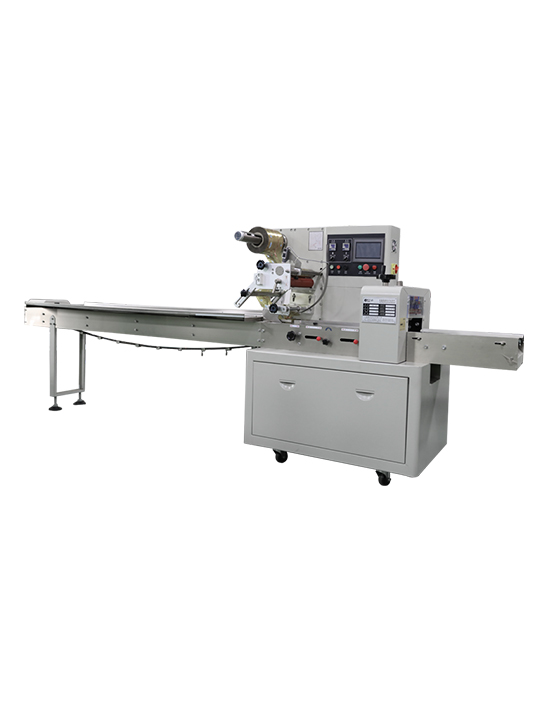
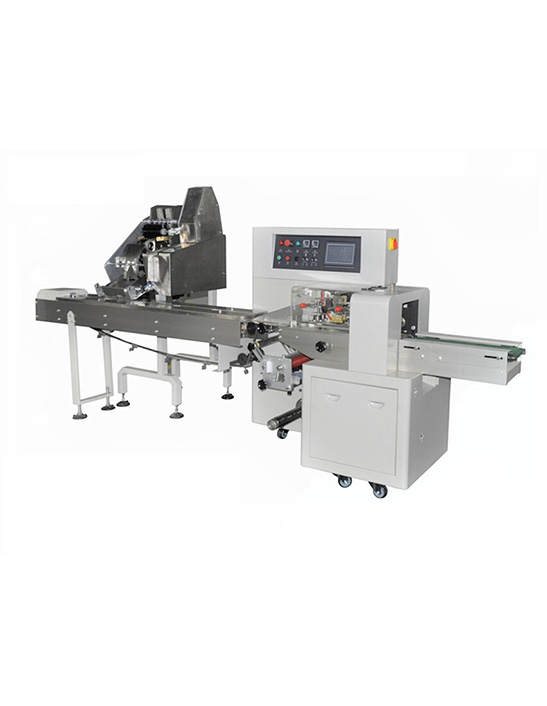
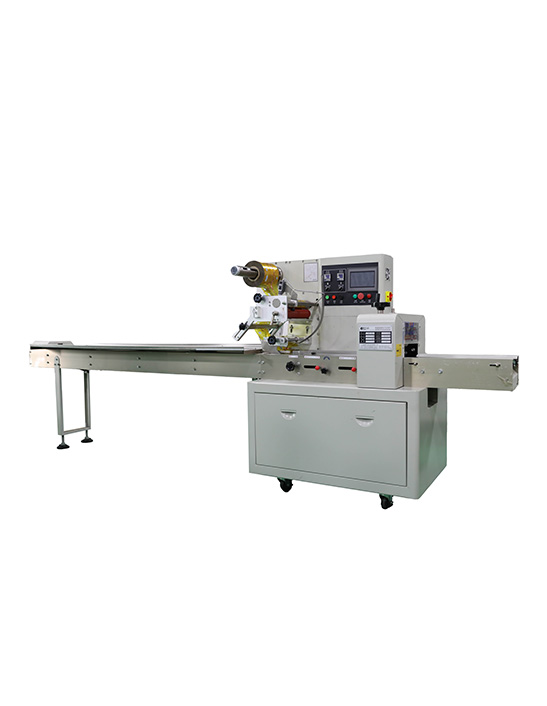
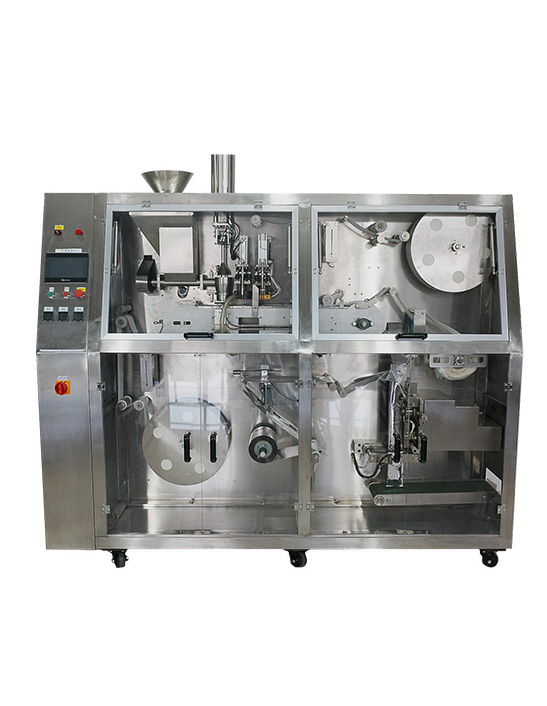
Horizontal packing machines, also known as horizontal flow wrappers or HFFS (Horizontal Form Fill Seal) machines, represent one of the most versatile and widely-used packaging solutions in modern manufacturing. These sophisticated systems create packages by forming flat film into a tube around the product, sealing it longitudinally, and then sealing and cutting it transversely to create individual packages. Unlike vertical packing machines that drop products into pre-formed bags from above, horizontal machines move products through the packaging process in a horizontal orientation, making them ideal for products that are fragile, oddly shaped, or need to maintain a specific orientation during packaging.
The fundamental principle behind horizontal packing machines involves three primary operations executed in a continuous sequence: forming, filling, and sealing. This process happens at remarkable speeds, with modern machines capable of producing anywhere from 30 to 300 packages per minute depending on product size, machine specifications, and packaging material. Understanding how these machines accomplish this complex task requires examining each component and process step in detail, from film unwinding through final product discharge.
Horizontal packing machines comprise several integrated systems that work in precise coordination to create sealed packages. Each component plays a critical role in the overall packaging process, and understanding these elements provides insight into how the machine achieves consistent, high-quality results.
The packaging process begins with the film feeding system, which holds and controls the release of packaging film from large rolls. This system includes motorized unwind stands equipped with tension control mechanisms that maintain consistent film tension throughout the packaging process. Proper tension is critical—too much tension can stretch or tear the film, while insufficient tension causes wrinkles and poor seal quality. Advanced machines incorporate dancer rollers or load cells that continuously monitor and adjust tension automatically, ensuring optimal film handling regardless of roll diameter or operational speed variations.
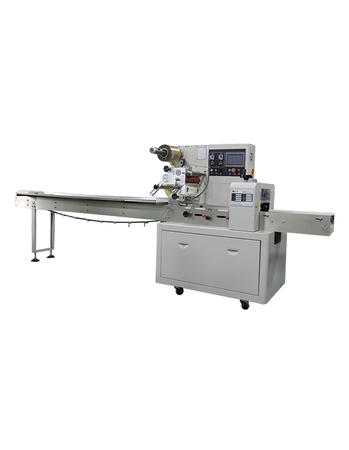
The forming tube, also called the forming shoulder or collar, represents the heart of the horizontal packing machine. This precisely engineered component gradually shapes flat film into a tube around its cylindrical or conical surface. As film passes over the forming tube, it wraps around the tube's circumference, bringing the two edges together for the longitudinal seal. The forming tube's design directly influences package quality, with different tube shapes and sizes required for various product dimensions and package styles. Most machines allow quick forming tube changes to accommodate different package sizes, though this remains one of the primary changeover tasks when switching between products.
The product infeed system delivers items to the packaging machine at precisely controlled intervals and speeds. This conveyor system must synchronize perfectly with the packaging film speed to ensure products enter the film tube at the correct position for sealing. Advanced machines use servo-driven infeed systems with integrated sensors that detect product presence, measure product dimensions, and adjust timing to maintain consistent package quality. For fragile products, infeed systems incorporate gentle handling mechanisms such as cushioned belts, adjustable speed control, or special product holders that prevent damage during the transfer process.
Horizontal packing machines employ two distinct sealing operations: longitudinal sealing and end sealing. The longitudinal sealer creates the continuous seal along the package length where the film edges meet after wrapping around the forming tube. This seal runs parallel to the product's travel direction and is typically created using heated sealing bars, bands, or wheels that apply controlled heat and pressure to bond the film layers together. End sealing jaws create the transverse seals that close the package ends and separate individual packages from the continuous tube. These jaws typically incorporate both sealing and cutting functions, using heated elements to create strong seals while simultaneously cutting through the film to separate packages.
Understanding the sequential operation of a horizontal packing machine reveals the precise coordination required to produce consistent, high-quality packages at industrial speeds. Each step must execute flawlessly and synchronize with adjacent operations to maintain production efficiency.
| Step | Process | Key Function |
| 1. Film Unwinding | Film releases from roll with controlled tension | Provides consistent material feed |
| 2. Film Forming | Flat film wraps around forming tube | Creates tube shape for product insertion |
| 3. Product Insertion | Product enters film tube through forming collar | Positions product for packaging |
| 4. Longitudinal Sealing | Film edges sealed along package length | Creates continuous tube around product |
| 5. End Sealing | Transverse seals close package ends | Seals previous package and starts next |
| 6. Cutting | Package separated from continuous web | Creates individual finished packages |
| 7. Discharge | Completed package exits machine | Transfers to outfeed or secondary packaging |
When using pre-printed packaging film with graphics, logos, or product information, horizontal packing machines must ensure these printed elements appear in the correct position on each package. This requires a registration system that tracks print marks on the film and adjusts the packaging process accordingly. Photo sensors detect registration marks printed on the film at specific intervals corresponding to package length. The machine's control system processes this information and makes real-time adjustments to film feed speed, sealing jaw timing, or cutting position to maintain perfect alignment between printed graphics and package dimensions. This capability is essential for branded consumer products where package appearance directly impacts marketing effectiveness and brand perception.
Modern horizontal packing machines rely on sophisticated control systems that coordinate all machine functions with precision timing measured in milliseconds. At the core sits a programmable logic controller (PLC) that serves as the machine's brain, executing programmed sequences, monitoring sensors, and controlling actuators throughout the packaging process. The PLC receives continuous input from numerous sensors monitoring film position, product presence, temperature, speed, and dozens of other parameters, then makes instantaneous adjustments to maintain optimal operation.
Operators interact with the machine through a human-machine interface (HMI), typically a touchscreen panel that displays machine status, production statistics, alarm conditions, and adjustment controls. Modern HMIs feature intuitive graphics that visualize machine operation, simplify troubleshooting, and allow operators to modify parameters such as sealing temperature, film tension, or production speed without specialized technical knowledge. Recipe management systems store optimal settings for different products, enabling quick changeovers by simply selecting the appropriate product recipe rather than manually adjusting individual parameters.
Premium horizontal packing machines increasingly incorporate servo motor technology to replace traditional mechanical drive systems. Servo motors provide precise speed and position control, allowing independent adjustment of different machine functions for optimal performance. Film pull rollers, sealing jaws, and product infeed conveyors can each operate at precisely controlled speeds with instant acceleration and deceleration capabilities. This flexibility enables the machine to handle a wider variety of products, achieve higher speeds, reduce changeover times, and improve package quality consistency compared to mechanically-linked systems where all functions operate at fixed ratios.
Horizontal packing machines accommodate various packaging films, each requiring specific sealing approaches and machine configurations. Understanding these material options helps explain why different machines employ different sealing technologies and why certain films work better for specific applications.
The sealing process relies on applying controlled heat and pressure to melt the film's sealant layer, allowing molecular bonding between film surfaces. Different sealing technologies suit different film types and production requirements. Constant heat sealing maintains sealing elements at steady temperature, pressing against the film for a predetermined time to create the seal. Impulse sealing uses brief electrical pulses to rapidly heat sealing elements only during contact with the film, then allows cooling while still under pressure. This method works well with thinner films and reduces heat exposure to products. Ultrasonic sealing employs high-frequency vibrations to generate localized heat through friction, enabling sealing of certain materials without external heating elements.
Horizontal packing machines serve an extraordinarily diverse range of industries and product types, demonstrating their versatility and adaptability. Their ability to handle products in horizontal orientation makes them particularly suitable for items that cannot be dropped vertically or need specific presentation orientation.
In the food industry, horizontal flow wrappers package cookies, crackers, candy bars, energy bars, bread loaves, fresh produce, and countless other items. The gentle product handling prevents breakage of fragile items like crackers or cookies, while the horizontal orientation maintains proper product presentation for items like sandwiches or layered confections. Modified atmosphere packaging (MAP) capabilities can be integrated to replace package air with nitrogen or other gas mixtures that extend shelf life for perishable products.
Beyond food, horizontal packing machines package pharmaceutical products including syringes, bandages, medical devices, and blister pack cards. The pharmaceutical industry values the machines' ability to maintain sterile conditions, provide tamper-evident packaging, and integrate serialization printing for regulatory compliance. Industrial and consumer goods applications include hardware items, stationery products, automotive parts, cosmetics, and electronics accessories. The machines handle products ranging from small items like batteries to larger objects like rolls of tape or automotive air filters.
Modern horizontal packing machines offer numerous optional features that extend capabilities, improve efficiency, or address specific packaging requirements. Understanding these options helps in selecting equipment appropriately configured for particular applications.
Modified atmosphere packaging systems inject nitrogen, carbon dioxide, or custom gas mixtures into packages before sealing, displacing oxygen that causes food spoilage or product degradation. The gas flushing nozzle positions inside the forming tube, introducing gas as products pass through. Precise gas flow control maintains consistent atmosphere composition while minimizing gas consumption. This technology significantly extends shelf life for perishable foods, prevents oxidation of sensitive products, and maintains package integrity by providing cushioning that protects fragile items during handling and shipping.
For small products requiring high-volume production, multi-lane horizontal packing machines create multiple packages simultaneously from a single film web. These machines incorporate multiple forming tubes, product infeed lanes, and sealing stations operating in parallel. A single machine might run two, three, four, or more lanes, dramatically increasing production capacity without proportionally increasing floor space, labor requirements, or energy consumption. Multi-lane configurations prove particularly economical for products like individual candies, small sachets, or portion-control items where single-lane production would be inefficient.
Many horizontal packing machines integrate printing systems that apply batch codes, expiration dates, lot numbers, or variable information directly onto packages during the packaging process. Thermal transfer, inkjet, or laser coding systems position near the film path or finished package discharge, printing required information without slowing production. This integration ensures traceability compliance, reduces handling steps, and guarantees accurate coding since the printing occurs as part of the automated packaging sequence.
Proper maintenance is essential for horizontal packing machines to deliver consistent performance, minimize downtime, and achieve expected service life. These machines operate at high speeds with precise tolerances, making regular maintenance critical for sustained operation.
Daily maintenance tasks include cleaning film dust and product residue from sealing areas, checking and adjusting sealing temperatures, inspecting film path for proper alignment, and verifying all safety guards are in place and functioning. Sealing jaws require particular attention since residue buildup degrades seal quality and can cause film sticking or tearing. Many operators clean sealing surfaces multiple times per shift using appropriate solvents and non-abrasive tools to maintain optimal sealing performance.
Weekly maintenance expands to include lubrication of moving parts following manufacturer specifications, inspection of drive belts for wear or proper tension, checking pneumatic system pressure and filter condition, and verifying all sensors function correctly. Monthly tasks involve more thorough inspection of mechanical components, calibration verification of critical parameters like temperature and speed, and assessment of consumable parts like sealing wires or cutting blades that may require replacement.
Understanding common operational issues and their causes helps operators quickly resolve problems and minimize production disruptions. Poor seal quality represents one of the most frequent issues, typically resulting from incorrect sealing temperature, insufficient dwell time, contaminated sealing surfaces, or incompatible film specifications. Systematic adjustment of temperature and pressure settings while ensuring clean sealing surfaces usually resolves seal quality problems.
Film tracking problems cause the film to drift sideways during operation, resulting in misaligned seals or product positioning errors. Common causes include uneven film roll winding, improper forming tube alignment, worn guide rollers, or incorrect tension settings. Careful inspection of the film path and systematic adjustment of guides and tension typically corrects tracking issues. Film wrinkles indicate excessive or insufficient tension, incorrect forming tube temperature, or film quality inconsistencies that may require film supplier consultation.
Product positioning errors occur when items don't arrive at the correct location for sealing, causing products to be cut by end seals or creating inconsistent package appearance. These issues usually stem from infeed timing problems, worn or slipping drive components, or incorrect sensor positioning. Modern machines with servo drives allow fine adjustment of timing parameters through the HMI, while mechanical drive machines may require physical adjustment of timing mechanisms or component replacement to restore proper synchronization.
Copyright © Soontrue Huihe Automation Equipment (Shanghai) Co.,LtdAll Rights Reserved. Custom Packaging Machinery Manufacturers


 英语
英语 西班牙语
西班牙语 简体中文
简体中文