英语
 西班牙语
 简体中文
Industry News
Home / News / Industry News / Pharmaceutical Packaging Machines: Choosing the Right System for Your Line
Content
Ask anyone who has spent twenty years packing food and then moves onto a pharma project, and they will tell you the same thing: the machine looks familiar, the thinking behind it does not. A sachet of oral rehydration salts and a sachet of soup powder may run on similar hardware, but one of them carries a dose. That single word changes how you think about fill accuracy, dust control, cleaning, documentation and the way a line is proven before it ships a single carton. This guide walks through the practical side of pharmaceutical packaging machines — the formats, the dosing methods and the questions worth asking — from the perspective of people who build them every day.
Most packaging projects start with speed. Pharmaceutical projects usually start with the dose, and everything else follows from there. In practice, four concerns tend to shape the specification before a single drawing is made.
It is also worth being clear about format scope. Blister and strip packaging is a specialised field of its own with dedicated thermoform or Alu-Alu equipment. The broader family of sachet, stick pack, pouch and bottle formats is where flexible packaging machines do most of the work, and that is where the rest of this article focuses.
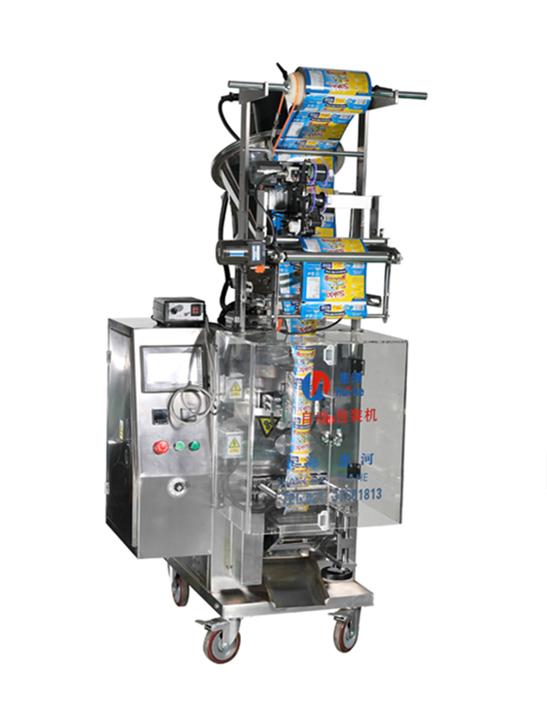
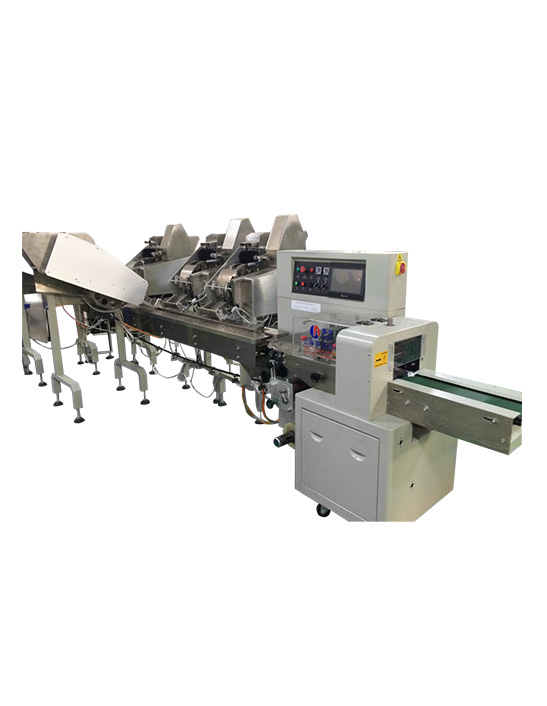
For products dispensed as loose tablets or capsules in a sachet, a vertical form-fill-seal machine with a counting disc or vibratory feed is the standard approach. The bag former can produce three-side seal, four-side seal or back-seal styles, and the counting system needs to handle chipped or broken product without rejecting an entire batch. If breakage matters for your product, ask for a sample run with your actual tablets before signing anything.
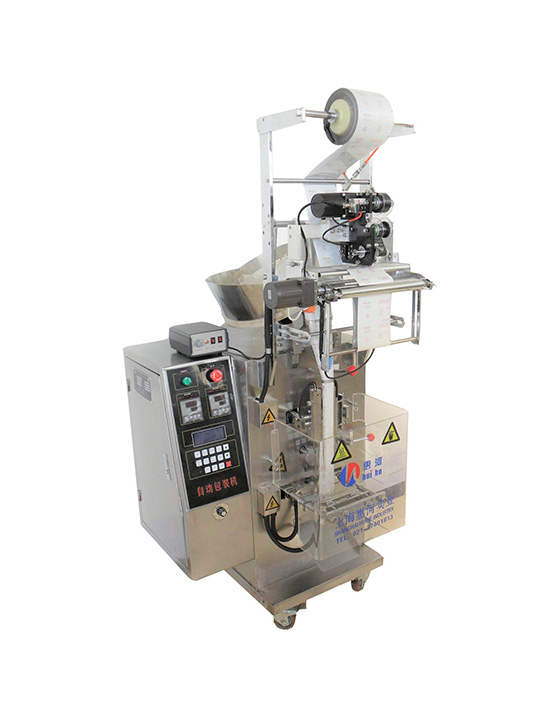
 Automatic Tablet and Capsule Sachet Packing MachineRuns tablets or capsules through counting, bag making, filling and sealing, with three- or four-side seal sachets and DXDK-240/300 models.View Product →
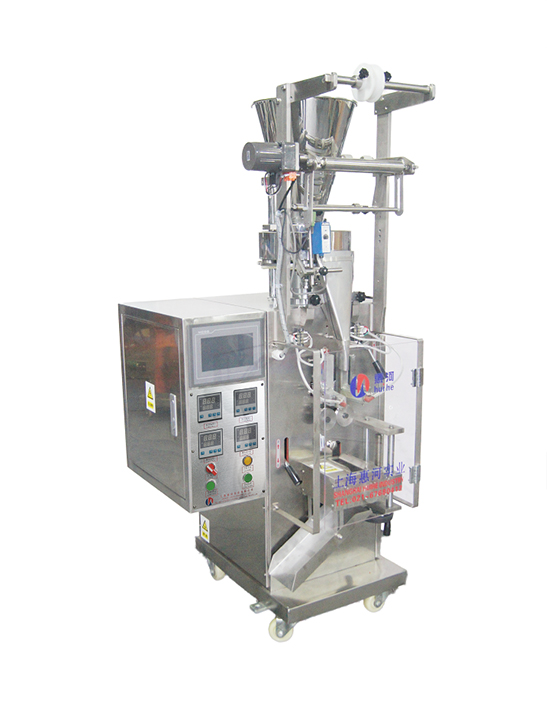
Powders are dosed by auger, usually servo-driven, and the quality of the result depends as much on the hopper and dust extraction as on the screw itself. Hygroscopic or static-prone powders behave differently on a warm afternoon than they did in the supplier's test room, so the dosing trial should use production material stored under production conditions. Stick packs and narrow sachets suit single-dose products; wider sachets suit larger gram weights.
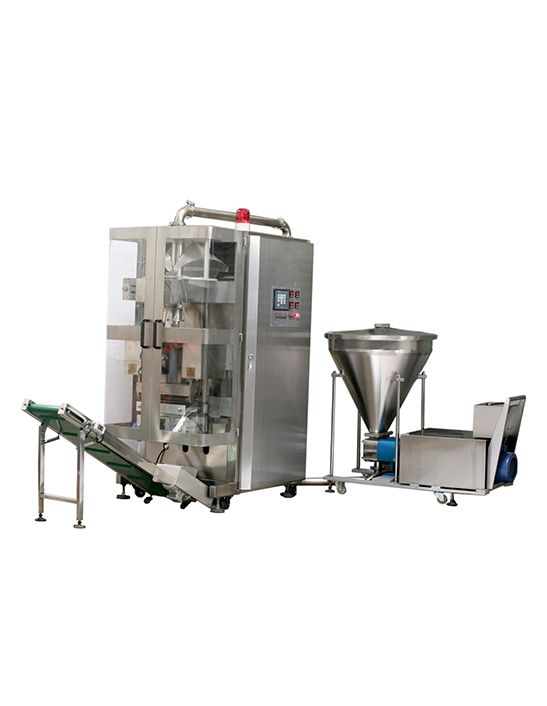
Syrups, oral liquids, gels and suspensions are typically filled by piston or peristaltic pump into sachets, bottles or spout pouches. Drip-free cut-off, hygienic product-contact materials, and a filling path that can be flushed and drained quickly will save far more time over a machine's life than a marginally higher cycle rate.
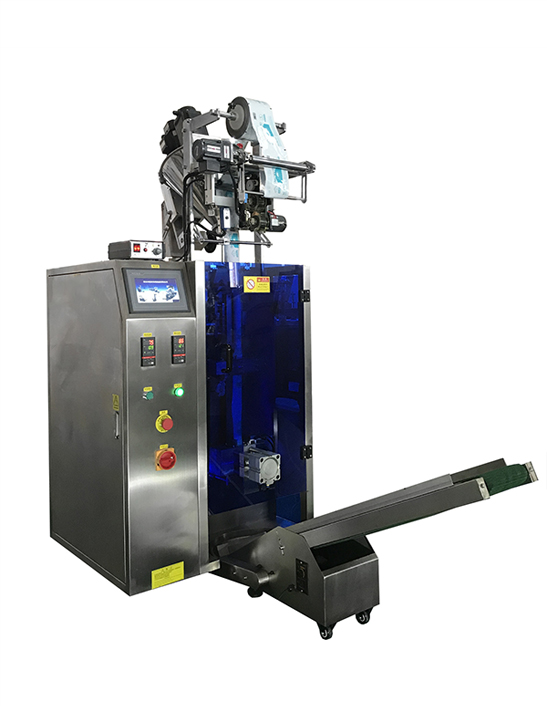
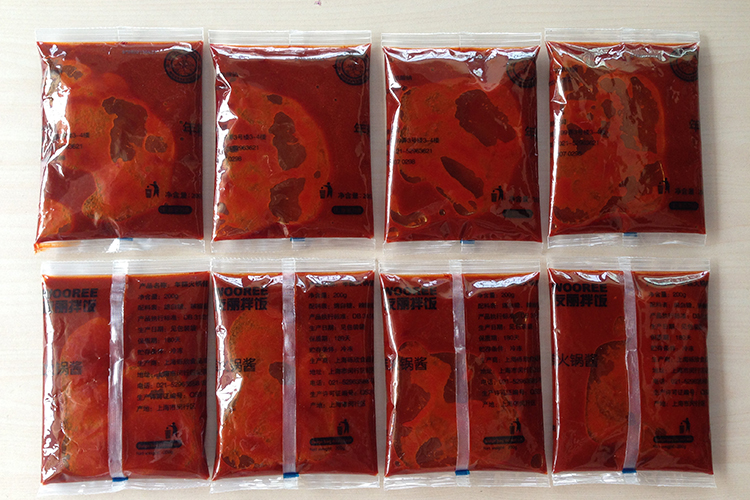 Automatic Liquid and Paste Back-Seal Packing MachineUses piston-pump dosing up to 150 ml to form, fill and back-seal sachets at 30–60 bags per minute for liquid and paste products.View Product →
Stand-up pouches, doypacks and zipper pouches give a retail-ready look without demanding a bag former, and they handle powders, granules and liquids alike. Because the pouch arrives pre-made, seal quality depends on jaw temperature, pressure and dwell time being held consistently — parameters worth locking and recording rather than adjusting by feel.
 Automatic Premade Bag Powder Packing MachineFills preformed stand-up, zipper, flat or paper bags with powder using screw metering, PLC control and HP-6PC, HP-8PC or HP-10PC host options.View Product →
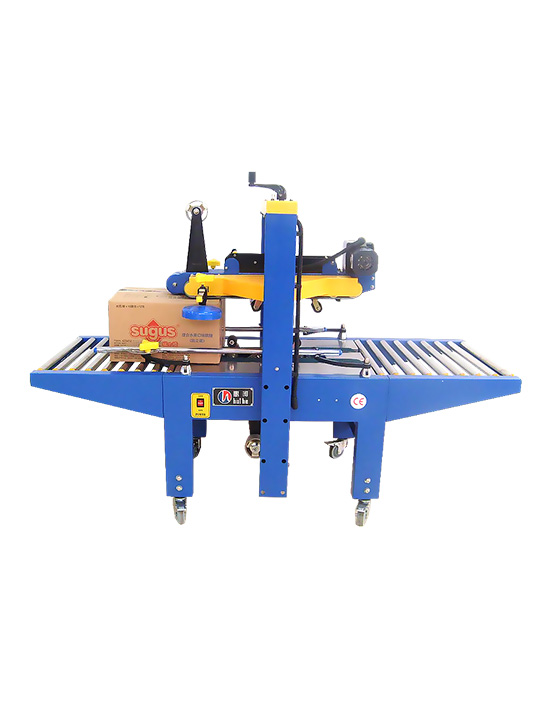
Downstream of the filler, a typical line includes labelling, leaflet or carton handling, checkweighing, metal detection, carton sealing and coding. These stations are often bought separately and bolted onto the line later, but the conveyor heights, signal handshakes and reject logic should be agreed at the start — retrofitting them is where many projects lose weeks.
There is no universal pharmaceutical packaging machine, and anyone who offers one is probably simplifying. The table below is the shortcut we use in early conversations, before a formal specification exists.
| Dosage form | Common pack format | Usual machine approach | What to verify |
|---|---|---|---|
| Tablets and capsules | Sachet, three- or four-side seal | VFFS with counting disc or vibratory feed | Count accuracy, breakage rate, dust extraction |
| Powders and granules | Stick pack, sachet, premade pouch | Servo auger dosing on VFFS or pouch filler | Dose repeatability across a full shift |
| Oral liquids and syrups | Sachet, bottle, spout pouch | Piston or peristaltic filling with sealing | Drip-free cut-off, flush and drain access |
| Gels and pastes | Premade pouch, tube, jar | Piston filler with heated or cooled hopper | Product-contact materials, cleaning routine |
| Nutraceuticals | Doypack, zipper pouch, jar | Premade pouch machine or filler plus capper | Seal integrity, barrier properties, fill weight |
| Finished packs | Carton, label, shrink bundle | Labeller, carton sealer, shrink wrapper | Speed matching, reject logic, coding space |
The pouch style itself deserves its own decision, because seal geometry, filling method and even the machine frame layout change with it. If you are still weighing flat sachets against stand-up or spouted formats, this overview of the main pouch packaging machine types is a useful starting point before you talk to any supplier.
Cleaning is where good intentions meet real machine design. Stainless steel contact parts, radiused corners, sloped surfaces that shed powder, and guards that come off without tools all reduce the time between batches. Ask to see the machine with the guards removed, not just with them on: the areas you cannot see are the areas an auditor will ask about.
On the documentation side, expect at minimum material certificates for product-contact parts, general arrangement and pneumatic drawings, a spare parts list, calibration certificates for weighing and metering components, and a maintenance schedule you can actually follow. If your quality team needs installation and operational qualification support, raise it during negotiation rather than commissioning week — the difference in preparation time is measured in months, not days.
None of these questions are unusual, and a supplier who has genuinely worked in regulated environments will answer them without flinching.
Soontrue Huihe Automation Equipment (Shanghai) has been building packaging machinery since 2006, with factories in Shanghai, Guangdong and Hebei and service offices in the United States, Thailand, Bangladesh, India and Japan. Our roots are in the wider packaging world — powders, granules, liquids, tablets, tea, hardware — and that breadth is genuinely useful on pharma and nutraceutical projects, because the dosing problem in a pharmaceutical sachet is often a close cousin of one we have already solved elsewhere.
What we offer is not a fixed catalogue answer. The conversation usually starts with your product, your pack format and your expected batch sizes, then moves through selection, cost budgeting, manufacturing, installation, operator training and after-sales support. Where a project needs a counting disc instead of an auger, or a premade pouch instead of a formed bag, the specification should say so. You can browse our packaging machinery range to see the machine families involved, but the practical starting point is a sample of your product and an honest description of your line.
Pharmaceutical packaging rewards patience in the specification stage. Decide the dose, the pack format and the cleaning routine first; the machine choice becomes much less mysterious once those three are settled. If you send us a product sample and a target output, we will tell you plainly which approach fits — and which one does not.
Copyright © Soontrue Huihe Automation Equipment (Shanghai) Co.,LtdAll Rights Reserved. Custom Packaging Machinery Manufacturers