英语
 西班牙语
 简体中文
Industry News
Home / News / Industry News / Powder Packaging Machine Selection: Match Powder Flow, Pouch Style, and Output
Content
Powder looks simple until it reaches a filling head. It can bridge, flood, dust, or settle at a different density from one batch to the next. That is why a powder packaging machine should be selected around the powder first and the machine second. At Soontrue Huihe, we have spent years building packaging equipment for food, pharmaceutical, agricultural, and chemical producers, and the most successful projects usually begin with a clear description of the material, the bag, and the production target, not a long list of features.
Whether you are packing flour, spice blends, milk powder, pesticide granules, cosmetic powder, or a fine pharmaceutical ingredient, the right powder packaging machine creates a repeatable fill, a clean seal, and a bag that travels well. The sections below explain how the main formats differ, what to check during selection, and where practical experience saves time.
A powder packaging machine combines three jobs: dosing, bag forming or pouch opening, and sealing. In a vertical form-fill-seal machine, a film roll is formed into a tube, filled with a measured amount of powder, then sealed and cut. In a premade pouch machine, a finished bag is taken from a magazine, opened, filled, and sealed. Semi-automatic filling machines handle only the dosing step and are often paired with a separate sealer when output is modest.
The dosing method matters most. Auger fillers use a rotating screw and a servo or clutch system to dispense a set volume, and they are common for free-flowing and semi-free-flowing powders. Some machines use a weighing or servo-measuring system when accuracy and repeatability are more demanding. Dust extraction, anti-static measures, and well-fitted seals are not accessories. They are part of making the line stable.
Before comparing models, describe the powder honestly. Is it fine and airborne, like talc or milk powder? Does it flow like sand, or bridge in the hopper? Does it contain sugar or salt that attracts moisture? Does it need gentle handling because of flakes, agglomerates, or heat sensitivity? These answers point to the right hopper design, auger, agitation, and dust control.
Bulk density is another practical detail. A light powder may need a larger fill volume, while a dense powder can weigh more than expected in the same bag. Changeover also matters. If you run several recipes, look for tooling and parameter settings that can be changed without a long mechanical rebuild. Our guide to choosing a powder packing machine covers these trade-offs in more detail.
Bag style shapes the whole project. A three- or four-side-seal bag gives a flat, neat presentation and works well for small sachets and sample packs. A back-side-seal bag uses a single fin seal on the back and is often a practical choice for everyday vertical bags. Premade pouches, including stand-up and zipper styles, offer shelf presence and convenience, but they need a machine designed for pouch opening and top sealing.
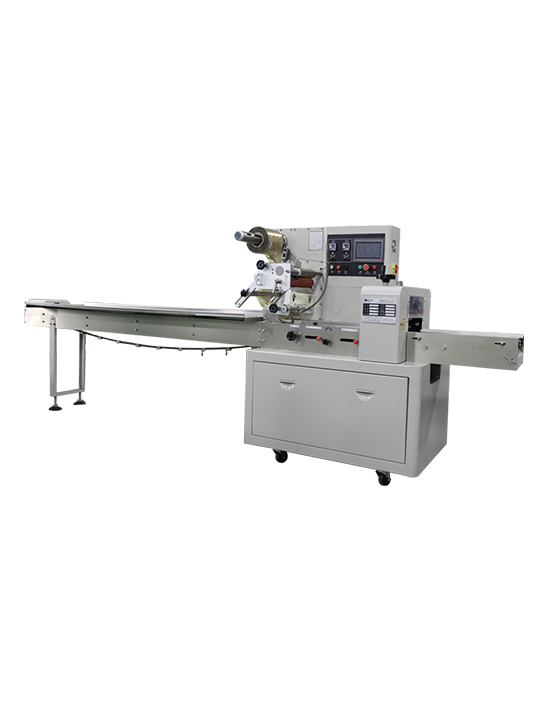
For a compact, shelf-ready sachet, the automatic powder packaging machine with three- or four-side seal is a natural place to start.
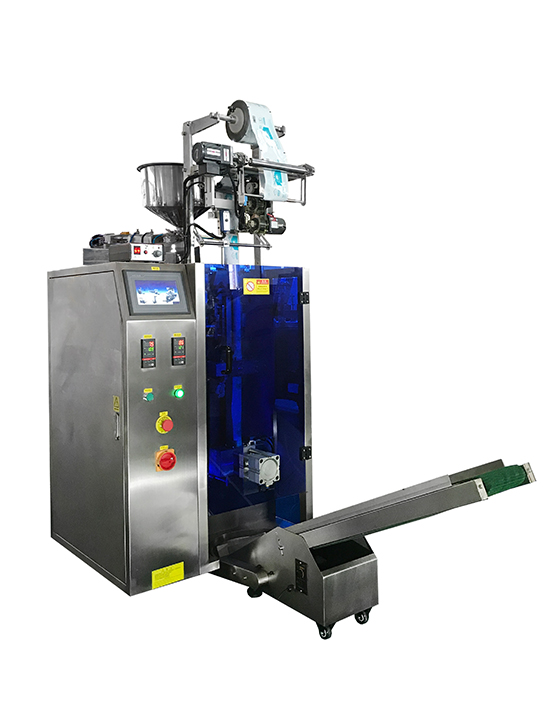
 Automatic Powder Packing Machine with 3 or 4 Sides SealFor compact shelf-ready powder sachets, this machine performs bag making, filling, sealing and counting with PLC control and optional devices.View Product →
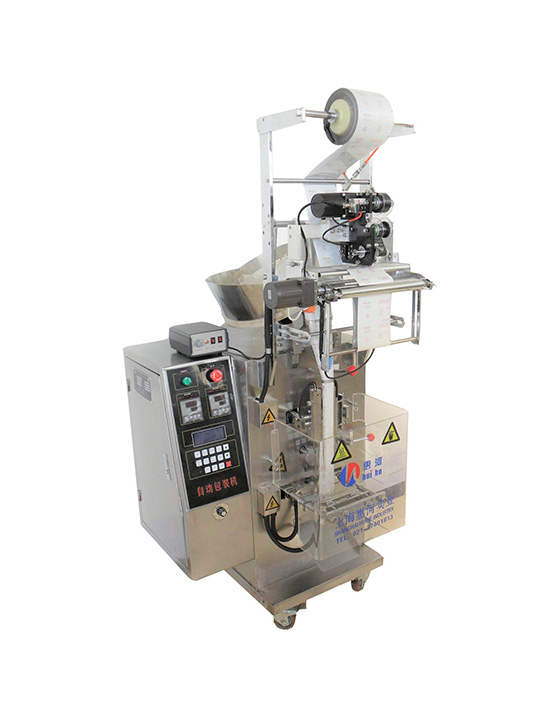
When the pack needs a simpler back seal and a clean vertical finish, the automatic powder packaging machine with back-side seal is the matching format.
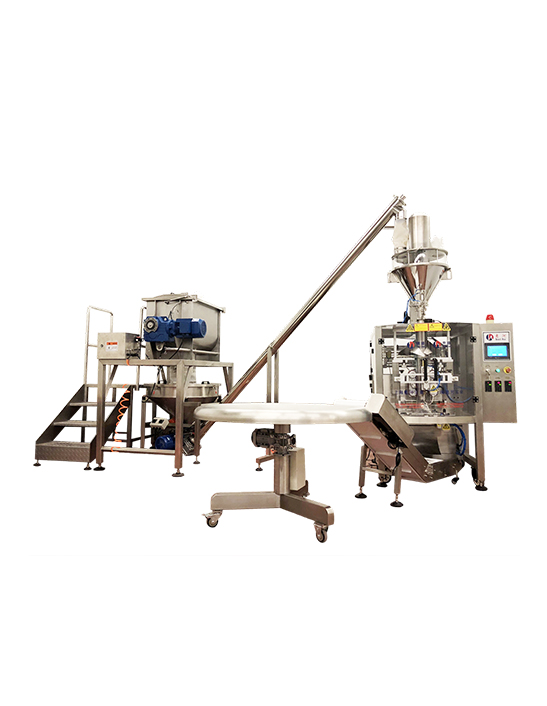
 Automatic Powder Packing Machine with Back Side SealDXDF-300 forms back-seal powder bags with screw metering, PLC control and 20–60 bags/min output for simple vertical finishes.View Product →
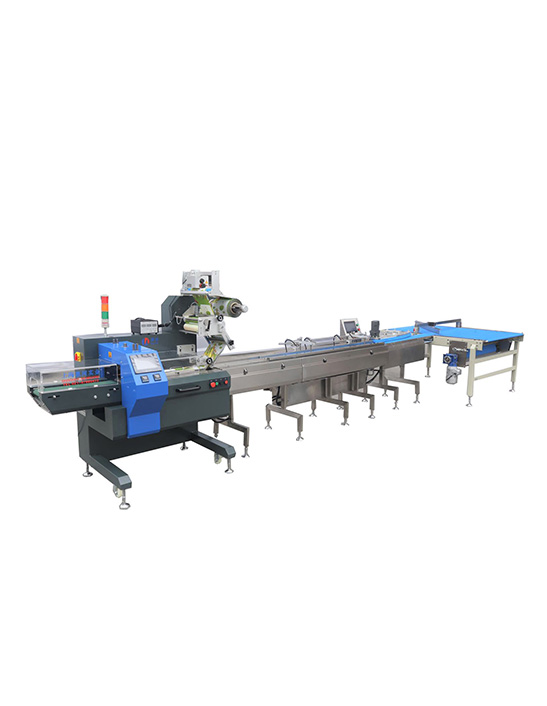
Large vertical machines suit bigger bags and higher output, while semi-automatic powder filling is a sensible entry point for small batches or a new product trial. The key is not to choose the most automated machine available. Choose the format that matches the bag you can sell and the volume you can run consistently.
Premade pouches are often chosen for premium retail products, resealable packs, and short runs where printed film inventory is less attractive. They can also simplify changeover between bag sizes. The trade-off is pouch cost, storage, and the need for accurate opening and filling. A pouch that opens poorly will slow the line no matter how good the filler is.
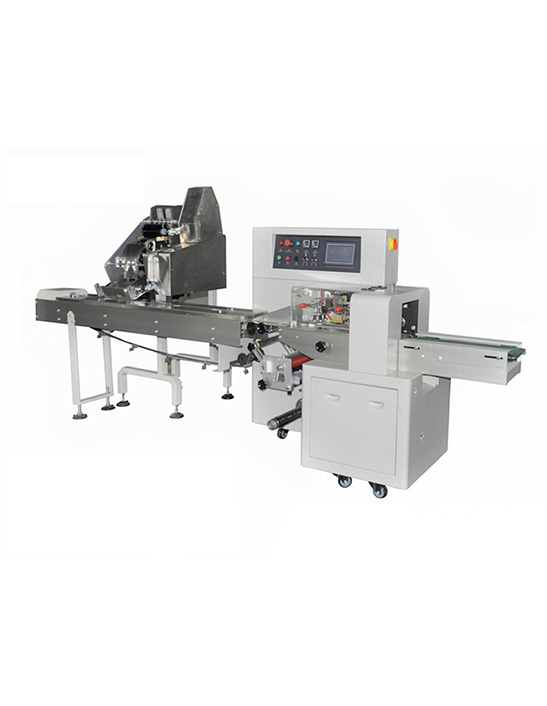
For powders that need a stand-up pouch or a zipper finish, an automatic premade bag powder packaging machine keeps the filling and sealing steps in one controlled cycle.
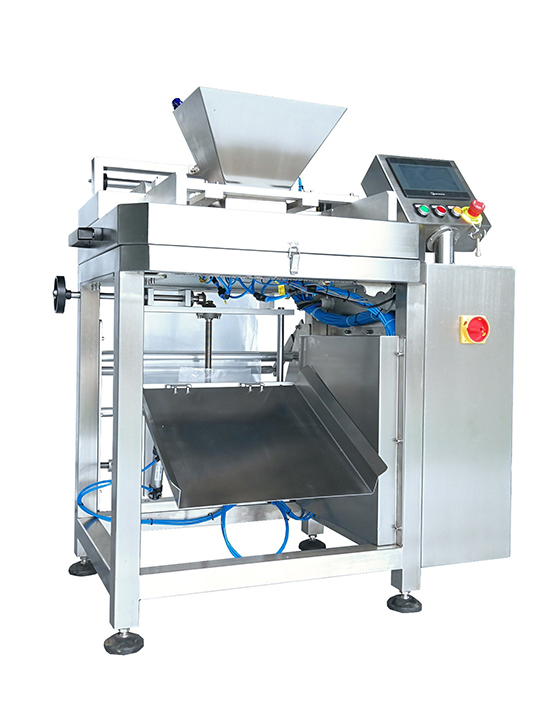
 Automatic Premade Bag Powder Packing Machine for Stand-Up PouchesUses preformed stand-up or zipper bags with PLC control and automatic checks to combine powder filling and sealing in one cycle.View Product →
Ask for a sample run with your actual pouch and powder. A short trial reveals more about dust, seal contamination, and fill accuracy than a catalogue page.
Fine powders tend to escape at the fill mouth, so dust extraction, sealing jaw condition, and a well-designed forming shoulder matter. Cohesive powders may need agitation or a different hopper design. Granular or crystalline powders flow more easily but can settle unevenly in the bag. If the powder is hygroscopic, keep the product path dry and avoid long pauses with open film or open pouches.
Seal integrity deserves the same attention as fill weight. Powder on the seal area is a common cause of leaks. A good machine design reduces the chance of product falling onto the sealing zone, and a good operator checks seals at the start of each run. We also recommend keeping a simple log of fill weight, seal temperature, and bag appearance so changes are easy to spot.
Use this checklist when you request a quotation:
A short video of your current process, even a manual one, is often more useful than a long specification sheet. It shows how the powder behaves, how the bag is handled, and where the new line will fit.
| Machine format | Typical bag | Good fit | What to verify |
|---|---|---|---|
| Vertical form-fill-seal, three- or four-side seal | Flat sachet or small retail pack | Fine to free-flowing powders and sample packs | Fill accuracy at low weights and dust on the seal |
| Vertical form-fill-seal, back-side seal | Standard vertical bag | Everyday powders and larger fills | Bag tension and powder drop height |
| Premade pouch machine | Stand-up, zipper, or flat pouch | Retail shelf presence and shorter runs | Pouch opening and top seal contamination |
| Large vertical or servo system | Large bag or high-volume pack | Higher output and bulkier packs | Weighing or servo system and support structure |
| Semi-automatic filling with separate sealer | Simple bag or container | Trials and small batches | Operator consistency and sealing control |
The table is a starting point, not a specification. A sample test with your powder and bag will confirm the right filling principle, bag support, and sealing method.
Powder equipment lives in a dusty environment, so maintenance is part of the design brief. Easy access to the auger, hopper, sealing jaws, and film path reduces cleaning time and helps operators keep the line consistent. If you change powders often, ask how the hopper and screw can be cleaned and whether tooling can be swapped without special tools.
Training matters as much as hardware. Operators should know what a good seal looks like, how to check fill weight, and when to stop the line. A machine that is easy to understand is often more productive than a more complex one that is rarely set up correctly.
Choosing a powder packaging machine is a practical exercise in matching material, bag, output, and support. Start with the powder, test the bag, and ask for a trial that reflects your real product. If you would like a second opinion, share your powder details, bag sample, fill weight, and output target with our team. We can help you compare formats and narrow the options before you commit to a line.
You can also review our powder packaging machine range to see the main configurations side by side, then tell us which bag style is closest to your target.
Copyright © Soontrue Huihe Automation Equipment (Shanghai) Co.,LtdAll Rights Reserved. Custom Packaging Machinery Manufacturers