Content
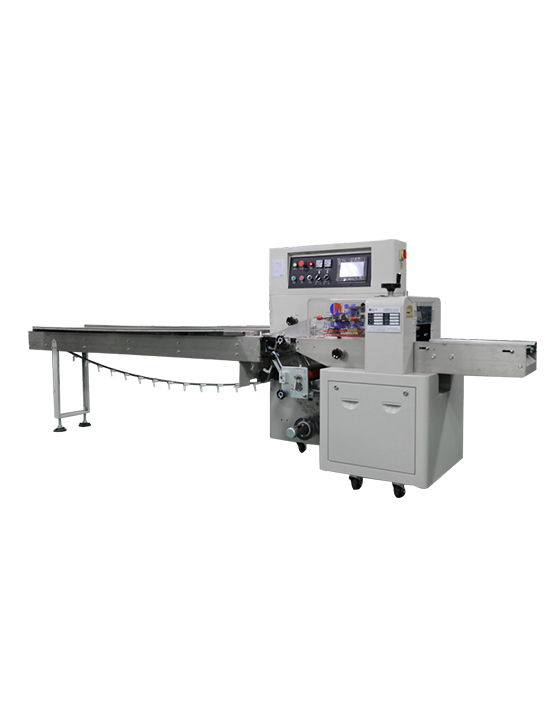
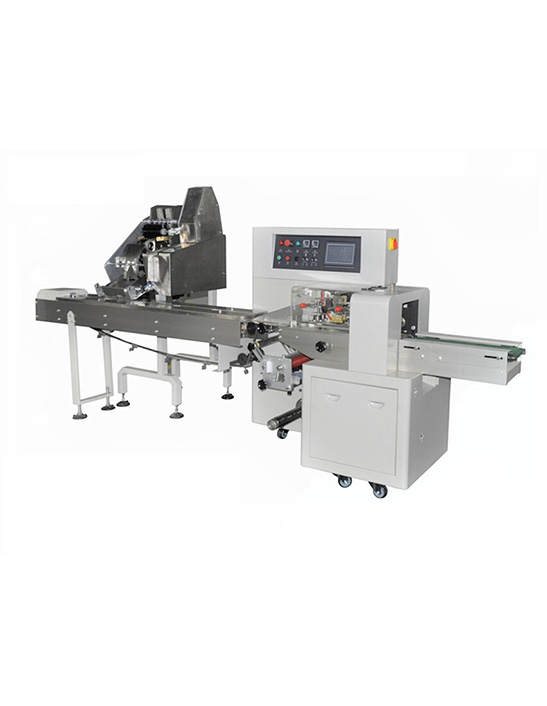
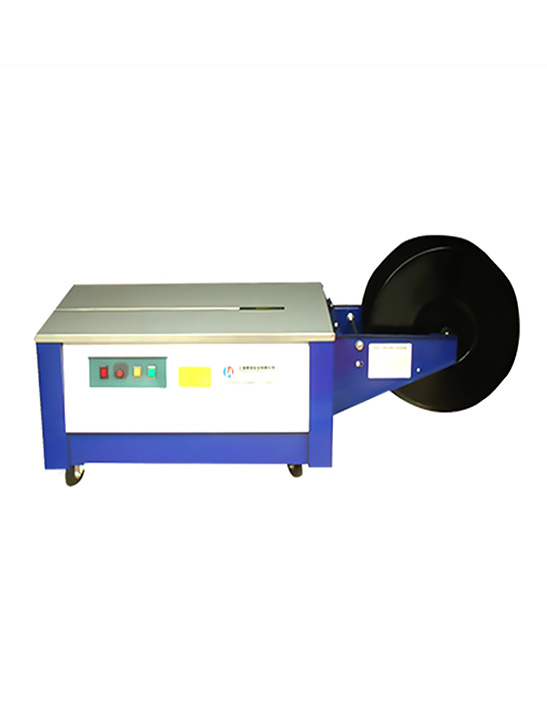
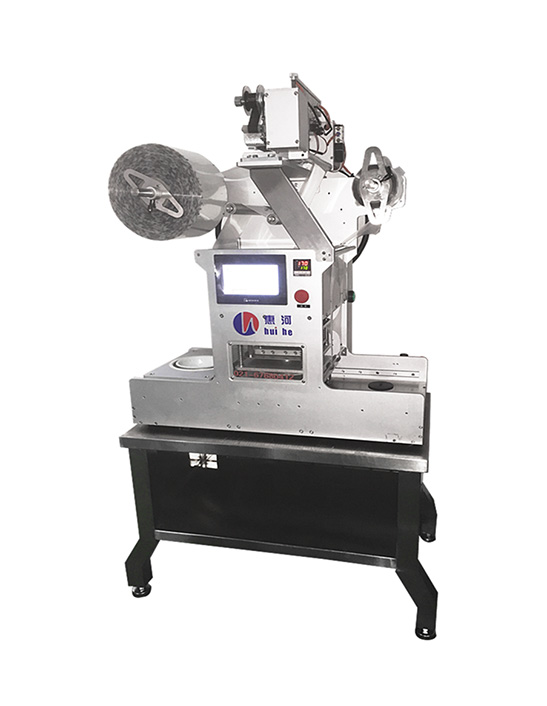
A sponge packing machine is industrial equipment designed to compress, wrap, and seal sponge products such as cleaning sponges, foam mattresses, cushions, and packaging inserts. Because sponges are lightweight but bulky, packing them efficiently requires machinery that can reduce their volume through compression while maintaining product shape and quality once unpacked. These machines are widely used in factories that manufacture household sponges, industrial foam, mattress cores, and automotive cushioning materials.
Unlike standard packaging equipment, sponge packing machines are built to handle materials with high elasticity and low density. This means the compression mechanism, film wrapping system, and sealing components must be calibrated specifically for foam and sponge products to avoid tearing, uneven compression, or packaging failure during storage and transport.
The core function of a sponge packing machine revolves around three main stages: compression, wrapping, and sealing. Understanding each stage helps buyers evaluate which machine configuration best fits their production needs.
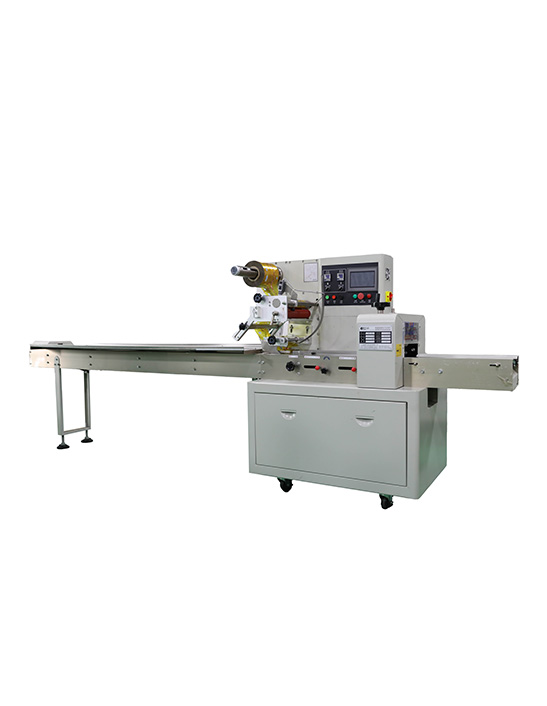
Sponges are fed into a compression chamber where mechanical rollers or pneumatic plates squeeze the material to a fraction of its original size. This step is essential for reducing shipping volume and storage space. The compression ratio can typically be adjusted depending on the density and thickness of the sponge, allowing manufacturers to fine-tune output for different product lines.
Once compressed, the sponge is fed through a wrapping mechanism that applies plastic film or packaging material around it while it remains under pressure. This keeps the sponge compact until the customer removes the packaging, at which point the foam expands back to its original shape. Many machines use heat-sealed polyethylene film for durability and moisture resistance.
After wrapping, the machine seals the film edges using heat sealing bars and cuts each package to a standardized length. Some advanced models integrate date coding, barcode printing, or labeling directly into this stage, streamlining the packaging process into a single continuous line.
Different production environments call for different machine configurations. The table below outlines common types of sponge packing machines and their typical applications.
| Machine Type | Best Suited For | Key Advantage |
| Manual Compression Packer | Small workshops, low volume | Low equipment cost |
| Semi-Automatic Sponge Packer | Mid-size factories | Balance of speed and control |
| Fully Automatic Sponge Packer | Large-scale production lines | High throughput and consistency |
| Vacuum Compression Packer | Dense foam and mattress cores | Maximum volume reduction |
| Roll Packing Machine | Sponge rolls and sheets | Handles continuous roll formats |
Choosing the right sponge packing machine involves evaluating several technical and operational factors beyond just price. Businesses should consider how the machine fits into their existing production workflow and future growth plans.
Investing in dedicated sponge packing equipment offers measurable operational advantages over manual packing methods. Reduced labor requirements are one of the most immediate benefits, as automated or semi-automated machines can process far more units per hour than manual packing teams while maintaining consistent compression levels across every unit.
Storage and shipping costs also decrease significantly because compressed sponge packaging occupies a fraction of the space required for uncompressed products. This allows manufacturers to fit more inventory into warehouses and shipping containers, directly lowering logistics expenses. Additionally, consistent film wrapping protects sponge products from dust, moisture, and contamination during storage and transit, which helps maintain product quality until it reaches the end user.
Even well-designed sponge packing machines can encounter operational issues if not properly maintained or calibrated. Recognizing these challenges early helps prevent production delays and material waste.
Regular maintenance schedules, including lubrication of moving parts and calibration checks on sealing bars, help minimize these issues and extend the operational lifespan of the equipment.
Selecting a sponge packing machine ultimately depends on your production volume, product variety, and budget constraints. Small businesses producing limited quantities may find manual or semi-automatic machines sufficient, offering lower upfront costs while still improving on fully manual packing methods. Larger manufacturers with high daily output typically benefit more from fully automatic systems that integrate compression, wrapping, sealing, and labeling into one continuous process.
It is also worth considering future scalability. A machine that accommodates a range of sponge sizes and densities offers more flexibility as product lines expand, reducing the need for additional equipment investment down the line. Consulting with equipment suppliers about your specific sponge dimensions, daily output targets, and packaging material preferences can help narrow down the most suitable machine configuration for your operation.

Copyright © Soontrue Huihe Automation Equipment (Shanghai) Co.,LtdAll Rights Reserved. Custom Packaging Machinery Manufacturers


 英语
英语 西班牙语
西班牙语 简体中文
简体中文