Content
A paste packing machine is designed to fill and seal viscous or semi-viscous products into containers with speed and consistency that manual filling simply cannot match. These machines handle products like toothpaste, cosmetic creams, sauces, adhesives, ointments, and food pastes, all of which present unique filling challenges due to their thickness and tendency to trap air bubbles. Unlike liquid filling machines, which rely primarily on gravity or simple pumps, paste packing machines use specialized pumping systems capable of pushing dense, sticky materials through nozzles without clogging or leaving air pockets in the final package. For manufacturers, investing in the right paste packing equipment directly affects production speed, product consistency, and how much material is wasted during the filling process.
Paste packing machines vary based on the filling mechanism they use, and choosing the right type depends heavily on the viscosity of the product and the packaging format required.
Piston fillers use a cylinder and piston mechanism to draw in a precise volume of paste and then push it out through a nozzle into the container. This method is highly accurate and works well for medium to thick pastes, making it a common choice for products like creams and sauces that require consistent fill volumes across every unit.
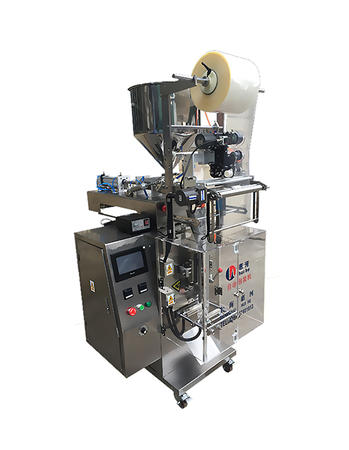
Auger fillers use a rotating screw to move paste-like material from a hopper into the container below. This type works particularly well for thicker, denser pastes that don't flow easily on their own, since the screw mechanism physically pushes the product forward rather than relying on suction or gravity.
Gear pump fillers use rotating gears to move product continuously through the filling head, offering a steady and consistent flow rate. These machines are often chosen for high-speed production lines where continuous filling, rather than a stop-start piston motion, improves overall throughput.
Different industries favor different filling mechanisms based on their product's specific characteristics. The table below outlines common applications for each machine type to help guide equipment selection.
| Machine Type | Best Suited Viscosity | Typical Products |
| Piston Filler | Medium to Thick | Creams, sauces, gels |
| Auger Filler | Thick and Dense | Peanut butter, thick ointments |
| Gear Pump Filler | Medium, Continuous Flow | Toothpaste, adhesives |
When evaluating equipment options, several features determine how well a machine will perform in a real production environment over time. Fill accuracy matters most for products sold by weight or volume, since inconsistent filling can lead to regulatory compliance issues or customer complaints. Nozzle design also plays a significant role, as anti-drip nozzles prevent product from leaking or stringing after each fill cycle, which keeps container exteriors clean and reduces waste. Ease of cleaning is another practical consideration, particularly for food and cosmetic applications where hygiene standards require frequent sanitization between product batches. Machines with tool-free disassembly for cleaning save significant labor time compared to designs requiring extensive breakdown.
Paste packing machines are available across a range of automation levels, and choosing the right level depends largely on production volume and available labor. Manual machines require an operator to place each container, trigger the fill cycle, and remove the filled unit, making them suitable for small businesses or low-volume specialty products. Semi-automatic machines handle the filling process automatically but still require manual placement and removal of containers, striking a balance between cost and speed for medium-sized operations. Fully automatic systems integrate container feeding, filling, capping, and often labeling into one continuous line, dramatically increasing throughput for large-scale manufacturers but requiring a higher upfront investment and more technical maintenance knowledge.
Selecting the right paste packing machine starts with a clear understanding of your product's viscosity, since a machine calibrated for thin cream may struggle with a dense, sticky paste, and vice versa. Consider your typical production volume as well, since investing in a fully automatic line makes little financial sense for a business only filling a few hundred units per day. Container compatibility is another important factor, as some machines are built specifically for tubes, others for jars, and some offer flexible fill heads that adjust to different container shapes and sizes. Finally, think about future growth: choosing a machine with some capacity for scaling, such as adjustable fill speeds or modular components, can save you from replacing equipment entirely as your production needs increase.
Regular maintenance extends the operational life of a paste packing machine and prevents costly downtime during production runs. Operators should clean filling nozzles and hoppers daily, particularly when switching between different products, to prevent cross-contamination and buildup that can clog the filling mechanism over time. Seals and gaskets should be inspected periodically for wear, since a failing seal can lead to leaks or inconsistent fill volumes that compromise product quality. Lubricating moving parts such as pistons, augers, or gear pumps according to the manufacturer's recommended schedule helps prevent premature wear and keeps the machine operating at its rated speed. Keeping a maintenance log that tracks cleaning, part replacements, and any performance issues also helps identify patterns before they turn into major equipment failures.
Copyright © Soontrue Huihe Automation Equipment (Shanghai) Co.,LtdAll Rights Reserved. Custom Packaging Machinery Manufacturers


 英语
英语 西班牙语
西班牙语 简体中文
简体中文