英语
英语 西班牙语
西班牙语 简体中文
简体中文Industry News
Home / News / Industry News / Horizontal Packaging Machine Guide: Types, Working Principle and Selection
Content
A horizontal packaging machine wraps products in a continuous flow of film, forming a pillow-style pouch around each item as it travels along a horizontal conveyor. If you have ever picked up a wrapped biscuit, a bag of frozen sweetcorn, a bar of soap or a bundle of paper straws, you have already met one of these machines. In food, pharmaceutical, chemical and hardware plants, horizontal flow wrappers and horizontal form-fill-seal systems are often the last piece of equipment a product touches before it reaches the carton.
We have spent more than a decade building and servicing packaging equipment, and the questions buyers ask are remarkably consistent: which motion type suits my product, how fast will it really run, and what happens when the seals leak? This guide answers those questions from a manufacturer's point of view, without the sales talk.
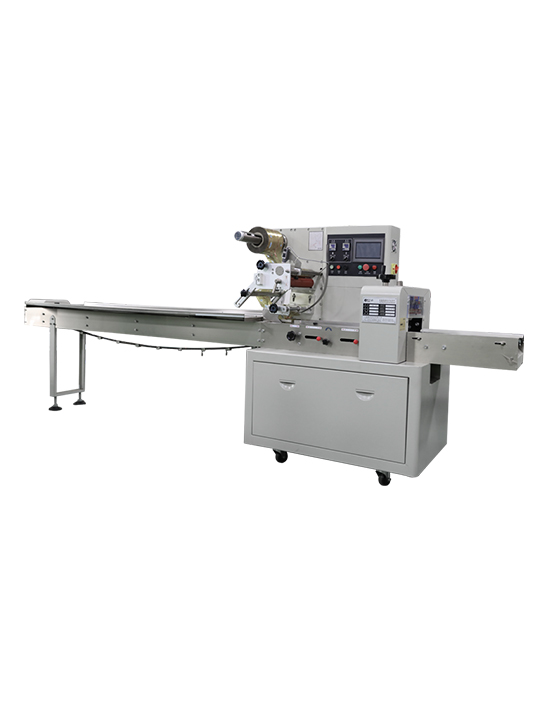
A horizontal packaging machine is an automatic wrapping system in which the film travels horizontally and the product is carried into position from the side or from above. Film is drawn from a reel, pulled over a forming shoulder that converts the flat web into a tube, and then closed by end sealers that crimp the leading and trailing edges. A knife separates the finished pack from the web, and the pack continues along the discharge conveyor.
This layout differs from a vertical form-fill-seal machine, in which the film tube hangs vertically and the product drops down into the bag. Horizontal machines are usually the better answer when the product is flat, long, fragile or irregular in shape, because the item can be supported and carried instead of being dropped through a dosing system.
Although models differ in speed and automation, the sequence inside the machine is essentially the same:
Timing is the variable that decides everything. The product must arrive in the gap between two sealing cycles, which is why feeding systems are usually engineered together with the wrapping machine rather than bolted on afterwards.
Horizontal wrappers are often grouped by their motion and by the direction the film approaches the product. The table below summarises what each family does well.
| Machine type | Motion and film position | Typical products | Practical note |
|---|---|---|---|
| Reciprocating pillow wrapper | Intermittent, up-film | Biscuits, soap, hardware | Simple and economical |
| Servo flow wrapper | Continuous, servo-driven | Bars, bread, frozen food | Highest output, gentle handling |
| Down-film machine | Film below the product | Loose or irregular items | Better support for unstable shapes |
| Up-film machine | Film above the product | Flat, regular items | Tight wrap on thin products |
| Wrapper with custom infeed | Continuous or intermittent | Whole chicken, sponges, straws | Feeding system does the hard work |
The choice between reciprocating and continuous motion usually comes down to target output and product fragility. A reciprocating machine stops and starts the film during sealing, which keeps the mechanism straightforward and the price reasonable. A servo-driven continuous machine keeps the film moving at all times, which raises output and reduces the mechanical shock that can damage soft products.
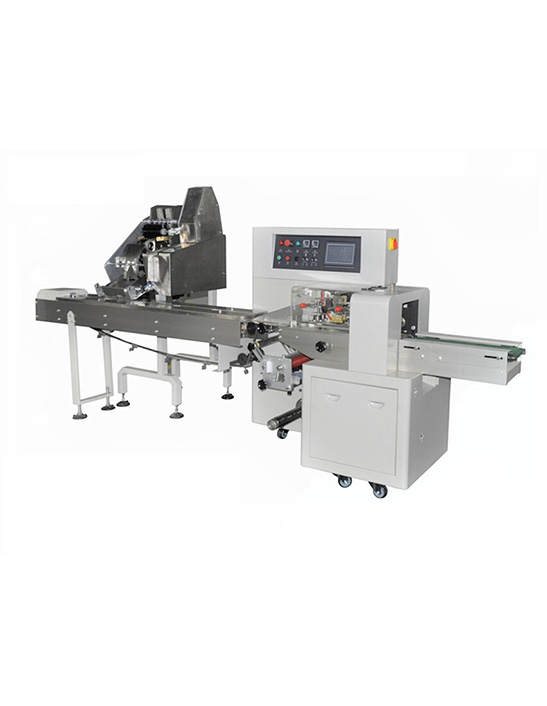
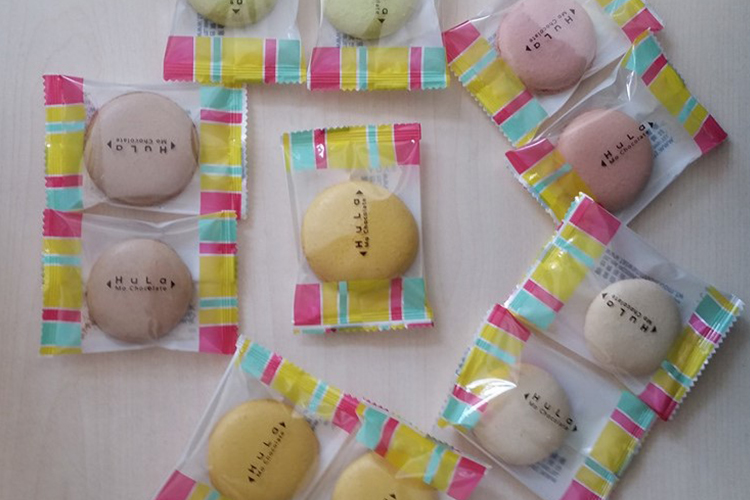 Automatic Servo Horizontal Packing Line60-190mm or 120-280mmView Product →
For buyers who need flexibility across several formats, a machine built around a servo line offers quick changeover and repeatable seal settings. Where volumes are moderate and the budget is tighter, a reciprocating pillow wrapper remains a dependable workhorse.
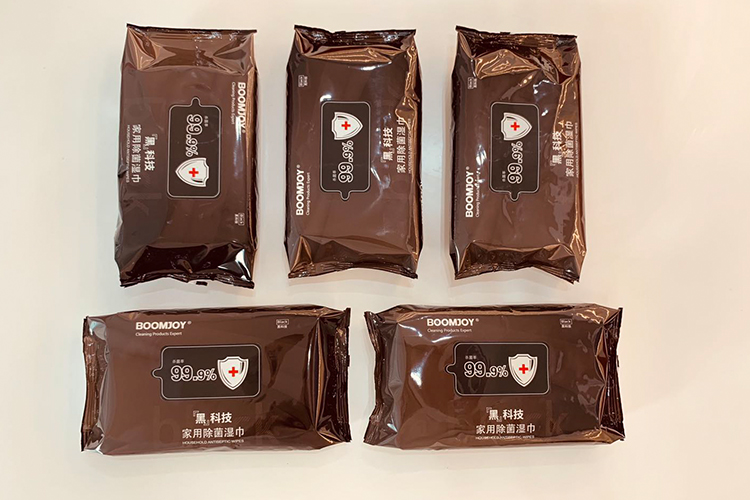 DF-350W Reciprocating Pillow Packing Machine(L)3760×(W)810×(H)1450View Product →
Guide rollers, tension dancers and the forming shoulder determine whether the film runs true or wrinkles at the seam. A forming box sized incorrectly for the product leaves the pack loose at one end and tight at the other, which shows up later as leaking seals.
End sealers combine temperature, pressure and dwell time. Heat sealing is the usual method for laminated films; some films need additional cooling jaws so the seam sets before the knife cuts. A worn or contaminated sealing jaw is the single most common cause of weak seals in daily production.
Servo drives allow independent control of film speed and jaw movement, which makes it possible to match narrow pitch settings and handle delicate items. Mechanical machines rely on cams and gears, and they reward regular lubrication with years of steady service.
The product always writes the specification. Fresh vegetables such as peppers and cucumbers need a gentle three-servo wrapper with an aligned infeed, so the produce is not bruised before it is even sealed. Poultry is a different problem entirely: a whole chicken is heavy, wet and irregular, so the wrapper needs a robust flow-wrapping section and a feeding system that presents the bird correctly every cycle.
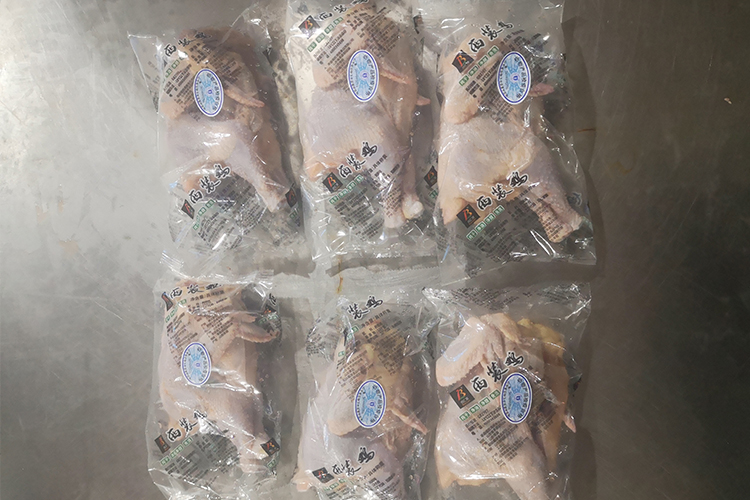 HP-600XD Whole Chicken Flow Packing MachineL:120-450mm W:100-280mmView Product →
Foam and sponge blocks are compressible, so the sealing cycle has to allow for recovery of the material after the jaws release. Pencils and paper straws are rigid and light, which makes automatic feeding the real engineering challenge rather than the wrapping itself. In each case, the honest question is not which machine is fastest, but which combination of wrapper and infeed delivers a consistent pack hour after hour.
Buyers rarely recover the investment through speed alone. The payback usually comes from three quieter sources: labour that moves to other tasks, film consumption that drops once the web width is matched properly to the product, and fewer rejected packs because the seal is consistent. Changeover time matters just as much on lines that run several sizes a day, which is why quick-release forming parts and stored recipes are worth paying for.
If you want to compare the practical benefits in more detail, our overview of the advantages of horizontal flow packaging machines walks through the same points from a production manager's perspective.
Before you request a quotation, work through these points with your team. The answers will narrow the field faster than any brochure.
Horizontal wrappers are forgiving machines, but they respond to routine attention. Clean the sealing jaws at the end of every shift, check film tension at the start of each batch, and confirm that the photocell still reads the registration mark accurately. Lubricate moving parts on the schedule in the manual, and replace worn cutting blades before they start tearing film instead of slicing it. Most breakdowns we are called to investigate trace back to one of these small habits that lapsed unnoticed.
A horizontal packaging machine is not a commodity bought once and forgotten. It is a production asset whose value depends on how well it was specified, how carefully it was installed, and how consistently it is maintained. Get those three things right and the machine will quietly earn its place on your line for many years.
As a packaging machinery manufacturer with factories in Shanghai, Guangdong and Hebei and service offices in the United States, Thailand, Bangladesh, India and Japan, we support customers from product selection and budget planning through to installation, training and maintenance. Tell us what you pack and how fast you need to pack it, and we will help you find the configuration that genuinely fits.
Copyright © Soontrue Huihe Automation Equipment (Shanghai) Co.,LtdAll Rights Reserved. Custom Packaging Machinery Manufacturers