英语
英语 西班牙语
西班牙语 简体中文
简体中文Industry News
Home / News / Industry News / Hardware Packaging Machine Guide for Screws, Bolts and Small Metal Parts
Content
A hardware packaging machine takes loose fasteners straight from a bin, counts them and seals the exact quantity into a bag. It sounds like a simple job until you try it by hand: counts drift, bags come out light, and a short pack leaves the factory as a complaint instead of a sale. We have been building counting and bagging systems for hardware producers since 2006, and the questions buyers ask have barely changed. Will it count accurately? Will it run at the speed we need? Will it handle the next screw size we add to our catalogue?
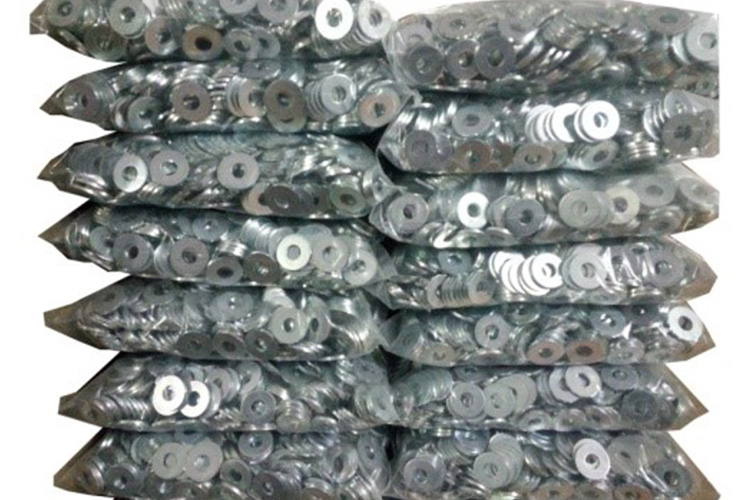
The hardware family is wider than most buyers expect. Wood screws, machine screws, self-tapping screws, nuts, washers, bolts, rivets, wall anchors, springs, hinges, brackets, terminals, cable clips and assorted fittings all end up either in retail packs or in industrial bulk bags. Parts reach the machine bright and oiled from a plating line, dusty from deburring, or slightly tangled after barrel finishing. The same counting logic also serves non-metal items such as toothpicks, plastic plugs and small moulded components, because the underlying problem is identical: singulating small pieces and counting them reliably before they fall into a bag.
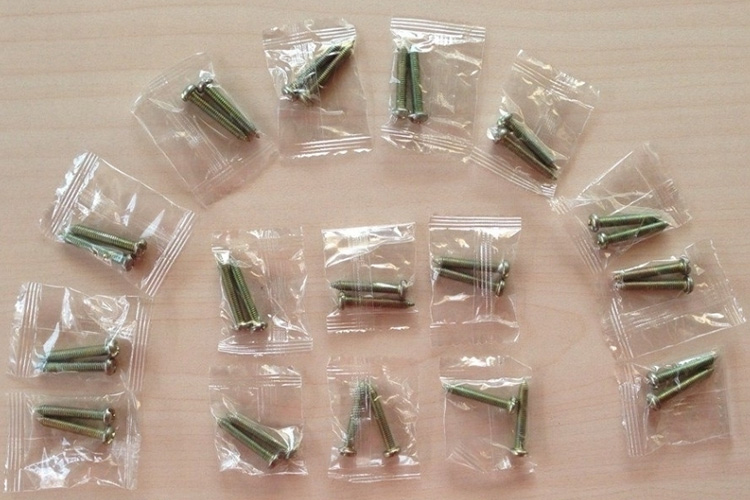
Filling machines measure volume or weight. Hardware packing machines have to measure quantity, because the number printed on the label is a promise. Weighing is only a rough proxy: piece weight shifts between production lots, and plating can add a few percent to every single part. A good machine therefore separates individual parts first. A vibrating tray spreads them into a single-file stream, an optical or fibre sensor counts each piece as it passes, and the stream is cut off the instant the target count is reached.
Static, oil film and tiny burrs are the three enemies of reliable feeding, which is why tray geometry, vibrator amplitude and air assistance matter far more than the size of the hopper. Changeover is equally practical: a different screw length usually means a different tray insert or channel width. Machines with quick-release tooling pay for themselves quickly in a workshop that runs a mixed order book.
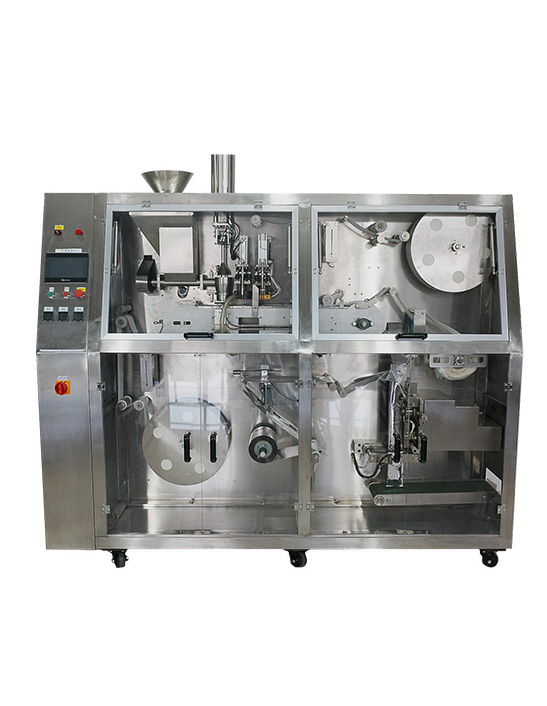
 DXDLS-300 Screw Counting and Packing Machine with Vibrating Tray1-N pcs/bag (depends on the bag size)View Product →
Hardware parts differ so much in size, shape and sales format that no single machine covers everything. In practice, five configurations handle the majority of hardware bagging work.
| Configuration | Typical Parts | Bag or Pack Format | Where It Fits |
|---|---|---|---|
| Vibrating tray counting machine | Screws, nuts, washers up to about 50 mm | Three-side or four-side seal pouch from roll film | Small and mid-size orders handled by one operator |
| Large vertical counting machine | Longer screws, bolts, mixed lengths | Back-seal or pillow bag from PE or laminated film | Higher counts per bag on continuous production |
| Premade pouch machine | Fittings, hinges, anchors sold at retail | Zipper, stand-up or flat premade pouches | Retail presentation with frequent size changes |
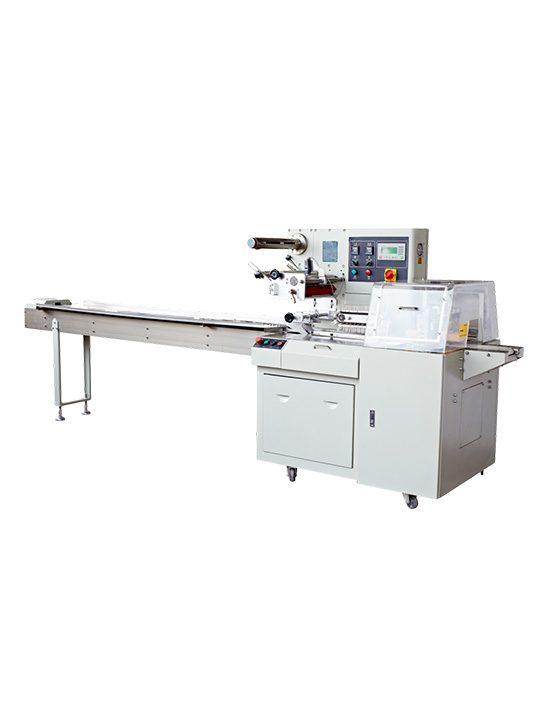
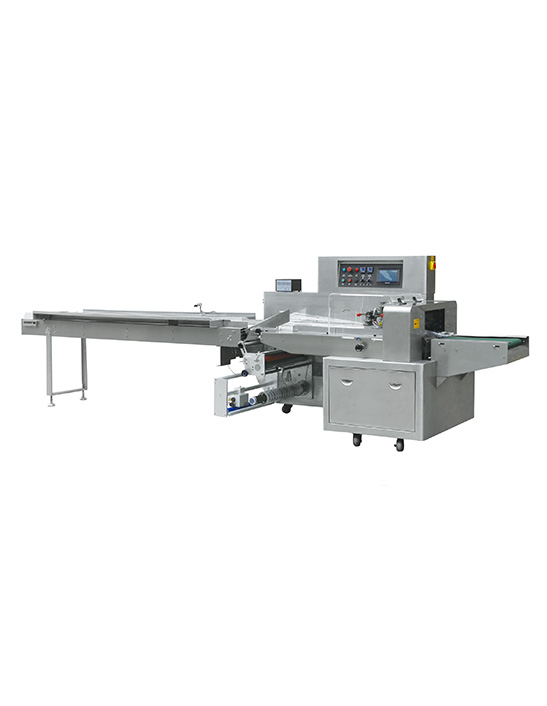
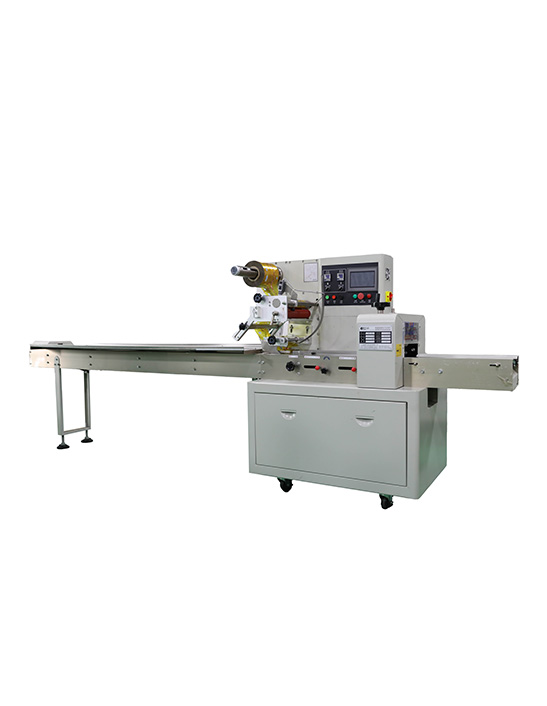
| Horizontal flow wrapper | Blister cards, packed hinges, longer hardware | Pillow pack from laminated film | Parts that cannot be dropped through a forming tube |
| Semi-automatic sealer | Low volume, trial batches, repair kits | Ready-made bags, filled by hand | Minimum investment with a flexible weekly mix |
Where output targets climb above a few thousand bags per shift, the counting head is usually multiplied rather than pushed harder. Two or four vibrating trays feeding one bagging frame give a steadier rhythm and let you blend lengths in a mixed kit.
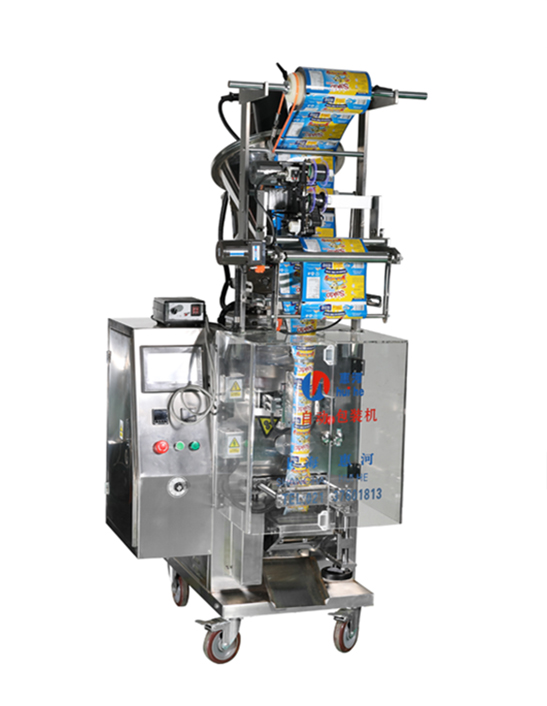
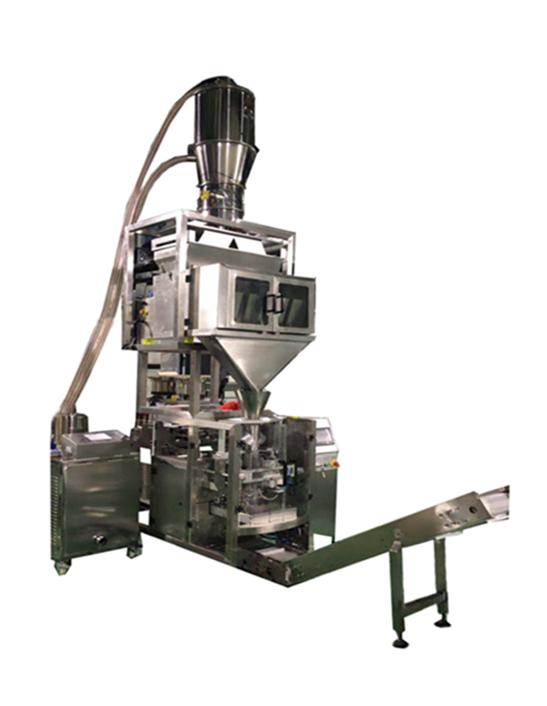
 XDLS-420 Automatic Large Vertical Counting and Packing Machinegranule products, hardware, small plastic parts, fastener etc.View Product →
Film choice is decided by the shelf, not by the machine. Bulk trade packs usually run on PE or thin laminated roll film, where the priority is a strong seal and a low cost per bag. Retail hardware needs print, tear notches, a euro slot or a clear window, and that usually points to laminated film on a roll or to premade pouches. Premade pouches cost more per unit, but they give better presentation, faster size changeover and a clean zipper or stand-up base, which matters when one line packs several product references in a week. Pouch style deserves a little homework before you buy, because flat, stand-up, zipper and spout formats behave differently on the same filling frame; we usually walk customers through a short bag-type overview before quoting.
For more on that comparison, see our notes on the main types of pouch packaging machines.
A counting machine is rarely the whole line. Most hardware producers still need a label, a carton and a pallet at the end of the shift. Labeling machines apply barcodes and batch codes, carton sealing machines close the shipping case, shrink packing machines wrap multi-packs of hinges or brackets, and robotic case erecting and palletizing units take over the heaviest end of the day. Because a filled bag is soft and irregular, the handover from bagger to carton is where lines lose speed. Plan that transfer point early, with a buffer conveyor or a simple accumulation table, and the whole line keeps its rhythm instead of stalling every few minutes.
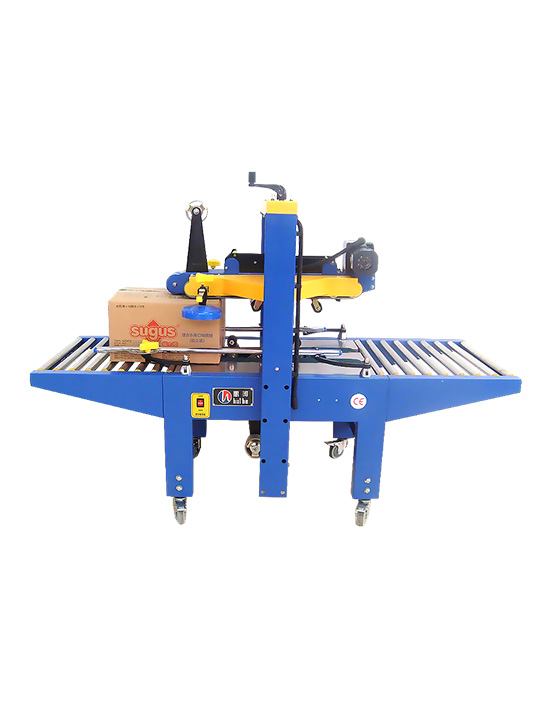 FJ-6050 Carton Sealing MachineWorking Table HeightView Product →
Before you ask for a quotation, write down the answers to these questions. They decide the configuration faster than any brochure can.
Answer those seven points honestly and the shortlist usually narrows to one or two models. Guessing on count tolerance or ignoring changeover time is where most disappointing purchases begin.
Every machine we ship is quoted with the same package: selection advice, cost budgeting, technical support, manufacturing, installation and commissioning, operator training and ongoing maintenance. That is not a marketing flourish; it is what hardware producers actually ask for. Most plants buying their first counting machine have no in-house packaging engineer, so the supplier has to fill that role at the start. Training normally takes one or two days on site, and we recommend keeping a small set of spare trays, sensors and sealing jaws on the shelf, because a two-day wait for a spare part costs far more than the part itself. With factories in Shanghai, Guangdong and Hebei, and offices in the United States, Thailand, Bangladesh, India and Japan, we look after customers across more than eighty export markets.
Choosing a hardware packaging machine comes down to three things: a counting method that suits your parts, a bag format that suits your customer, and a supplier who will still answer the phone two years after delivery. If you can describe the part, the count and the pack, we can usually tell you within a short conversation which configuration fits and where the risk lies. Send us a sample and a target output, and we will run the numbers with you.
Copyright © Soontrue Huihe Automation Equipment (Shanghai) Co.,LtdAll Rights Reserved. Custom Packaging Machinery Manufacturers