英语
英语 西班牙语
西班牙语 简体中文
简体中文Industry News
Home / News / Industry News / Liquid Packaging Machine Guide: Types, Working Principles, and Selection Tips
Content
A liquid packaging machine is an automated system that forms, fills, and seals packages for liquid and semi-liquid products. It handles water, juice, milk, edible oil, sauces, ketchup, honey, shampoo, lotion, detergents, and oral liquids. Unlike dry product packaging, liquid packaging must manage viscosity, aeration, dripping, and seal integrity. A well-designed machine keeps filling accurate, reduces waste, and protects shelf life.
These machines produce sachets, stick packs, pillow bags, three-side or four-side seal pouches, back-seal bags, stand-up pouches, spouted pouches, bottle-shaped pouches, cups, and bottles. At Soontrue Huihe, we have served packaging machinery customers since 2006, with solutions from semi-automatic fillers to fully automatic liquid packaging lines.
Most flexible liquid packaging machines follow a similar sequence: film is unwound, a bag is formed around a tube or a premade pouch is opened, the fill nozzle doses product, seal jaws close the pack, and a cutter separates finished units. Optional devices add date printing, tear notches, hole punching, or nitrogen flushing.
The heart of the process is the filling system. Its job is to deliver the same volume or weight into every package without dripping, foaming, or contaminating the seal area. The right choice depends on product viscosity, density, particle content, temperature, and required output.
| Filling Principle | How It Works | Best Suited For | Typical Characteristics |
|---|---|---|---|
| Gravity | Product flows by gravity through a nozzle or valve. | Water, juice, low-viscosity liquids | Simple, economical, slower for viscous products |
| Piston | A piston stroke measures a fixed volume. | Sauces, pastes, honey, ketchup | Accurate for consistent viscosity, good for larger volumes |
| Pump | Gear, lobe, or progressive cavity pump meters flow. | Medium to high viscosity, shear-sensitive products | Smooth handling, gentle on product structure |
| Flowmeter | Electromagnetic or mass flow meter measures volume or mass. | Milk, juice, water, low-viscosity liquids | Fast, flexible, higher initial cost |
| Net-weight | Load cells weigh the filled package. | High-value or variable-density liquids | High accuracy, moderate speed |
After filling, seal quality is critical. Product residue, wrong temperature, or uneven pressure can create leaks. Clean nozzles, aligned jaws, and daily checks matter as much as filling accuracy.
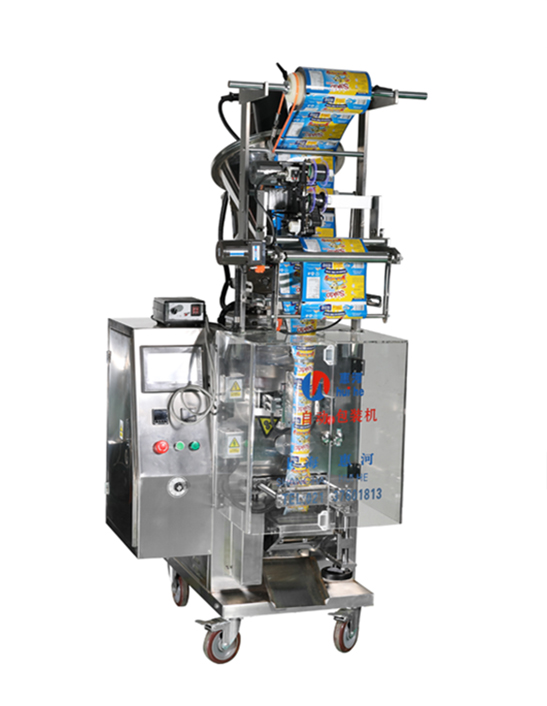
VFFS machines form a bag from roll film, fill it, and seal it in one continuous cycle. They are widely used for sauces, edible oil, milk, and liquid detergent. Common bag styles include pillow bags, three-side seal pouches, four-side seal pouches, and back-seal bags.
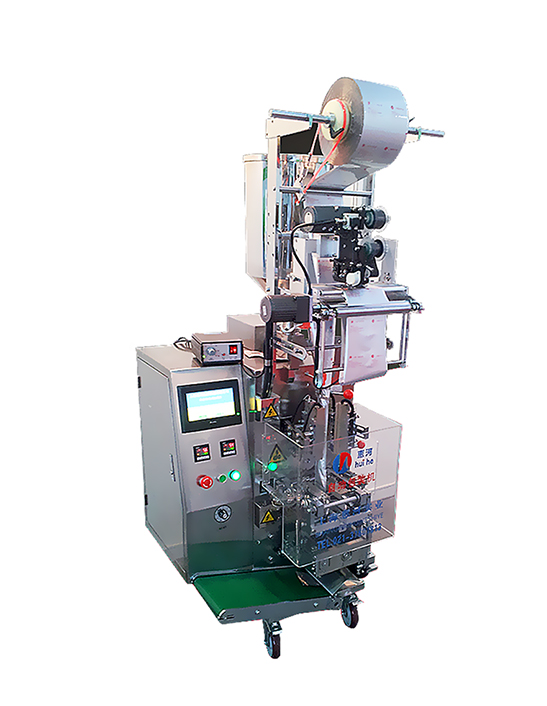
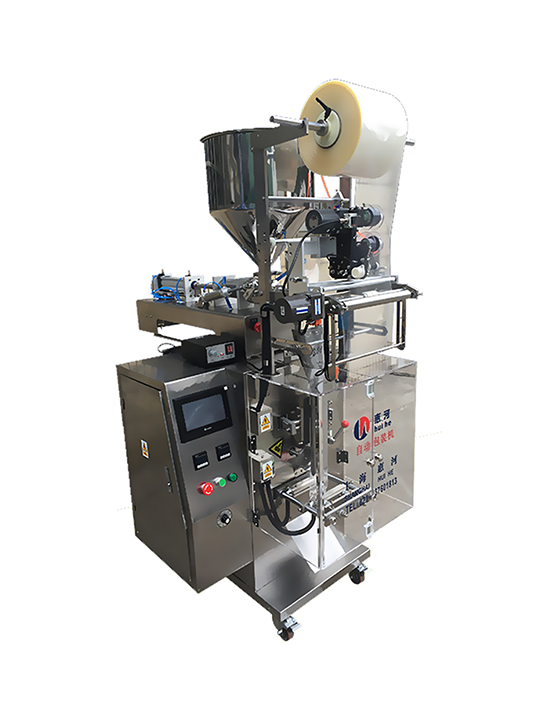
Sachet machines produce small single-serve packs for ketchup, honey, shampoo, and liquid medicine. Multi-lane stick pack machines can run four to twelve lanes. They need precise low-volume dosing, clean cut-off, and reliable sealing. For these formats, an automatic liquid paste packing machine with three-side or four-side seal can be paired with a piston pump or servo-driven filler.
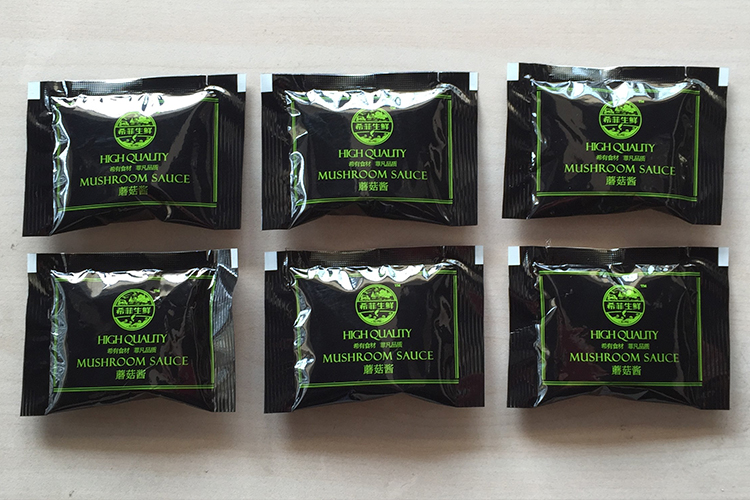 Automatic Liquid Paste Packing Machine with 3 or 4 Sides SealCan finish the function of bag making, measuring, filling, sealing, cutting and counting.View Product →
Premade pouch machines handle stand-up pouches, zipper bags, spouted pouches, and flat pouches. The pouch is picked, opened, filled, and sealed with high positional accuracy. They are ideal for premium products, larger fill volumes, and retail-ready packs.
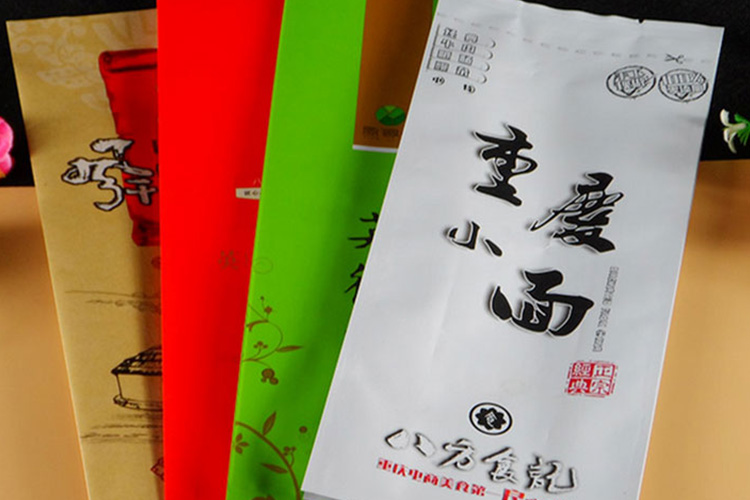 Automatic Premade Bag Liquid Paste Packing MachineSpecification of HP Series Host Machine:View Product →
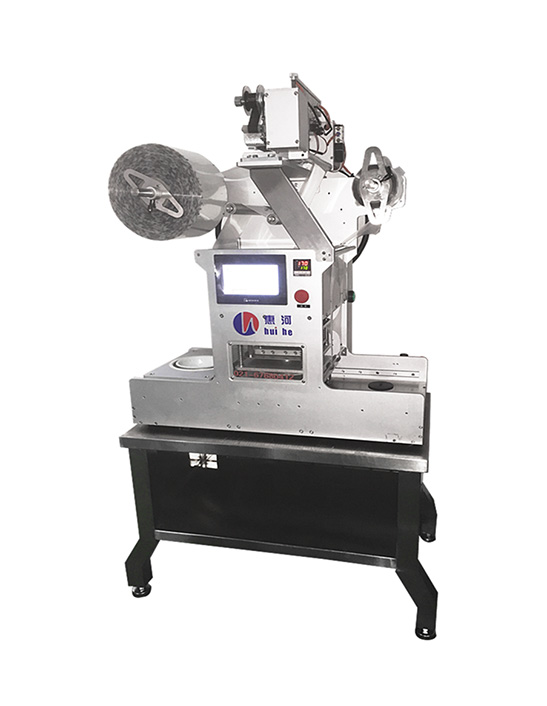
For bottles and cups, liquid packaging may combine filling, capping, sealing, labeling, and cartoning. Large vertical machines handle bigger pouches and higher output. To see more of the packaging machinery we build, explore our full range.
Selecting a machine is not only about speed. It is about matching the equipment to the product, package, production environment, and operators. A careful early review prevents costly changes later.
Low-viscosity liquids such as water, juice, and milk usually work well with gravity, flowmeter, or net-weight filling. Sauces, jams, honey, and creams need piston or pump filling. Products with particles require larger ports and gentle handling. Foaming liquids may need anti-foam nozzles or bottom-up filling.
Determine the bag or container type first. A sachet line, stick pack line, VFFS machine, premade pouch machine, and bottle filling line are different platforms. Set realistic output targets in packs per minute, and allow time for changeover and cleaning. If you plan to pack spouted pouches, our guide on how to fill the liquid spout bag explains the steps.
Food, pharmaceutical, and cosmetic products demand hygienic construction and easy cleaning. Quick-release nozzles, tool-free change parts, and washdown-ready components reduce downtime. Confirm that the supplier provides installation, training, spare parts, and technical support.
Liquid packaging machines serve many sectors. In food and beverage, they pack juices, milk, yogurt drinks, sauces, ketchup, honey, edible oil, and condiments. In pharmaceuticals, they fill oral liquids, syrups, and sanitizers. In cosmetics and daily chemicals, they handle shampoo, lotion, body wash, and detergent. In agriculture, they package liquid fertilizers and pesticides.
Pack shape often follows the market. Single-serve sachets suit food service. Stand-up pouches give shelf presence. Spouted pouches offer easy pouring. Bottle-shaped pouches combine a bottle look with pouch flexibility. For beverages and liquid foods that need this format, a dedicated bottle-shape pouch machine can create a stable, shelf-ready pack.
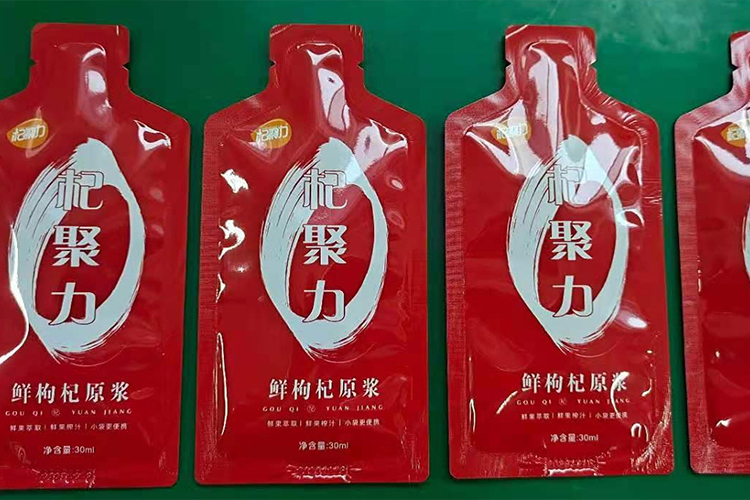 HJD-Y50Y Bottle Shape Pouch Automatic Packaging MachinePLC controller and display select Omron with high reliability, high stability and extremely low failure rateView Product →
Liquid packaging machines reward good daily habits. Check nozzles, seal jaws, film tension, and the filling system at each shift start. Wipe away product residue before it dries. Flush product lines with clean water or a suitable cleaning solution after production. Confirm seal strength with a peel or burst test, and record the results.
On a weekly or monthly schedule, inspect seals, O-rings, belts, and cutting blades. Lubricate moving parts according to the manual. Calibrate filling volumes or weights after a recipe change. Keep a spare-parts kit with seal jaws, heating elements, nozzles, O-rings, and film rollers. A simple log of settings for each product makes changeovers faster and more repeatable.
Most flowable products, including water, juice, milk, oil, sauce, honey, syrup, shampoo, detergent, and liquid chemicals. The key is a compatible filling system, nozzle, and film or container.
Piston filling is often best for consistent, viscous products such as sauces and pastes. Pump filling is better for shear-sensitive or variable-viscosity products. Sample testing is the safest way to decide.
Speed depends on fill volume, viscosity, film type, sealing time, and the number of lanes. A high-speed rating may drop with a difficult product, so test with your own material.
Liquid packaging is a practical business. The best machine fits your product, runs reliably, and is supported by a team that understands production pressure. Soontrue Huihe has served packaging machinery customers since 2006, with manufacturing sites in Shanghai, Guangdong, and Hebei, and offices in the United States, Thailand, Bangladesh, India, and Japan. We support customers from product selection and cost budgeting to manufacturing, installation, training, and maintenance.
Whether you are starting a new line or improving an existing one, begin with a clear product sample, target pack style, and output goal. With the right filling principle, seal system, and service partner, a liquid packaging machine can become a dependable part of your production for years.
Copyright © Soontrue Huihe Automation Equipment (Shanghai) Co.,LtdAll Rights Reserved. Custom Packaging Machinery Manufacturers