Content
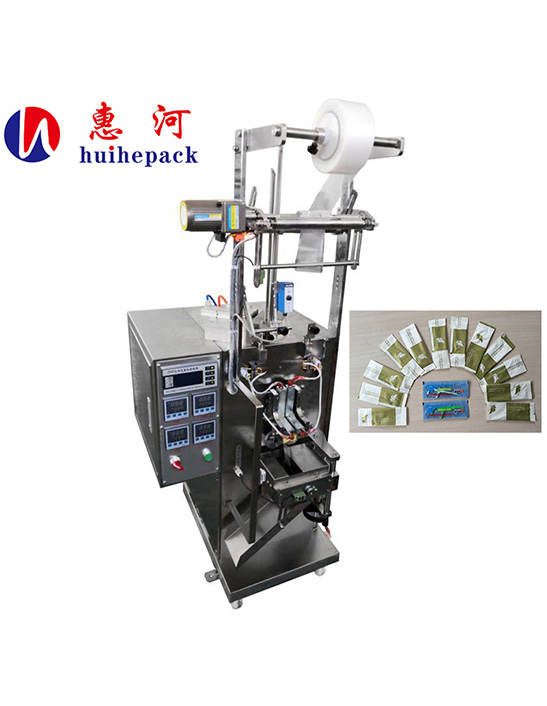
Liquid and paste packing machines have revolutionized packaging efficiency and consistency across multiple industries. These machines allow businesses to accurately fill bottles, tubes, sachets, or containers with liquid or paste products, reducing waste and improving productivity. This article explores which industries benefit the most from using liquid and paste packing machines and why they are essential in modern production lines.
The food and beverage sector is one of the largest users of liquid and paste packing machines. Products like sauces, syrups, dressings, honey, ketchup, yogurt, and beverages require precise filling to maintain consistency and hygiene.
In the pharmaceutical industry, liquid and paste packing machines are crucial for packaging syrups, ointments, gels, and creams. Accuracy and sterility are critical due to the sensitive nature of medicinal products.
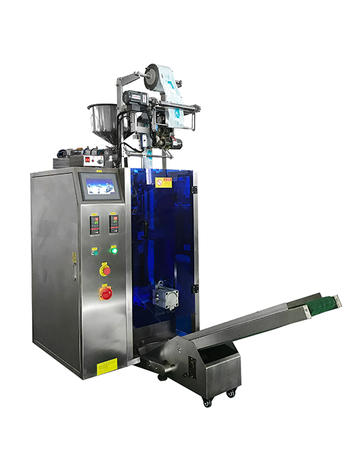
Cosmetics and personal care products, such as lotions, shampoos, conditioners, gels, creams, and toothpaste, require smooth, consistent filling without air bubbles or leaks. Liquid and paste packing machines enable high-quality packaging while preserving product integrity.
The chemical industry also relies heavily on liquid and paste packing machines for products like adhesives, paints, lubricants, and industrial gels. Accurate filling prevents hazardous spills and ensures product consistency.
Beyond the primary sectors mentioned, several other industries benefit from liquid and paste packing machines, including:
Liquid and paste packing machines provide precision, efficiency, and hygiene across multiple industries. Food and beverage, pharmaceuticals, cosmetics, and chemicals are the most significant beneficiaries, using these machines to maintain product quality, ensure safety, and optimize production. Their ability to handle a wide range of viscosities and packaging formats makes them essential equipment for modern manufacturing operations.
Copyright © Soontrue Huihe Automation Equipment (Shanghai) Co.,LtdAll Rights Reserved. Custom Packaging Machinery Manufacturers


 英语
英语 西班牙语
西班牙语 简体中文
简体中文